Burnham Unleashes Water Nationalization Push
Labour's Makerfield candidate sparks debate on public ownership
 HCP TEAM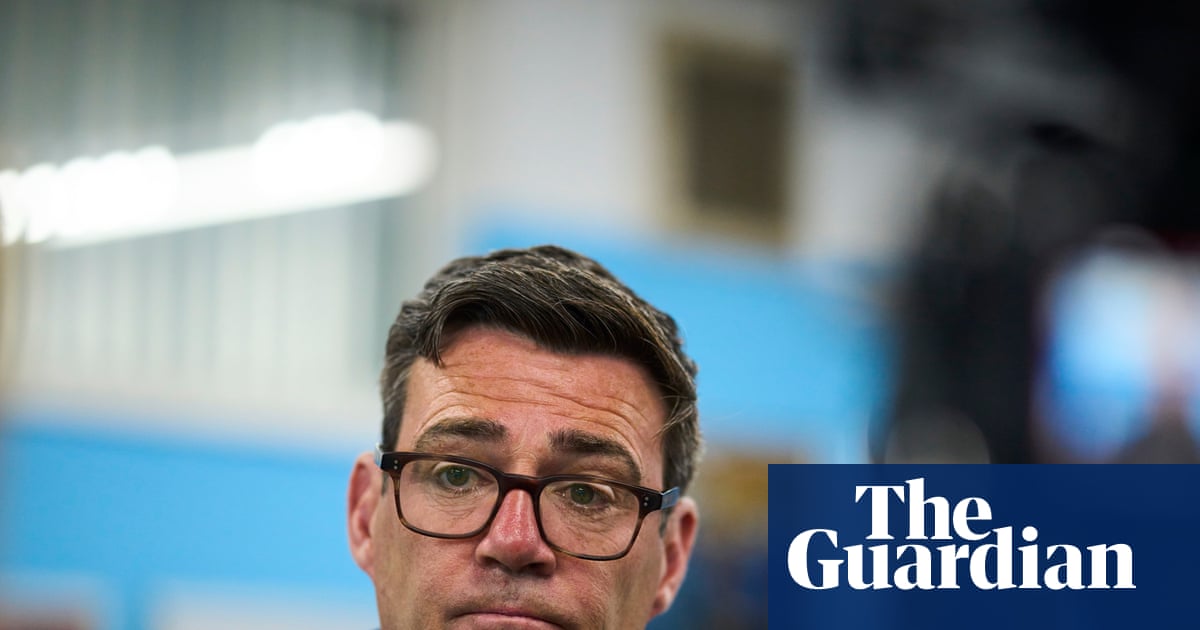
As the UK's water crisis deepens, a prominent Labour figure is throwing his weight behind a radical solution: nationalizing the industry's biggest players. Andy Burnham, Labour's candidate in the upcoming Makerfield byelection, is advocating for public ownership of water companies, citing the need for greater accountability and better services.
Background
The call for nationalization comes amidst growing concerns over the UK's water infrastructure, with many critics arguing that private companies have failed to invest adequately in the sector. Burnham's proposal is likely to resonate with voters who have grown frustrated with soaring bills, leaking pipes, and poor customer service.
Key Details
Burnham's plan would see the government take control of major water companies, including Thames Water, which has faced intense scrutiny over its handling of sewage spills and customer complaints. The move would require significant investment, but Burnham argues that it would pay off in the long run by reducing bills, improving services, and creating jobs.
Expert Context
Water industry experts warn that nationalization would be a complex and costly process, requiring significant upfront investment to purchase the companies and upgrade the infrastructure. However, they also acknowledge that the current system is broken, with private companies prioritizing profits over public interests.
Impact and Analysis
If Burnham's proposal gains traction, it could have far-reaching implications for the UK's water industry. Nationalization could lead to greater transparency, better regulation, and more investment in the sector. However, it could also lead to higher taxes, bureaucratic inefficiencies, and potential job losses.
As the debate unfolds, Burnham's leadership ambitions are likely to come under scrutiny. His stance on water nationalization may appeal to Labour's core voters, but it may also alienate moderates who prefer a more incremental approach to reform.
The UK's water crisis is a symptom of a broader problem: the failure of privatization to deliver on its promises. As the country grapples with the consequences of decades of underinvestment and neglect, Burnham's call for nationalization is a timely reminder that the status quo is no longer tenable.