Drones Decide Fate
AI-powered drones raise ethics concerns
 HCP TEAM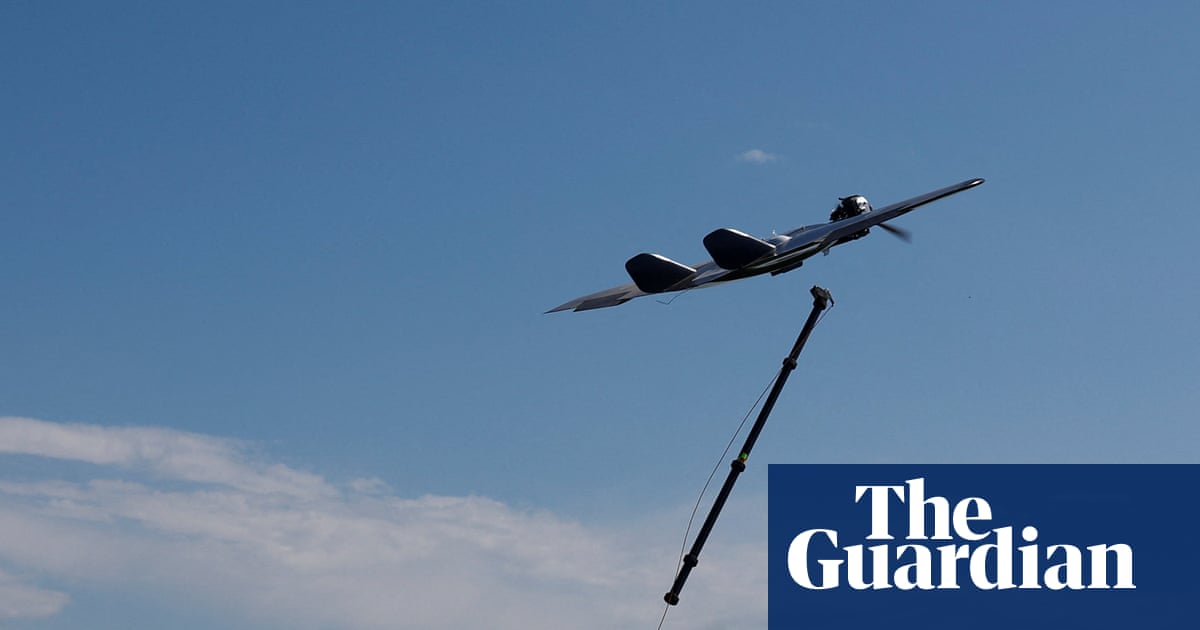
As militaries worldwide increasingly deploy autonomous drones, a pressing question emerges: can these AI-powered killing machines make moral decisions in the heat of battle?
Background
The use of drones in modern warfare is becoming more prevalent, with many countries investing heavily in the technology. However, as drones become more autonomous, the ethical implications of their actions are coming under scrutiny.
Experts warn that the development of autonomous drones raises a plethora of moral and ethical questions. For instance, can a drone be programmed to distinguish between combatants and non-combatants? Can it make decisions in situations where human life is at risk?
Key Details
Currently, most drones are operated remotely by human pilots, but the next generation of drones will be capable of making decisions independently. This has sparked concerns among human rights groups and experts, who argue that autonomous drones could potentially violate international humanitarian law.
Drone manufacturers are working to develop sophisticated algorithms that can enable drones to make moral decisions. However, the complexity of human morality makes it challenging to program a drone to make decisions that align with human values.
Expert Context
According to Dr. Mary Cummings, a leading expert on drone technology, 'the development of autonomous drones is a double-edged sword. On the one hand, it has the potential to reduce the risk of human casualties, but on the other hand, it raises significant ethical concerns.'
Dr. Cummings adds that 'the key to addressing these concerns is to develop a framework that ensures drones are programmed to align with human values and international humanitarian law.'
Impact/Analysis
The deployment of autonomous drones has significant implications for modern warfare. It could potentially reduce the risk of human casualties, but it also raises the risk of unintended consequences, such as civilian casualties.
Moreover, the use of autonomous drones could potentially lower the threshold for military intervention, as countries may be more willing to deploy drones than human soldiers. This could lead to a significant shift in the nature of modern warfare, with drones playing an increasingly prominent role.
As the use of autonomous drones becomes more prevalent, it is essential to address the ethical concerns surrounding their deployment. This requires a nuanced understanding of the complex moral and ethical implications of drone technology.