Tata Sierra, Curvv Lift Mid-Size SUV Sales to 28,129 Units in Q4 FY26, Nearly Tripling YoY
Tata Motors’ Sierra and Curvv drove mid-size SUV sales to 28,129 units in Q4 FY26, nearly tripling from 10,355 units a year earlier.
 HCP TEAM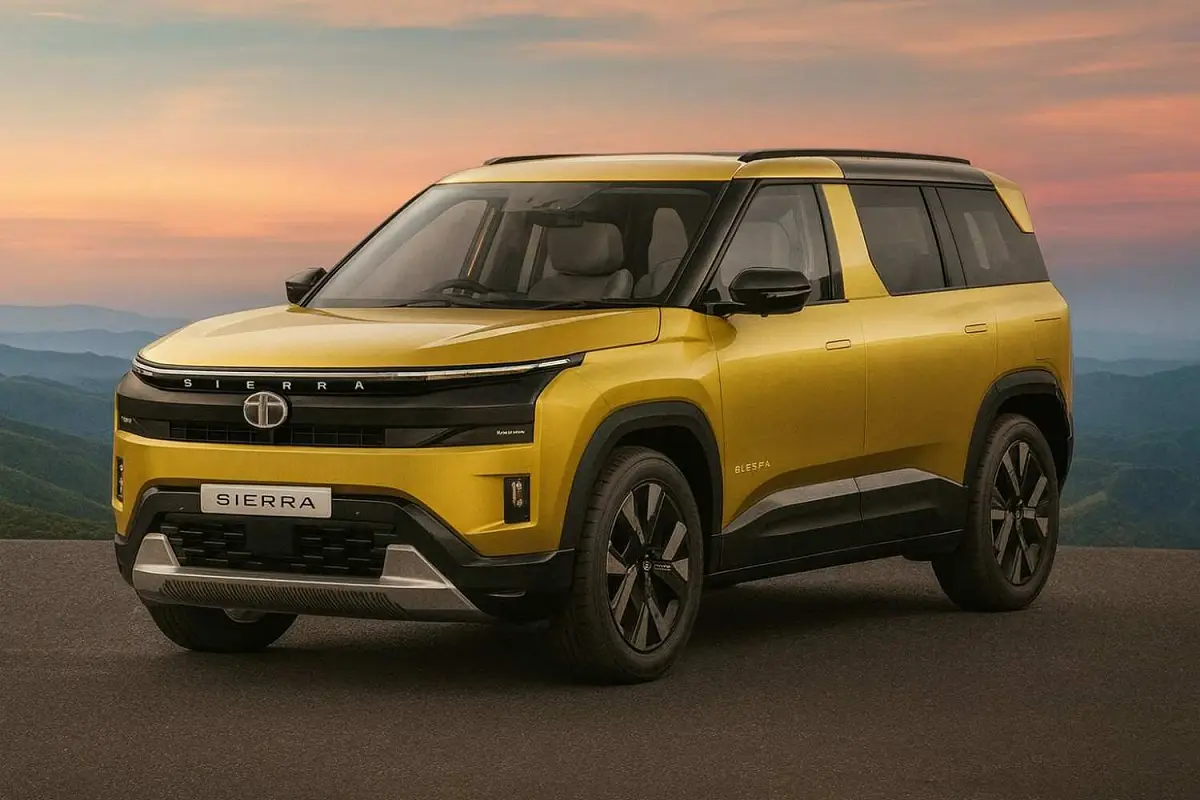
Tata Motors reported a sharp rise in mid-size SUV sales in India during the fourth quarter (January–March) of FY26, with volumes increasing to 28,129 units from 10,355 units in the same period last fiscal year, according to SIAM data. The growth was driven primarily by strong demand for the Sierra and Curvv models, which together accounted for over 14 per cent of the company’s total sales during the quarter.
Mid-Size SUV Volumes Nearly Triple YoY
The company’s mid-size SUV segment recorded a near threefold increase in Q4 FY26, reflecting a significant shift in Tata Motors’ product mix. The Sierra and Curvv emerged as key contributors, strengthening the automaker’s position in a segment that has become increasingly competitive. The sharp rise in volumes indicates growing traction for newer models within the company’s SUV portfolio.
Sierra Revival Gains Strong Market Response
The reintroduction of the Sierra, which was discontinued in 2003 and revived last year, has played a central role in driving growth. The model has crossed one lakh bookings, prompting the company to ramp up production to reduce waiting periods. Tata Motors delivered 14,000 units of the Sierra by March FY26, indicating strong early-stage demand for the revived nameplate.
Auto design expert Avik Chattopadhyay noted that the Sierra’s positioning offers a unique value proposition by combining larger dimensions and a higher feature package at a relatively lower price point, making it appealing to younger buyers. He also highlighted the design appeal of the model, particularly its styling and visual elements, as a contributing factor to its acceptance.
Strong Performance Across SUV Portfolio
Beyond the mid-size segment, Tata Motors reported robust performance across its SUV lineup. Sub-compact SUVs Nexon and Punch recorded 27 per cent year-on-year growth, with combined sales of 1,21,587 units in Q4 FY26 compared to 95,614 units in Q4 FY25. This growth underscores sustained demand in the entry and mid-level SUV categories.
In the larger SUV segment, Harrier and Safari together recorded sales of 15,188 units during the quarter. The performance across segments highlights the company’s increasing reliance on SUVs as a core growth driver within its passenger vehicle portfolio.
Hatchback Segment and Overall Portfolio Mix
Tata Motors’ hatchback portfolio, comprising Tiago, Tigor and Altroz, recorded sales of 33,839 units in Q4 FY26. While hatchbacks continue to contribute significantly to overall volumes, the faster growth in SUVs indicates a shift in consumer preference toward higher ground clearance vehicles with enhanced features and road presence.
Market Share and Competitive Position
For the full FY26, Tata Motors secured the third position in India’s passenger vehicle market with a 13.04 per cent market share. Rival Mahindra & Mahindra moved to second place with a 13.42 per cent share, supported by strong demand for its SUV portfolio, including Thar, Bolero, XUV700 and Scorpio-N.
The increasing contribution of models like Sierra and Curvv reflects Tata Motors’ strategy to strengthen its presence in the mid-size SUV segment, which continues to witness heightened competition from domestic and global manufacturers. The company’s ability to scale volumes in this segment indicates improved product-market fit and expanding consumer acceptance.
The Q4 FY26 performance underscores a broader trend in the Indian automotive market, where SUVs continue to dominate passenger vehicle sales. Tata Motors’ focus on expanding its SUV lineup, combined with the successful revival of legacy models, has positioned the company to capture incremental demand in a rapidly evolving market landscape.