Uncovering Deforestation's Deadly Toll
Tech's dark side: mineral mining fuels Ebola outbreaks
 HCP TEAM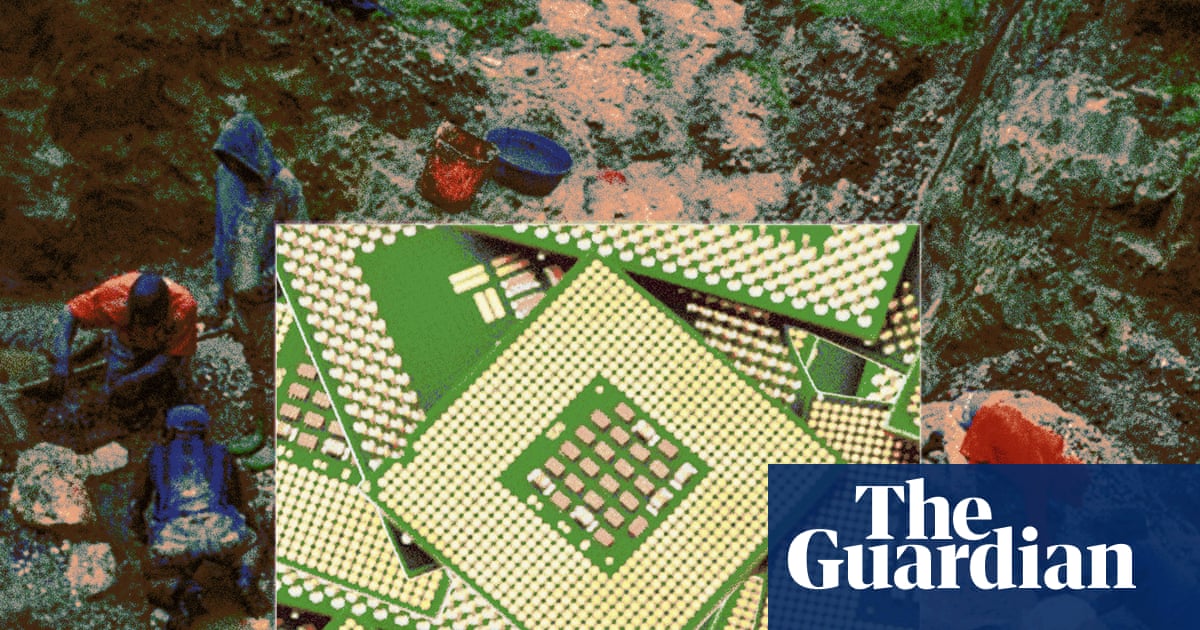
As the world grapples with the latest Ebola outbreak, a disturbing connection is emerging between the devastating disease and the smartphone in your pocket. The demand for minerals such as cobalt and gold, essential components of modern technology, is driving deforestation in the Congo basin at an alarming rate. This destruction of natural habitats is not only threatening the region's biodiversity but also increasing the risk of deadly Ebola outbreaks.
Background
The Congo basin, home to the second-largest tropical rainforest in the world, is facing unprecedented levels of deforestation. Mining operations, often unregulated and unchecked, are clearing vast swaths of land to access the rich mineral deposits beneath. The consequences of this destruction are far-reaching, with local ecosystems collapsing and indigenous communities displaced.
Key Details
Experts warn that the link between deforestation and Ebola is more than coincidental. As forests are cleared, the natural barriers that once contained the Ebola virus are broken down, allowing it to spread more easily to human populations. The virus, which is carried by fruit bats and other animals, can then be transmitted to humans through contact with infected animals or contaminated food and water.
Dr. Maria Rodriguez, a leading epidemiologist, emphasizes the urgent need for action: 'The situation is critical. We are seeing a perfect storm of factors coming together to create a humanitarian crisis. The rapid destruction of the Congo basin's forests is not only fueling the spread of Ebola but also exacerbating climate change and destroying local communities.'
Expert Context
According to Dr. John Taylor, a specialist in tropical diseases, the connection between deforestation and Ebola is rooted in the changing dynamics of the ecosystem. 'As forests are cleared, the balance of the ecosystem is disrupted, allowing disease-carrying animals to thrive. This, combined with the increased human activity in these areas, creates a recipe for disaster.'
Impact/Analysis
The implications of this crisis extend far beyond the Congo basin. The global demand for minerals such as cobalt and gold is driving the destruction of ecosystems around the world. As consumers, we are unwittingly contributing to this devastation every time we purchase a new smartphone or other electronic device.
The tech industry, while acknowledging the problem, is slow to respond. Companies such as Apple and Samsung are under increasing pressure to ensure that their supply chains are free from conflict minerals and environmentally unsustainable practices. However, the complexity of the issue and the lack of transparency in the industry make it difficult to track the origin of these minerals.
As the situation continues to unfold, one thing is clear: the time for action is now. Consumers, governments, and corporations must work together to address the root causes of this crisis and ensure that the production of modern technology does not come at the cost of human lives and the environment.