Lebanon Seeks IMF Support as Finance Minister Holds Key Washington Talks
Lebanon’s finance minister holds high-level talks with IMF, World Bank, and global partners to secure support for reforms, recovery, and investment.
 Tripti Srivastava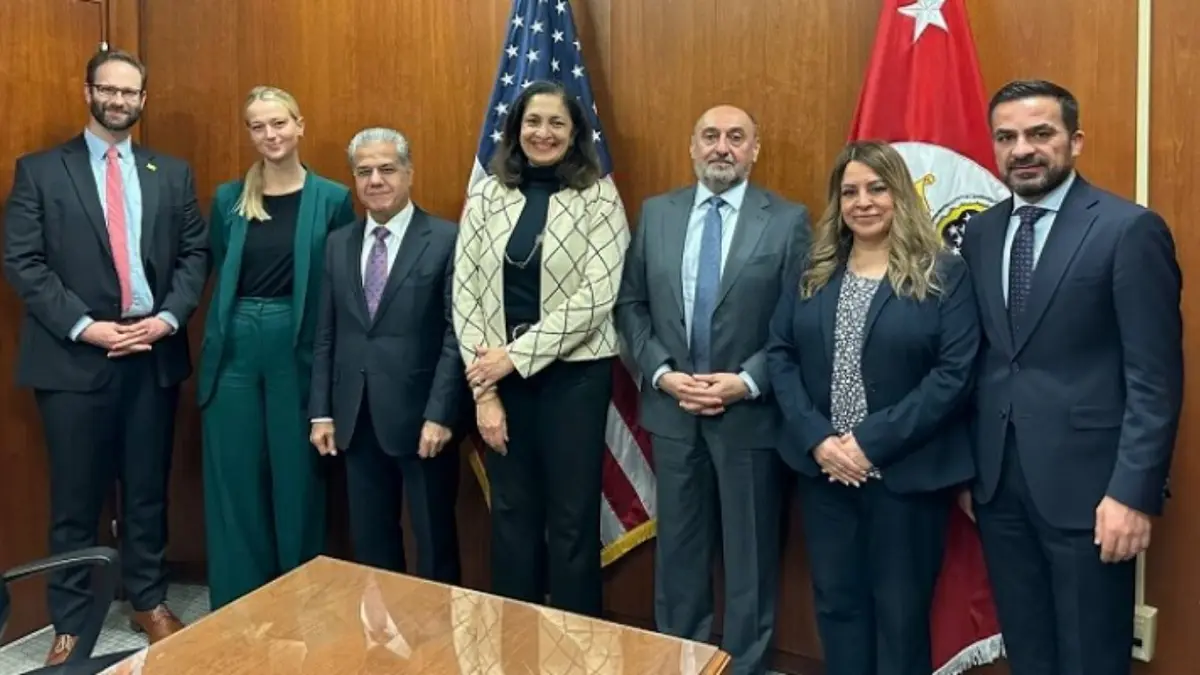
April 18, 2026: Lebanon intensified its push for international financial support as Finance Minister Yassine Jaber held a series of high-level meetings in Washington during the IMF and World Bank Spring Meetings, seeking backing for economic reforms and recovery efforts amid ongoing financial and humanitarian challenges.
The discussions come at a critical juncture for Lebanon’s economy, which continues to grapple with structural imbalances, weakened financial institutions, and mounting socio-economic pressures. The meetings focused on mobilizing international assistance, accelerating reform implementation, and restoring investor confidence.
Engagement with IMF Leadership
Jaber met with International Monetary Fund Deputy Managing Director Nigel Clarke, where discussions centered on the need for a clear and actionable reform agenda. Clarke emphasized the importance of accelerating reform measures and maintaining policy consistency to unlock potential financial support.
The IMF has consistently underscored the necessity for Lebanon to implement structural reforms, including fiscal consolidation, banking sector restructuring, and governance improvements. These measures are viewed as essential prerequisites for any comprehensive financial assistance program.
The engagement reflects ongoing efforts by Lebanese authorities to align with IMF expectations and advance negotiations aimed at stabilizing the economy and restoring macroeconomic balance.
Bilateral Cooperation and International Support
In addition to IMF discussions, Jaber held talks with UK official Nick Dyer, focusing on strengthening bilateral cooperation and exploring avenues for financial and technical assistance. The discussions highlighted the role of international partnerships in supporting Lebanon’s recovery process.
The meetings also emphasized the importance of coordinated global support to address Lebanon’s overlapping economic and humanitarian challenges, which have strained public finances and limited the government’s capacity to respond effectively.
International partners have continued to stress the need for transparency and reform-driven engagement as a basis for sustained support.
Lebanon’s delegation also engaged with key international financial institutions, including the International Finance Corporation (IFC) and the European Bank for Reconstruction and Development (EBRD), to explore opportunities for boosting private sector activity and attracting investment.
Discussions with these institutions focused on enhancing infrastructure development, supporting small and medium-sized enterprises, and facilitating capital flows into critical sectors of the economy.
The emphasis on private sector engagement reflects a broader strategy to stimulate economic growth and create employment opportunities, particularly in areas affected by prolonged economic downturn.
Reform Agenda and Economic Challenges
Lebanon’s economic recovery efforts remain closely tied to the implementation of comprehensive reforms aimed at addressing long-standing structural issues. These include improving fiscal discipline, strengthening financial sector oversight, and enhancing public sector governance.
The country continues to face significant economic headwinds, including high inflation, currency volatility, and declining public services, which have compounded the urgency of reform measures.
Authorities have acknowledged that securing international financial support will depend on demonstrating tangible progress in reform implementation and policy execution.
The Spring Meetings of the IMF and World Bank serve as a key platform for countries to engage with global financial institutions and policymakers on economic challenges and development priorities.
For Lebanon, participation in these meetings provides an opportunity to reinforce its reform commitments, build consensus among international stakeholders, and secure the financial and technical support needed to navigate its ongoing crisis.
The outcome of these discussions is expected to play a crucial role in shaping Lebanon’s economic trajectory, particularly as it seeks to stabilize its financial system and lay the groundwork for long-term recovery.