Gold Falls Below $4,730 as Failed U.S.-Iran Talks Boost Inflation Fears
Gold prices declined as a stronger dollar and rising oil prices following failed U.S.-Iran talks heightened inflation concerns and reduced expectations of Fed rate cuts.
 mansi labhde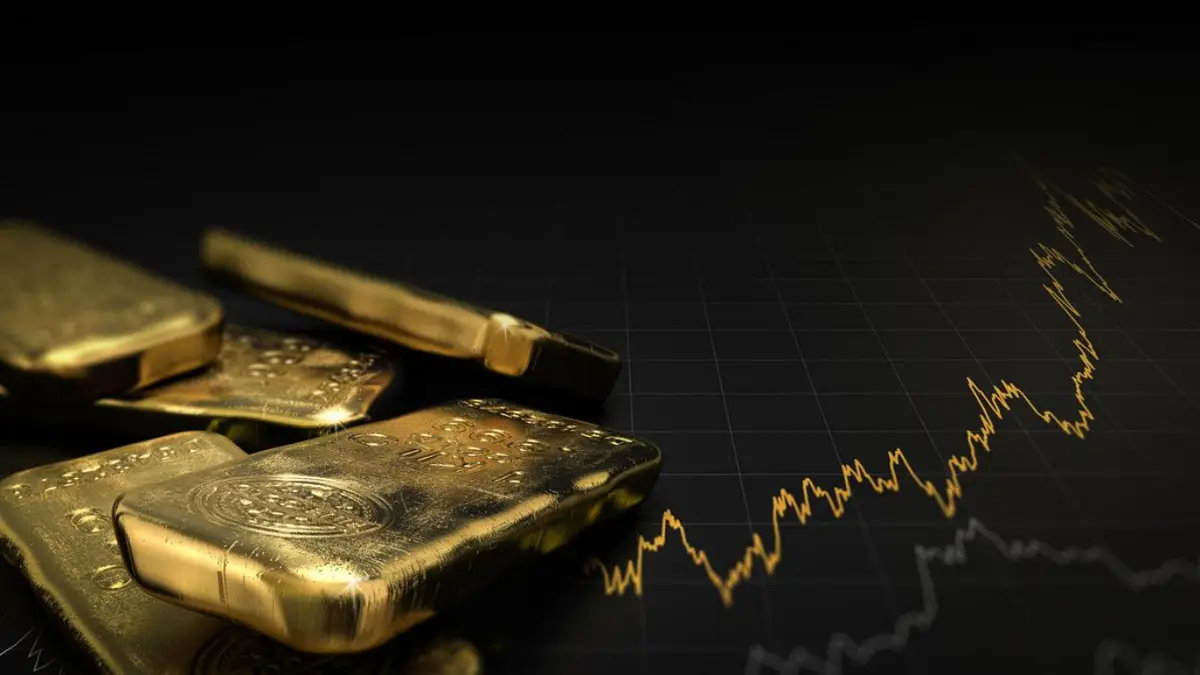
Gold prices declined on April 13, 2026, in global markets as a stronger U.S. dollar and rising oil prices—triggered by failed peace talks between the United States and Iran—intensified inflation concerns and reduced expectations for Federal Reserve interest rate cuts, weighing on demand for the non-yielding metal.
Gold Prices Drop Amid Stronger Dollar
Spot gold fell 0.4% to $4,726.64 per ounce as of 06:20 GMT, after touching an intraday low of $4,643, its weakest level since April 7. U.S. gold futures for June delivery also declined 0.8% to $4,748.70.
The U.S. dollar strengthened by 0.3%, making gold more expensive for holders of other currencies and reducing its attractiveness in international markets. Analysts noted that the stronger dollar was a key factor behind the decline in bullion prices.
Market participants indicated that currency movements, combined with shifting expectations around interest rates, continue to exert downward pressure on gold despite ongoing geopolitical tensions.
Oil Price Surge Fuels Inflation Concerns
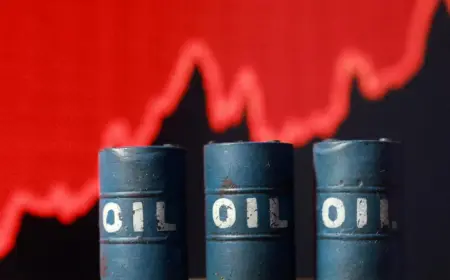
Oil prices rebounded above $100 per barrel following the collapse of U.S.-Iran negotiations aimed at ending the ongoing conflict. The rise in energy prices has heightened concerns about global inflation, influencing broader financial markets.
The U.S. Navy’s preparations to enforce a blockade in the Strait of Hormuz, a critical oil transit route, have added to supply concerns. In response, Iran’s Revolutionary Guards warned that any military vessels approaching the strait would be treated as a violation of the ceasefire.
The escalation has reinforced fears of prolonged disruption in energy markets, with potential spillover effects on inflation across major economies.
Interest Rate Outlook Pressures Gold
Higher oil prices have shifted expectations regarding monetary policy, with traders now seeing limited chances of interest rate cuts by the Federal Reserve in 2026. Prior to the conflict, markets had anticipated two rate cuts during the year.
Rising inflation risks linked to elevated energy costs are expected to constrain the central bank’s ability to ease monetary policy. Higher interest rates typically reduce the appeal of gold, as it does not offer yields compared to other interest-bearing assets.
Market analysts said that the changing interest rate outlook has become a dominant factor affecting gold prices, outweighing its traditional role as a safe-haven asset during geopolitical uncertainty.
Gold Declines Despite Geopolitical Tensions
Gold has fallen more than 11% since the U.S.-Israeli conflict with Iran began on February 28. While geopolitical risks and inflation generally support gold demand, the current environment of elevated interest rates has limited its upward momentum.
Analysts noted that the breakdown in ceasefire optimism has contributed to the recent price decline, as markets adjust to prolonged uncertainty in both geopolitical and economic conditions.
The interplay between rising energy costs, a stronger dollar, and tightening monetary expectations has created a challenging environment for gold investors.
Other Precious Metals Show Mixed Trends
In other segments of the metals market, spot silver declined 1.9% to $74.41 per ounce, while platinum slipped 0.2% to $2,041.89. Palladium, however, gained 0.5% to $1,527.95.
The mixed performance across metals reflects varying demand dynamics and sensitivity to macroeconomic factors, including industrial demand and currency fluctuations.
With global markets closely tracking developments in the Middle East and central bank policy signals, commodity prices are expected to remain volatile in the near term.
Gold continues to face pressure from competing macroeconomic forces, with inflation concerns and interest rate expectations playing a central role in shaping market direction.