West Asia Crisis Threatens India’s Growth, Inflation Outlook
West Asia crisis may disrupt India’s economy via inflation, supply shocks, rupee pressure, and Kharif output risks, warn economists.
 mansi labhde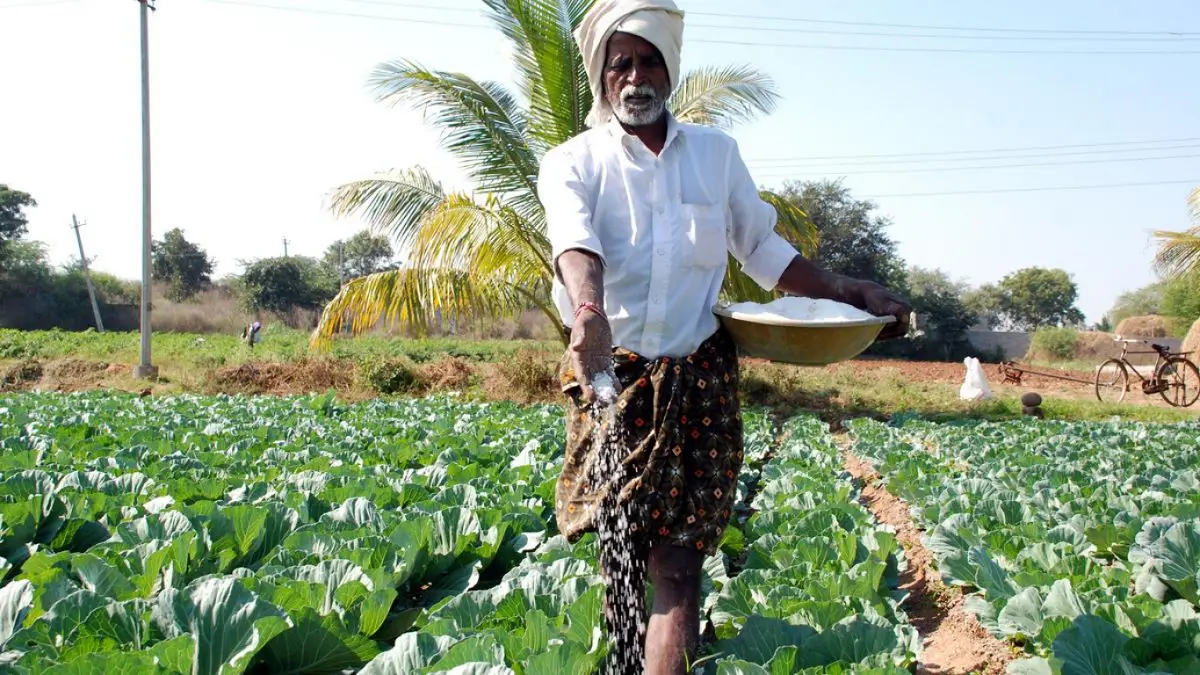
The ongoing crisis in West Asia is posing significant risks to India’s economy through multiple transmission channels, including supply disruptions, rising inflation, exchange rate pressure, and fiscal stress, according to economists C. Rangarajan and D.K. Srivastava.
Energy Supply Disruptions
The conflict has disrupted production, storage, and transportation of key energy commodities such as crude oil, natural gas, and fertilizers. A partial blockade of the Strait of Hormuz has further constrained global supply chains.
Although a temporary ceasefire has eased global crude prices—from $109.3 per barrel in early April to around $95—the normalization of supply chains may take time.
India’s Dependence on Imports
India imports nearly 90% of its crude oil requirements and sources energy and fertilizers from multiple countries. The Indian crude basket, linked to global benchmarks like Brent, WTI, and Dubai crude, saw significant volatility, peaking at $157 per barrel on March 23 before easing to $120.28 on April 9.
Impact on Industrial Production
Supply bottlenecks are expected to affect energy-intensive industries such as textiles, chemicals, cement, tyres, paints, and fertilizers. Disruptions in these sectors may cascade across the economy.
The shortage of fertilizers and chemicals could particularly impact agricultural output during the upcoming Kharif season starting in June.
Rising Logistics Costs
Higher energy prices are increasing storage and transportation costs, which in turn are pushing up the prices of final goods across sectors through cascading effects.
Exports and External Demand
India’s exports are likely to face pressure from both supply constraints and weakening global demand. West Asia accounted for 16.4% of India’s merchandise exports in 2024–25.
While rupee depreciation may provide some support to exporters, global economic slowdown could offset these gains.
Exchange Rate and Remittance Pressures
The Indian rupee has been depreciating amid rising demand for dollars due to higher oil import bills. Remittance inflows from Gulf countries may also decline due to reduced economic activity in the region.
Foreign Portfolio Investment (FPI) outflows reached $13.6 billion in March 2026, reflecting investor uncertainty.
Current Account and Inflation Risks
The combination of higher import costs and lower export volumes is expected to widen the current account deficit. At the same time, cost-push inflation is likely to rise due to higher prices of petroleum products, fertilizers, and related inputs.
Fiscal Challenges
The government may face increased fiscal pressure due to higher subsidies on fuel, food, and fertilizers. Lower excise duties on petrol and diesel are estimated to cause a revenue loss of ₹1.32 lakh crore annually if continued.
Reduced economic activity could also impact tax revenues, affecting both central and state finances.
Macroeconomic Impact
According to Reserve Bank of India estimates, every 10% increase in crude prices could reduce GDP growth by 15 basis points and raise inflation by 30 basis points.
With crude prices currently about $50 above the baseline of $70 per barrel, India’s GDP growth could decline by around 1 percentage point, while inflation may rise by over 2 percentage points if elevated prices persist.
Policy Considerations
Economists suggest that retail fuel prices may need to adjust in line with global prices to manage fiscal stress. At the same time, policymakers must avoid excessive liquidity expansion to contain inflationary pressures.
Outlook
The overall economic impact will depend on the duration of the crisis. While a quick resolution could limit the damage, prolonged instability in West Asia may significantly affect India’s growth, inflation, and external stability.