West Asia Conflict May Push 2.5 Million Indians Into Poverty
UNDP report warns West Asia conflict could push 2.5 million Indians into poverty, impacting GDP, food security, and human development.
 mansi labhde
The ongoing military escalation in West Asia could push up to 2.5 million people in India into poverty, according to a report by the United Nations Development Programme (UNDP).
Rising Poverty Risk
The UNDP report titled “Military Escalation in the Middle East: Human Development Impacts Across Asia and the Pacific” highlights that poverty levels in India could rise significantly, from around 400,000 to nearly 2.5 million people under severe scenarios.
Globally, the report estimates that up to 8.8 million people could fall into poverty due to the conflict, with South Asia bearing the largest share.
Economic Shock Transmission
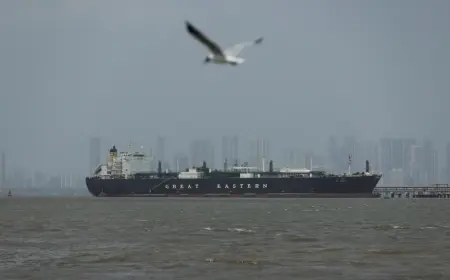
The report notes that the crisis is increasing fuel, freight, and input costs, reducing household purchasing power and raising food insecurity. These pressures are straining public finances and weakening livelihoods across the region.
The conflict could cost the Asia-Pacific region up to $299 billion, reflecting widespread economic disruptions.
Impact on India’s Economy
India’s poverty rate is projected to increase from 23.9% to 24.2%, pushing approximately 2.46 million additional people into poverty. Total poverty levels could rise to over 354 million people.
India’s heavy dependence on West Asia for energy and inputs increases its vulnerability. The country imports over 90% of its oil, with more than 40% sourced from the region, along with significant reliance on LPG and fertilizers.
Human Development Concerns
The UNDP estimates that India could lose between 0.03 to 0.12 years of progress in its Human Development Index (HDI), reflecting setbacks in health, education, and income indicators.
Trade and Supply Chain Disruptions
West Asian markets account for about 14% of India’s exports and 20.9% of imports. Disruptions in shipping, increased freight costs, and delayed deliveries are impacting sectors such as textiles, gems and jewellery, and agriculture.
Supply chain disruptions have also led to stranded shipments and logistical challenges across the region.
Food Security and Agriculture
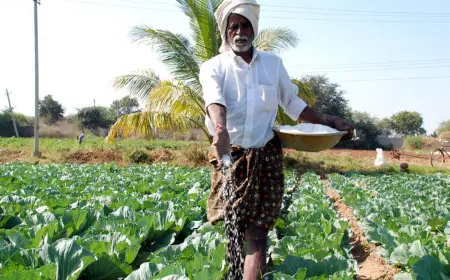
The report warns that rising costs and supply disruptions could affect food security, particularly during the upcoming Kharif cropping season. Fertilizer availability and pricing may become critical concerns if the conflict persists.
Remittances and Employment Risks
India’s large diaspora in Gulf countries—over 9 million people—accounts for a significant share of remittances. Reduced economic activity in the Gulf could impact income flows to Indian households.
Employment risks are expected to rise, particularly in MSME sectors dependent on imported inputs and Gulf-linked trade. Informal workers, who constitute a large portion of the workforce, are especially vulnerable.
Sectoral Impact
Industries such as hospitality, construction, food processing, and manufacturing may face higher input costs and reduced demand. Medical device costs are expected to rise sharply, with wholesale medicine prices already increasing by 10–15%.
Outlook
While the conflict poses significant risks, the UNDP highlighted opportunities for long-term resilience through stronger social protection systems, diversified energy sources, and improved regional supply chains.