China Proposes Four-Point Plan After US-Iran Talks Fail
China unveils a four-point Middle East peace plan after US-Iran talks fail, focusing on sovereignty, international law, and regional stability.
 mansi labhde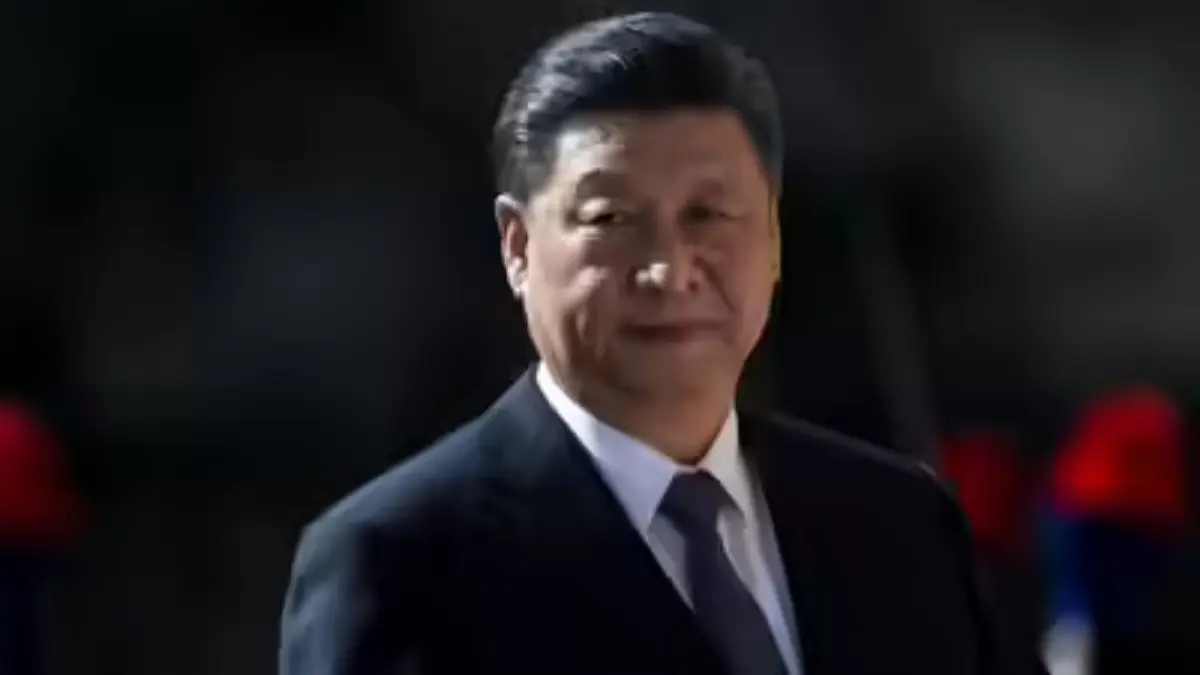
China has proposed a four-point plan aimed at promoting long-term peace and stability in the Middle East, following the failure of initial talks between the United States and Iran.
Proposal Announced After Diplomatic Setback
The announcement was made by China’s Foreign Ministry after US-Iran negotiations concluded without reaching an agreement. Chinese President Xi Jinping outlined the proposal during a meeting in Beijing with Sheikh Khaled bin Mohamed bin Zayed Al Nahyan, Crown Prince of Abu Dhabi.
Chinese officials stated that the country would continue to play a “constructive role” in advancing peace efforts in the region.
Focus on Peaceful Coexistence
The first point of the proposal emphasizes peaceful coexistence among Gulf nations. China called for strengthening relations between neighboring states and building a cooperative and sustainable regional security framework.
Respect for Sovereignty
The second principle highlights the importance of respecting national sovereignty and territorial integrity. China stressed that these elements are essential for the stability and development of nations, particularly in the Gulf region.
Adherence to International Law
The third point focuses on upholding international law and the global system centered on the United Nations. China reaffirmed support for international norms and principles outlined in the UN Charter.
Balancing Development and Security
The fourth and final point underlines the need to balance development with security. China emphasized that economic development and stability are interdependent and called for creating an environment conducive to regional growth.
Beijing also expressed willingness to share development opportunities with Gulf countries through its modernization initiatives.
Geopolitical Context
The proposal comes amid rising tensions in the Middle East and reflects China’s increasing diplomatic engagement in the region. Analysts view the move as part of Beijing’s broader effort to position itself as a mediator in global conflicts.