Africa Seeks $120B for Refineries to Tackle Energy Crisis
Africa plans to raise $120 billion to build six large-scale refineries, aiming to boost energy security amid global supply disruptions and rising fuel costs.
 Tripti Srivastava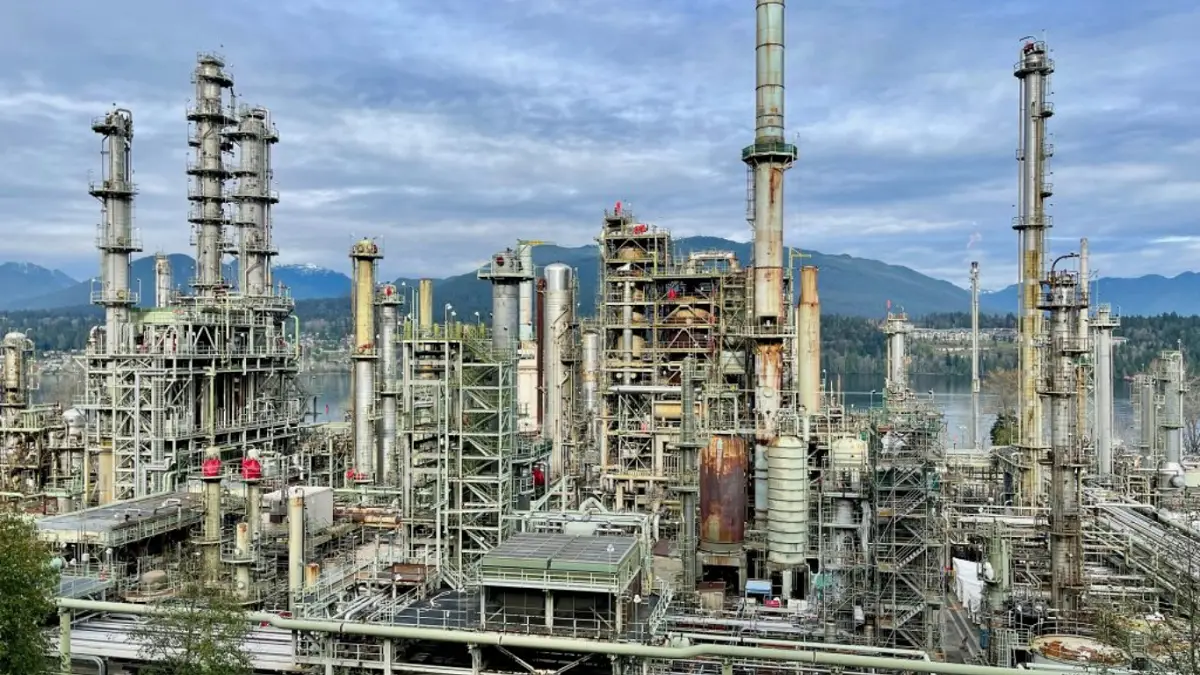
African energy stakeholders are seeking to raise approximately $120 billion to develop six large-scale refineries comparable to the Dangote facility, as the continent moves to shield itself from global supply disruptions and rising fuel costs, industry participants said on April 16.
The proposed investment, discussed during the African Refiners and Distributors Association (ARDA) Week in Cape Town, reflects growing urgency to expand domestic refining capacity amid tightening global energy markets and increased volatility linked to geopolitical tensions.
$120 Billion Refining Push to Strengthen Energy Security
The planned $120 billion financing effort aims to establish six refineries of similar scale to Nigeria’s Dangote Petroleum and Petrochemicals Refinery, significantly boosting Africa’s downstream capacity. Stakeholders emphasised that the continent must reduce its reliance on imported petroleum products, despite abundant crude resources.
Participants at the ARDA forum highlighted persistent structural challenges, including crude supply constraints, pricing inefficiencies, and limited access to financing, which continue to hinder Africa’s refining expansion.
Industry leaders noted that scaling refining infrastructure is critical to achieving energy sovereignty by ensuring that African crude is processed and consumed within the continent rather than exported and re-imported as refined products.
The push for new refining capacity comes as disruptions in global energy supply chains, particularly constraints in liquefied natural gas (LNG) flows through the Strait of Hormuz, have triggered a shift toward alternative fuels.
According to Wood Mackenzie, benchmark coal prices have risen sharply amid supply uncertainty. FOB Newcastle coal averaged $126 per tonne in March 2026 and increased to around $132 per tonne in recent trades, up from $114 per tonne in February. Other benchmarks also climbed, with FOB Richards Bay at about $110 per tonne and CIF ARA prices reaching $123 per tonne.
The shift back to coal, despite global decarbonisation efforts, underscores the extent of supply shocks affecting global energy markets. Analysts said such disruptions have reinforced the importance of domestic refining and diversified energy strategies for emerging economies.
Oil Market Windfalls and Rising Prices
The ongoing geopolitical tensions are poised to significantly benefit global oil producers. Estimates suggest that major oil and gas companies could generate up to $234 billion in windfall profits, driven by elevated crude prices and supply constraints.
Market data shows Brent crude trading at $95.60 per barrel for June delivery, while West Texas Intermediate reached $91.87. Analysis indicates that if prices average $100 per barrel, leading producers such as Saudi Aramco could gain an additional $25.5 billion, with Kuwait Petroleum Corporation projected to earn $12.1 billion. ExxonMobil and Chevron are expected to record gains of $11 billion and $9.2 billion, respectively.
In the early phase of the conflict, the world’s top 100 oil and gas firms reportedly generated over $30 million per hour in paper profits, reflecting the scale of market gains linked to supply disruptions.
Nigeria, Africa’s largest oil producer, has recorded a modest recovery in crude output, though it remains below official targets. Data from the Nigerian Upstream Petroleum Regulatory Commission shows production rose 4.2% to 1.546 million barrels per day in March, up from 1.483 million barrels per day in February.
Crude-only production increased by 5.2% to 1.382 million barrels per day, yet still fell short of the Organisation of the Petroleum Exporting Countries (OPEC) quota of 1.5 million barrels per day and the government’s 2026 target of 1.84 million barrels per day.
Meanwhile, fuel supply dynamics highlight ongoing fragility in the downstream sector. Premium Motor Spirit (PMS) supply declined sharply to 39.5 million litres per day in February from 64.9 million litres in January. The drop was driven by a collapse in imports, which fell to just 3 million litres per day, compared to 24.6 million litres in January.
Domestic refining contributed 36.5 million litres per day in February, supported by increased output from local facilities, including the Dangote refinery.
Calls for Policy Action and Energy Reform
Alongside industry discussions, more than 130 civil society organisations called on global finance ministers at the International Monetary Fund and World Bank spring meetings to address the broader economic impact of the energy crisis.
The coalition urged policymakers to impose windfall taxes on oil and gas companies benefiting from elevated prices and to redirect revenues toward public services and support for vulnerable populations.
According to the group, over $100 billion was extracted from consumers in a single month through higher energy prices linked to the crisis, intensifying financial strain in developing economies.
Stakeholders also called for increased investment in renewable energy, sustainable agriculture, and debt relief for Global South countries as part of a broader strategy to address energy insecurity and economic vulnerability.
Industry executives noted that Africa’s refining landscape is gradually shifting toward greater private sector participation, particularly in Nigeria. Licensed operators are at various stages of development, signalling a transition away from state-dominated refining capacity.
Experts emphasised that achieving energy independence will require coordinated investment across the entire value chain, from upstream production to downstream refining and distribution.
The proposed $120 billion refinery initiative reflects a broader effort to close infrastructure gaps, stabilise fuel supply, and strengthen Africa’s position in global energy markets amid ongoing volatility.