AI-Generated Fake X-Rays Found to Mislead Radiologists and Diagnostic Systems, Study Reveals
A new study finds that AI-generated fake X-rays can deceive radiologists and diagnostic systems, raising concerns over medical imaging security and patient safety.
 Akanksha jain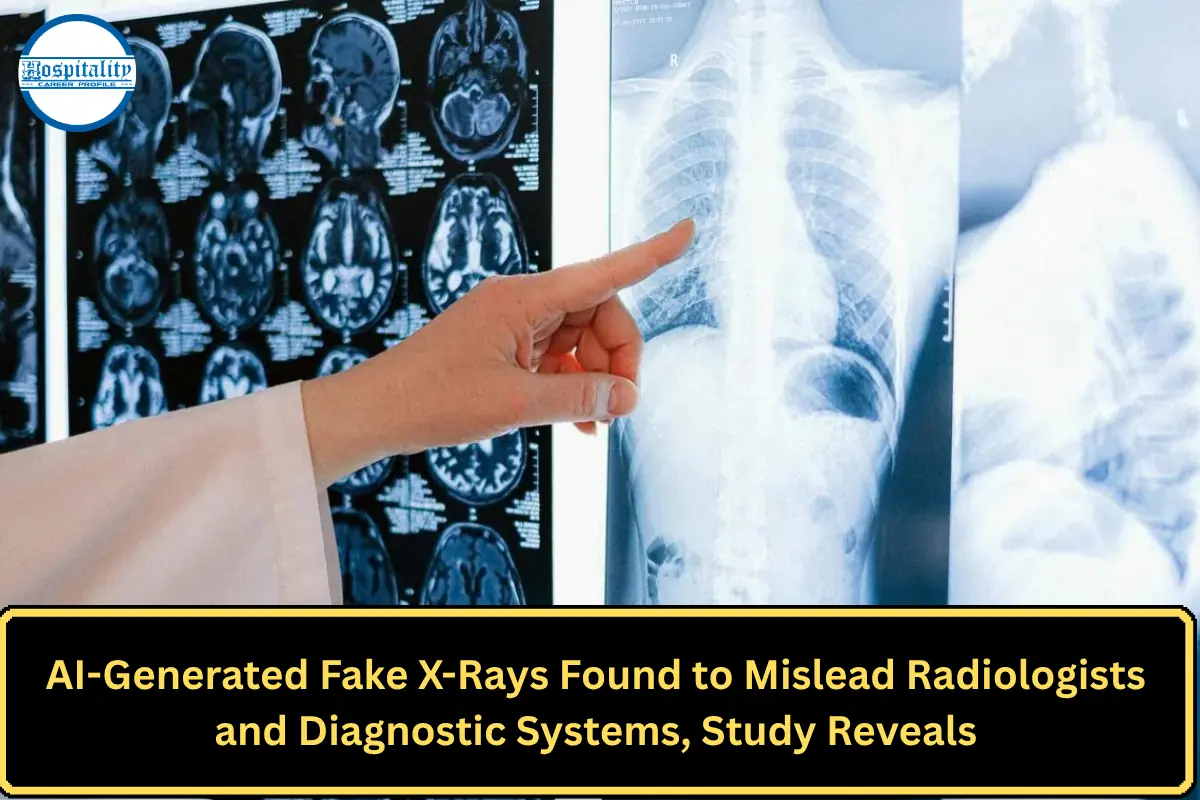
AI-Generated Fake X-Rays Found to Mislead Radiologists and Diagnostic Systems, Study Reveals
A new study published on March 25, 2026, has revealed that artificial intelligence-generated fake X-ray images can successfully mislead both trained radiologists and advanced diagnostic AI systems, raising serious concerns about the security and reliability of medical imaging worldwide. The findings highlight emerging risks as AI becomes increasingly integrated into healthcare diagnostics.
Researchers demonstrated that manipulated medical images, created using advanced generative AI models, were capable of altering diagnoses by inserting or removing signs of disease. The study underscores the potential for misuse of such technology in clinical settings, insurance fraud, and cyberattacks targeting healthcare systems.
AI Manipulation of Medical Images
The study found that generative AI tools can create highly realistic X-ray images that are nearly indistinguishable from authentic scans. These tools can modify existing images to falsely indicate conditions such as tumors, fractures, or infections, or conversely, remove visible signs of disease.
Such alterations pose a significant threat to diagnostic accuracy, particularly in high-pressure clinical environments where quick decisions are often required. Researchers noted that even experienced radiologists struggled to consistently identify manipulated images during testing.
The ability of AI to generate convincing medical imagery has advanced rapidly, making detection increasingly difficult without specialized tools.
Impact on Radiologists and AI Systems
One of the most concerning findings of the study is that both human experts and AI diagnostic systems were susceptible to deception. Radiologists reviewing the altered images frequently made incorrect diagnoses, while automated systems trained to detect abnormalities also failed to recognize the manipulations.
This dual vulnerability raises questions about the growing reliance on AI-assisted diagnostics in healthcare. While AI has improved efficiency and accuracy in many areas, the study highlights the need for safeguards to prevent misuse.
Experts warn that without proper verification mechanisms, healthcare providers may face increased risks of diagnostic errors.
Cybersecurity Risks in Healthcare
The findings also point to broader cybersecurity challenges in the healthcare sector. Medical imaging systems are increasingly connected to digital networks, making them potential targets for cyberattacks.
Hackers could exploit AI-generated fake images to manipulate patient records, influence treatment decisions, or commit insurance fraud. In extreme cases, such attacks could compromise patient safety by leading to incorrect diagnoses or inappropriate treatments.
Healthcare institutions are being urged to strengthen their cybersecurity infrastructure to address these emerging threats.
Implications for Patient Safety
The use of manipulated medical images has direct implications for patient safety. Incorrect diagnoses can result in unnecessary treatments, delayed care, or failure to address serious conditions.
For example, a fake image showing a non-existent tumor could lead to invasive procedures, while the removal of disease indicators could prevent timely intervention. The study emphasizes that ensuring the integrity of medical data is critical to maintaining trust in healthcare systems.
Healthcare professionals are being encouraged to adopt additional verification steps when reviewing diagnostic images.
Need for Detection and Verification Tools
To address the risks identified in the study, researchers are calling for the development of advanced detection tools capable of identifying AI-generated manipulations. These tools would analyze image patterns, metadata, and inconsistencies to verify authenticity.
Digital watermarking and blockchain-based record systems are among the proposed solutions to ensure the integrity of medical images. Such technologies could provide a secure chain of custody for diagnostic data.
Implementing these measures will require collaboration between technology developers, healthcare providers, and regulatory bodies.
Regulatory and Ethical Considerations
The emergence of AI-generated fake medical images raises important regulatory and ethical questions. Policymakers are being urged to establish guidelines governing the use of AI in healthcare, including safeguards against misuse.
Ethical concerns also extend to the responsibility of developers and healthcare organizations in ensuring that AI technologies are used safely and responsibly. Transparency in AI systems and accountability for errors are key issues highlighted by experts.
Regulators may need to update existing frameworks to address the unique challenges posed by generative AI.
Balancing Innovation and Risk
Despite the risks, experts emphasize that AI remains a powerful tool for improving healthcare outcomes. From enhancing diagnostic accuracy to enabling personalized treatment, AI has the potential to transform medical practice.
However, the study highlights the importance of balancing innovation with risk management. Ensuring the safe integration of AI into healthcare systems will require ongoing research, robust safeguards, and continuous monitoring.
Healthcare organizations are being encouraged to adopt a cautious approach, incorporating both technological and human oversight.
Global Healthcare Implications
The findings have implications for healthcare systems worldwide, particularly as digital transformation accelerates. Countries investing heavily in AI-driven healthcare solutions must also address the associated risks to ensure patient safety and system integrity.
International collaboration may be necessary to develop standards and best practices for the use of AI in medical imaging. Sharing knowledge and resources can help mitigate risks and promote safe adoption of new technologies.
The study serves as a reminder that technological advancements must be accompanied by strong governance frameworks.
Future Outlook
Looking ahead, researchers expect continued advancements in both AI-generated content and detection technologies. The ongoing development of more sophisticated tools will likely intensify the challenge of distinguishing real from fake medical images.
Investments in research, cybersecurity, and regulatory frameworks will be essential to address these challenges. Training healthcare professionals to recognize potential risks and adopt best practices will also play a critical role.
Experts believe that proactive measures taken now can help prevent future incidents and ensure the safe use of AI in healthcare.
Conclusion
The study highlights a growing challenge in modern healthcare, demonstrating that AI-generated fake X-rays can mislead both human and machine diagnostics, underscoring the urgent need for stronger safeguards to protect patient safety and maintain trust in medical systems.