Health Systems Use AI to Overcome Language Barriers in Patient Discharge Instructions
Healthcare providers are using artificial intelligence to translate patient discharge instructions into multiple languages, improving communication and patient safety.
 Akanksha jain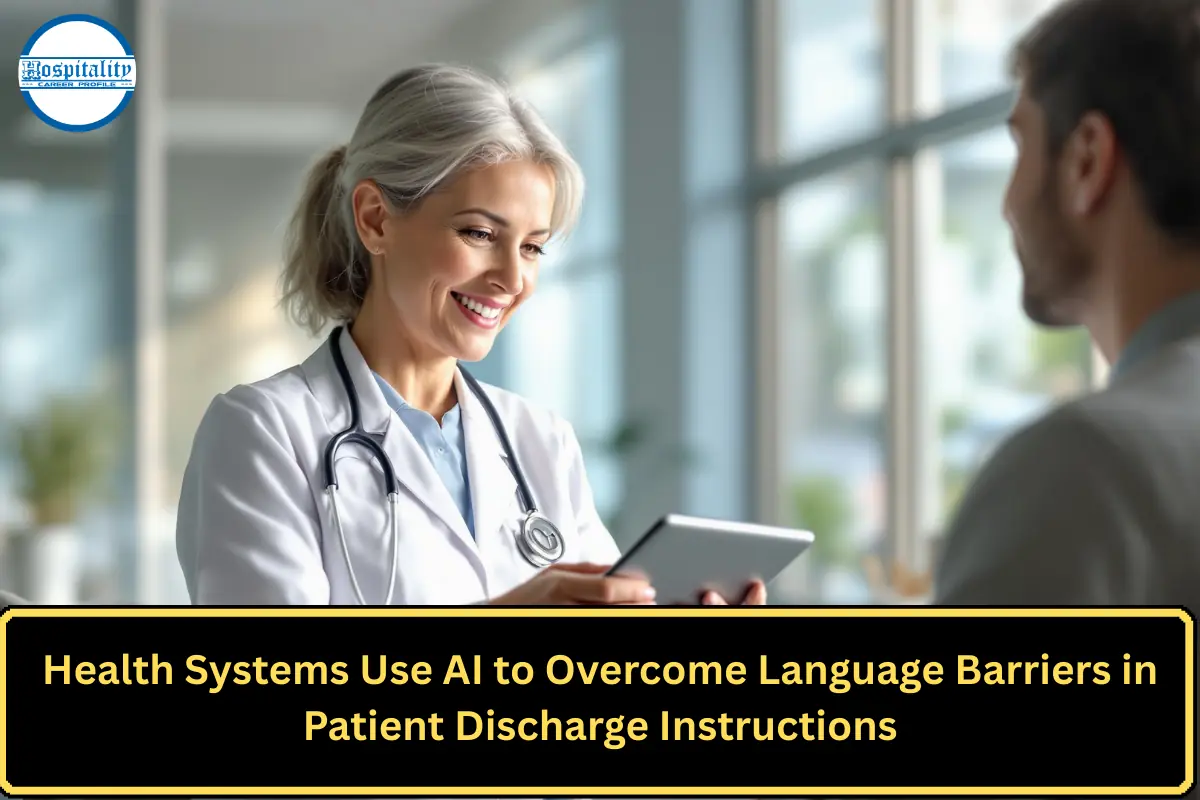
Healthcare providers are increasingly turning to help overcome language barriers when communicating with patients during hospital contact. Referencing AI-powered tools that automatically translate discharge instructions into multiple languages, ensuring patients better understand their treatment plans and follow‑up care.
Improving Communication With Patients
Clear discharge instructions are critical for patient safety, as they guide individuals on medication use, recovery steps, and when to seek medical help after leaving the hospital.
However, language differences between healthcare providers and patients can sometimes lead to misunderstandings or incomplete information.
How AI Translation Tools Help:
AI‑based translation systems can convert medical discharge notes into a patient’s preferred language almost instantly. These tools use advanced language models trained on healthcare terminology to improve translation accuracy.
Hospitals say the technology helps clinicians provide more accessible information without significantly increasing administrative workload.
Benefits for Patient Safety
Healthcare experts say better communication can reduce medication errors, prevent complications, and lower hospital readmission rates.
Providing discharge instructions in a language patients understand may also improve adherence to treatment plans and follow‑up appointments.
Expanding Digital Tools in Healthcare
As healthcare systems continue adopting digital technologies, AI‑powered communication tools are becoming an important part of patient‑centered care.
Experts believe such innovations could help reduce health disparities by improving access to information for multilingual patient populations.