AI Analysis of Mammograms May Help Predict Heart Disease Risk in Women
Researchers say artificial intelligence can analyze mammograms to identify early signs of heart disease risk in women, offering a new opportunity for preventive care.
 Akanksha jain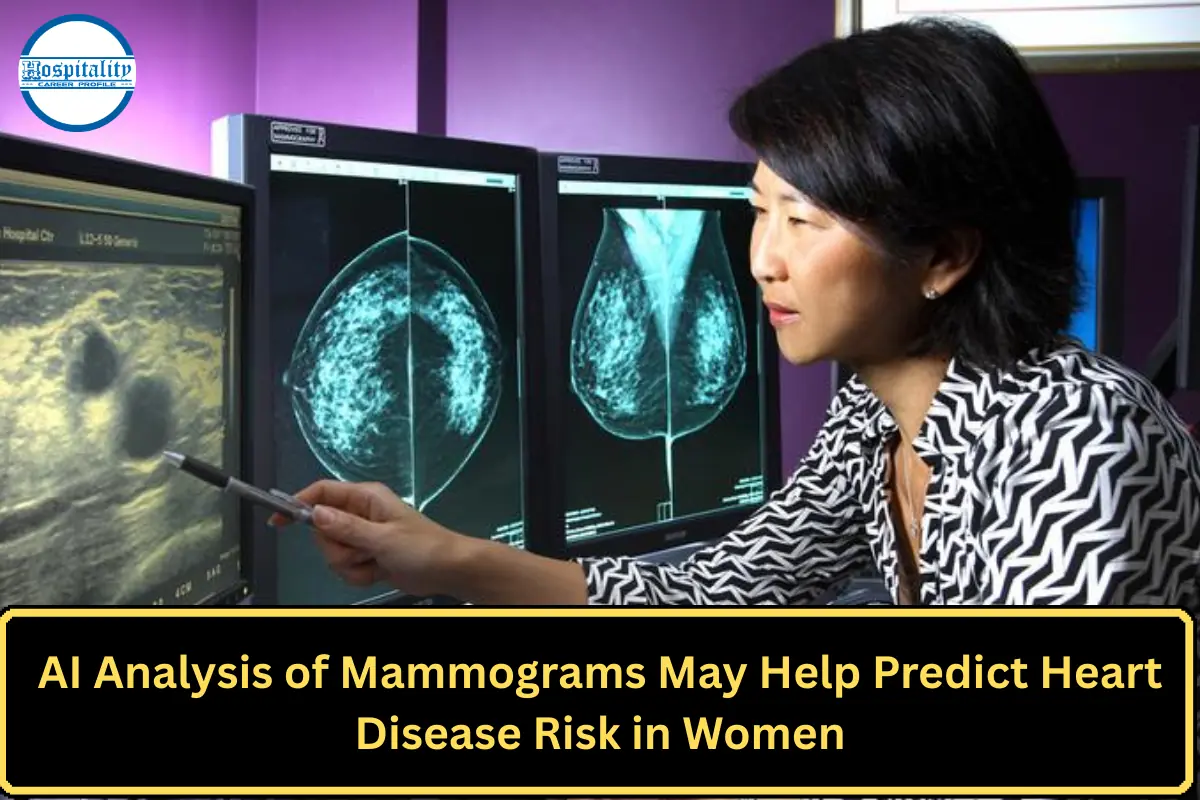
Researchers are exploring how it could transform routine breast screening by helping detect early signs of < high risk in women.
New studies suggest that AI tools can analyze mammogram images and identify patterns linked to cardiovascular risk factors that may not be immediately visible during standard screening.
Beyond breast cancer detection, mammograms are widely used to detect it, but researchers say the same images may contain additional health information. AI systems can examine subtle indicators such as calcium buildup in arteries within the breast tissue.
These deposits may be associated with cardiovascular disease, offering doctors another way to identify women who could benefit from early prevention strategies.
Opportunity for Early Intervention
Because many women undergo routine mammography screenings, researchers believe the technology could provide an additional opportunity to assess heart health without requiring extra medical tests.
Identifying cardiovascular risk earlier could allow patients to adopt preventive measures such as lifestyle changes, monitoring, or medical treatment.
Potential Benefits for Women’s Health
Heart disease remains one of the leading causes of death among women worldwide. However, it is often underdiagnosed because symptoms may differ from those experienced by men.
Experts say AI‑enhanced screening tools could help bridge this gap by offering new ways to detect risk factors earlier.
Next Steps in Research
Scientists emphasize that more research and clinical validation will be needed before AI-based analysis becomes widely used in routine screening programs.
However, early findings suggest the technology could play an important role in integrating cardiovascular risk assessment into existing healthcare screenings.