AI Not a Replacement for Doctors, Say Medical Experts
Medical experts say artificial intelligence can support healthcare delivery but cannot replace doctors, emphasizing the need for human judgment and patient interaction.
 Akanksha jain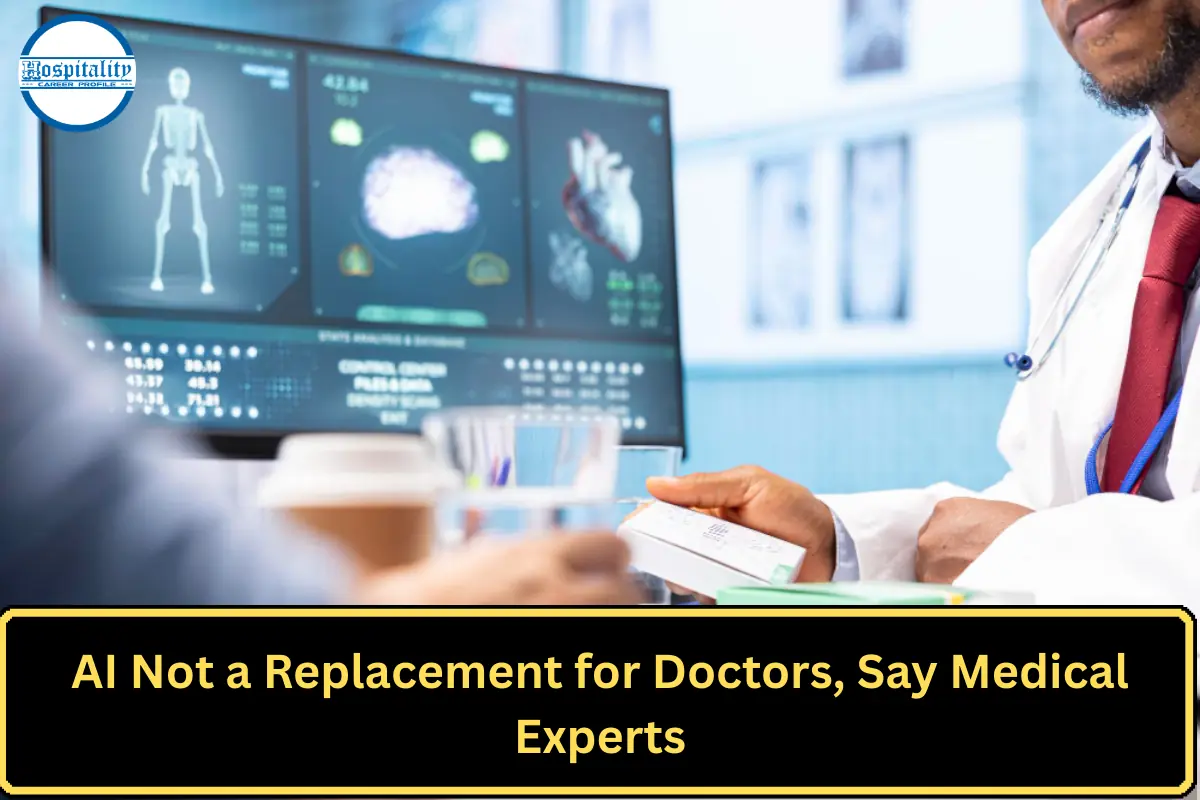
Artificial intelligence (AI) can significantly support healthcare delivery, but it is not a replacement for doctors, medical experts have said, according to reports.
Specialists highlighted that while AI tools can assist in decision-making, it still requires human expertise, ethical judgment, and direct patient interaction.
AI as a Support Tool
AI systems are increasingly being used in radiology, pathology, predictive analytics, and hospital workflow management. These tools can help identify patterns in medical imaging, flag potential risks, and streamline documentation processes.
However, experts stress that AI operates based on algorithms and data inputs and may not fully capture the complexities of individual patient cases.
The Human Element in Medicine
Doctors provide empathy, contextual understanding, and nuanced decision-making that go beyond algorithmic analysis. Patient history, emotional factors, and ethical considerations often influence treatment choices in ways machines cannot replicate.
Medical professionals argue that AI should be viewed as an assistive technology rather than a substitute for trained clinicians.
Balancing Innovation and Responsibility
While AI adoption is accelerating across healthcare systems, experts call for proper training, regulatory oversight, and data privacy safeguards. Responsible integration is considered essential to ensure patient safety and trust.
The consensus remains that the future of healthcare lies in collaboration between human expertise and advanced technology—not replacement.