Medications for Alcohol Use Disorder Gain Attention as New and Existing Drugs Show Promise
From naltrexone and acamprosate to emerging interest in GLP-1 drugs like Ozempic, medications for alcohol use disorder are gaining renewed attention as effective treatment options.
 Akanksha jain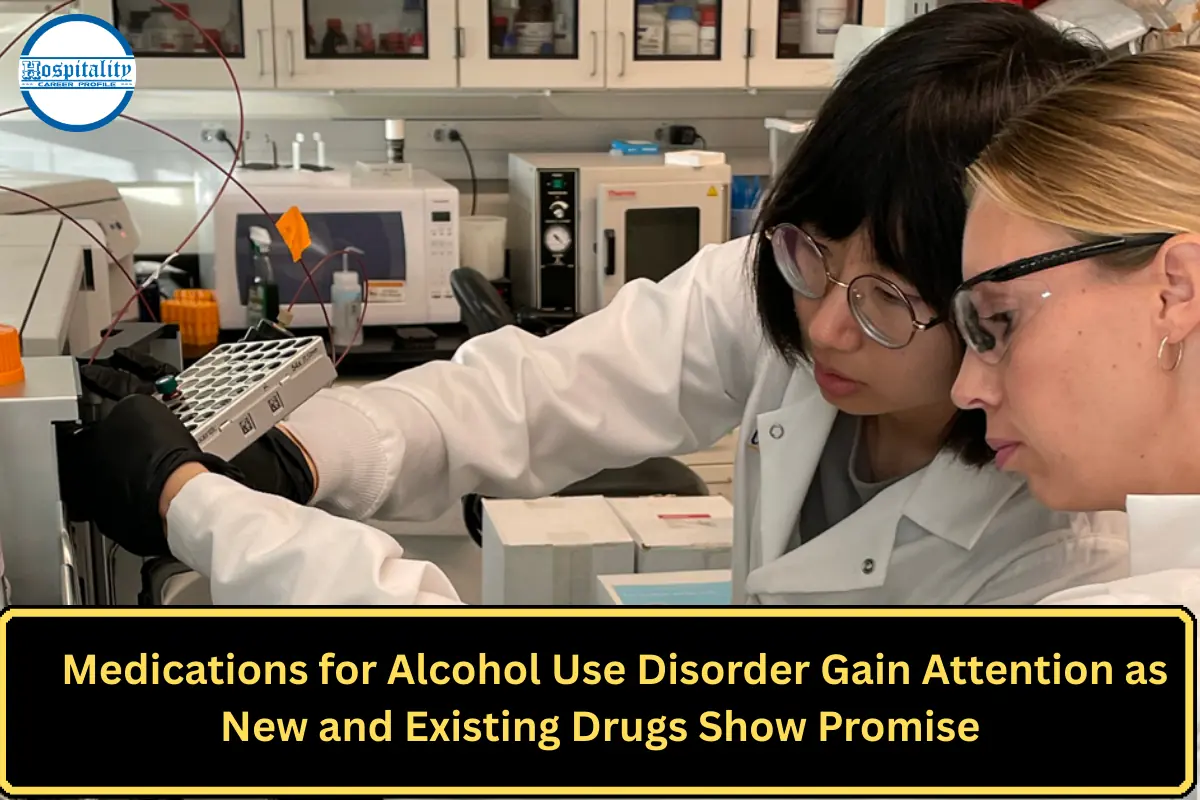
Medications designed to treat alcohol use disorder (AUD) are receiving renewed attention as doctors and researchers explore both established therapies and newer drugs that may help reduce cravings and relapse rates.
Alcohol use disorder affects millions globally, yet medication-assisted treatment remains underutilized. Health experts say greater awareness of available options could significantly improve outcomes for individuals seeking recovery.
Established Medications for Alcohol Use Disorder
Naltrexone
Naltrexone works by blocking opioid receptors in the brain, reducing the pleasurable effects associated with alcohol consumption. It can help decrease cravings and limit heavy drinking episodes. The medication is available in both daily oral form and as a long-acting injectable.
Acamprosate
Acamprosate helps stabilize chemical signaling in the brain that becomes disrupted with chronic alcohol use. It is typically prescribed to individuals who have already stopped drinking and want to maintain abstinence.
Disulfiram
Disulfiram works differently from other treatments. It causes unpleasant physical reactions—such as nausea and flushing—if alcohol is consumed, thereby discouraging drinking. While effective for some patients, it requires strong adherence and medical supervision.
Emerging Interest in GLP-1 Drugs
More recently, researchers have begun investigating whether GLP-1 receptor agonists—medications originally developed to treat diabetes and obesity—may also reduce alcohol cravings. Drugs in this category, including semaglutide (commonly known under brand names such as Ozempic), act on appetite and reward pathways in the brain.
Early studies suggest these medications may influence the same neural circuits involved in addictive behaviors. While research is ongoing, experts caution that more clinical trials are needed before GLP-1 drugs become standard treatment for alcohol use disorder.
Why Medication Is Underused
Despite evidence supporting medication-assisted treatment, many patients with alcohol use disorder do not receive prescriptions. Barriers include stigma, limited access to specialists, lack of awareness among healthcare providers, and misconceptions that recovery must rely solely on counseling or willpower.
Experts emphasize that medications are most effective when combined with behavioral therapies, peer support, and structured treatment programs.
A Shift Toward Broader Treatment Options
The growing conversation around both established medications and potential new therapies reflects a broader shift in how addiction is understood. Rather than viewing alcohol dependence as a moral failing, clinicians increasingly treat it as a chronic medical condition that can benefit from pharmacological support.
As research continues into innovative treatments, expanding access to proven medications like naltrexone and acamprosate remains a key priority. With proper medical guidance, these therapies can play a vital role in helping individuals reduce harmful drinking and sustain long-term recovery.