Seven in Ten Americans Fear AI Will Eliminate Jobs as Workforce Anxiety Rises
 Taniska Kumari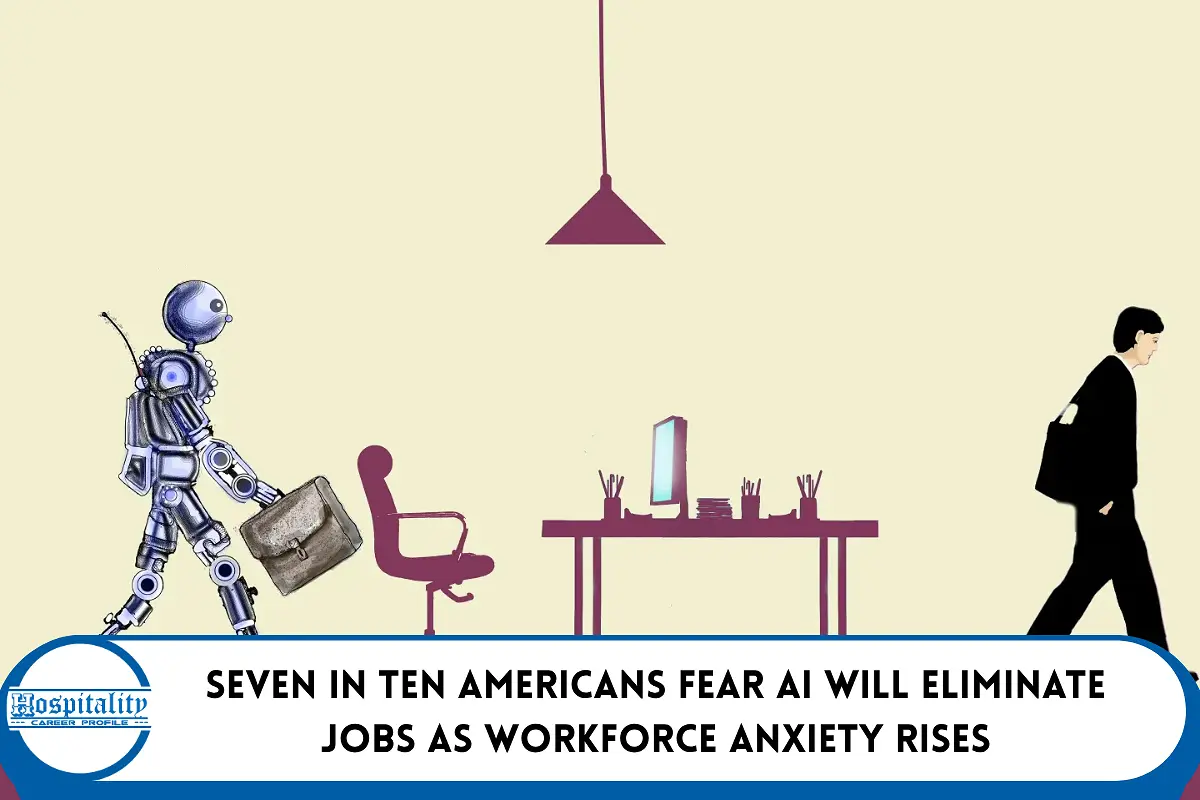
A growing majority of Americans believe artificial intelligence will lead to widespread job losses, with nearly 70% expressing concern and around 30% fearing their own roles could be replaced, according to recent survey findings reported in March 2026, highlighting rising anxiety over the impact of automation on the workforce.
Rising Concern Over Job Displacement
The findings reflect increasing unease among workers as artificial intelligence technologies continue to evolve and integrate into various industries. From administrative roles to technical positions, employees across sectors are becoming more aware of the potential for automation to reshape traditional job functions.
The perception that AI could replace human labor is no longer limited to repetitive or low-skilled tasks. Advances in machine learning, natural language processing, and generative AI have expanded the scope of automation into areas that were previously considered secure, including creative and analytical roles.
As a result, workers are reassessing their job security and long-term career prospects in an environment where technological disruption is accelerating.
Survey Highlights Growing Workforce Anxiety
According to the survey, approximately seven out of ten respondents believe that artificial intelligence will reduce the number of available jobs in the future. Additionally, nearly one-third indicated concern that their own positions could be directly impacted by these changes.
This level of concern suggests a shift in public perception, as AI is increasingly viewed not only as a tool for efficiency but also as a potential threat to employment stability. The findings highlight the need for greater awareness and preparation among workers facing technological transformation.
The survey also underscores differences in perception across demographics, with younger workers and those in technology-driven industries showing varying levels of optimism and concern about AI’s role in shaping the future of work.
Impact Across Industries
Artificial intelligence is already influencing a wide range of industries, including manufacturing, finance, healthcare, and customer service. Automation technologies are being used to streamline operations, reduce costs, and improve productivity, often replacing tasks that were previously performed by humans.
In sectors such as customer support, AI-powered chatbots and virtual assistants are handling routine inquiries, reducing the need for large support teams. Similarly, in finance, automated systems are performing data analysis and risk assessment tasks that were once carried out by analysts.
The expansion of AI into these areas is contributing to concerns that job displacement could become more widespread, affecting both entry-level and experienced professionals.
Balancing Job Loss and Job Creation
While fears of job loss are increasing, experts note that artificial intelligence also has the potential to create new employment opportunities. Emerging roles in AI development, data analysis, cybersecurity, and system management are expected to grow as technology adoption continues.
However, the transition may not be seamless, as workers displaced by automation may not have the skills required for these new roles. This mismatch between existing skills and future job requirements is a key challenge facing the labor market.
Addressing this issue will require significant investment in education, training, and reskilling programs to help workers adapt to changing demands.
Role of Businesses and Policymakers
Businesses and policymakers are increasingly being called upon to address the impact of AI on employment. Companies adopting automation technologies are under pressure to balance efficiency gains with workforce considerations, including retraining and redeployment of employees.
Governments, meanwhile, are exploring policies aimed at mitigating the negative effects of automation, such as funding for skill development programs, support for displaced workers, and incentives for industries that create jobs.
The challenge lies in ensuring that the benefits of technological advancement are distributed broadly, rather than concentrated among a limited segment of the population.
Changing Nature of Work
The rise of artificial intelligence is transforming not only the availability of jobs but also the nature of work itself. Many roles are evolving to incorporate collaboration between humans and machines, requiring workers to develop new skills and adapt to changing workflows.
Tasks that involve creativity, critical thinking, and emotional intelligence are likely to remain less susceptible to automation, while routine and repetitive functions may continue to be replaced by AI systems.
This shift is prompting individuals to focus on lifelong learning and continuous skill development as essential components of career resilience.
Public Perception and Trust in AI
Public perception of artificial intelligence plays a significant role in shaping its adoption and impact. Concerns about job loss, data privacy, and ethical considerations can influence how individuals and organizations approach the use of AI technologies.
Building trust in AI systems will require transparency, accountability, and clear communication about how these technologies are used and regulated. Addressing public concerns will be critical to ensuring that AI is adopted in a way that benefits society as a whole.
The survey findings suggest that while there is recognition of AI’s potential, there is also a need for greater dialogue and understanding حول its implications.
Future Outlook
As artificial intelligence continues to advance, its impact on the workforce is expected to intensify. The balance between job displacement and job creation will depend on how quickly workers can adapt and how effectively institutions respond to these changes.
Companies that invest in workforce development and individuals who embrace new skills may be better positioned to navigate the evolving job market. At the same time, ongoing research and policy development will play a crucial role in shaping the future of work.
The increasing concern among Americans highlights the urgency of addressing these challenges proactively to ensure a more stable and inclusive transition into an AI-driven economy.
Conclusion
The growing fear among Americans that artificial intelligence will eliminate jobs underscores the broader uncertainty surrounding the future of work, as rapid technological advancements continue to reshape industries and workforce dynamics.