Apple Co-founder Sold 10% Stake for $800, Now Worth $400B
Apple co-founder Ronald Wayne sold his 10% stake for $800 in 1976. That share could be worth nearly $400 billion today as Apple’s valuation nears $4 trillion.
 Tripti Srivastava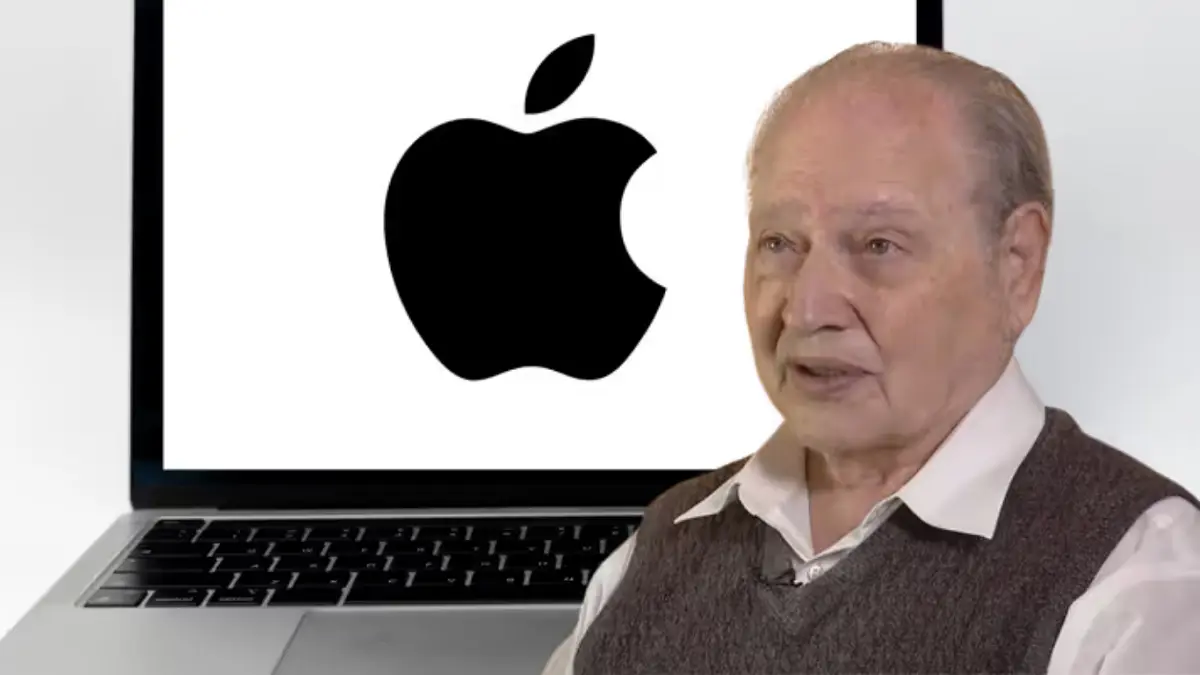
Apple co-founder Ronald Wayne exited the company for just $800 in 1976, a decision that would equate to a missed stake worth nearly $400 billion today, as the technology giant’s valuation approaches $4 trillion, according to Fortune.
The early exit, completed just 12 days after signing Apple’s founding agreement, has become one of the most widely cited cases of lost equity value in corporate history, highlighting the long-term implications of ownership decisions in high-growth companies.
Early Exit and Financial Terms
Ronald Wayne, who co-founded Apple alongside Steve Jobs and Steve Wozniak on April 1, 1976, originally held a 10% ownership stake in the company. Jobs and Wozniak each held 45% stakes under the initial partnership structure.
Ronald Wayne stake has been sold back to the co-founders for $800 within less than two weeks of the agreement. He later received an additional $1,500 to formally relinquish all future claims to the company, bringing his total compensation to $2,300.
The exit was formalised through a founding amendment filed on April 12, 1976, effectively removing Wayne from Apple’s tech company ownership structure at a time when the company had yet to establish a sustainable business model.
Apple’s current financial scale underscores the magnitude of Wayne’s decision. With shares trading at $267.61 and the company’s market capitalisation standing at approximately $3.96 trillion, Wayne’s original 10% stake would theoretically be valued at around $400 billion.
While analysts note that the actual value would have been diluted over time due to capital raises, stock issuances and the company’s public listing, the figure remains a benchmark for illustrating the exponential wealth creation associated with early-stage equity in successful technology firms.
The company’s growth trajectory has been reinforced by strong financial performance. Apple recently reported a 16% increase in revenue to $143.8 billion in its first fiscal quarter and is set to release its next earnings report alongside major technology peers.
Risk Exposure and Exit Rationale
Wayne’s decision to exit was driven by structural risk rather than a lack of confidence in the business concept. At the time, Apple operated as a general partnership, meaning all partners bore unlimited liability for company debts.
Unlike Jobs and Wozniak, Wayne had personal assets, including a house and a car, that could have been exposed to creditors if the company failed. The financial risk became more pronounced when Jobs secured a $15,000 loan to fulfil an early order from a Bay Area retailer with a reportedly uncertain payment history.
Given these conditions, Wayne opted to exit the partnership to protect his personal financial stability, effectively trading potential upside for reduced risk exposure.
Now 91 years old, Wayne has consistently stated that he does not regret the decision. In a statement to Fortune, he emphasised that his choice was based on the information and risk profile available at the time, rather than hindsight Apple valuation outcomes.
His case continues to be referenced in discussions around startup equity, founder risk, and the legal structures governing early-stage businesses. The general partnership model used in Apple’s early days contrasts with modern startup frameworks that typically limit liability through corporate structures.
Wayne’s experience also highlights the broader dynamics of equity dilution and capital formation. Even if he had retained his stake, subsequent funding rounds, stock splits and the company’s IPO would likely have reduced his ownership percentage over time.
Entrepreneurship Lessons and Current Relevance
Wayne’s story has gained renewed attention amid rising interest in entrepreneurship. According to recent data, nearly 38% of graduates from the classes of 2025 and 2026 are considering launching their own ventures, reflecting shifting employment trends and tighter entry-level job markets.
He has cautioned prospective founders to fully understand legal and financial risks, particularly in partnership structures where liability may extend beyond ownership share. His guidance underscores the importance of legal counsel and risk assessment in early-stage ventures.
Despite stepping away from Apple decades ago, Wayne has remained engaged in smaller business activities, including collectibles trading. He also recently appeared in a promotional campaign tied to a limited-edition product, demonstrating continued public interest in his unique place in corporate history.
Apple’s evolution from a startup with uncertain prospects to one of the world’s most valuable companies continues to frame Wayne’s decision as a defining moment in business history, illustrating both the risks and rewards embedded in early-stage equity ownership.