Apple’s H2 Chip Pushes Boundaries of Audio Quality and Noise Cancellation in Premium Headphones
 Taniska Kumari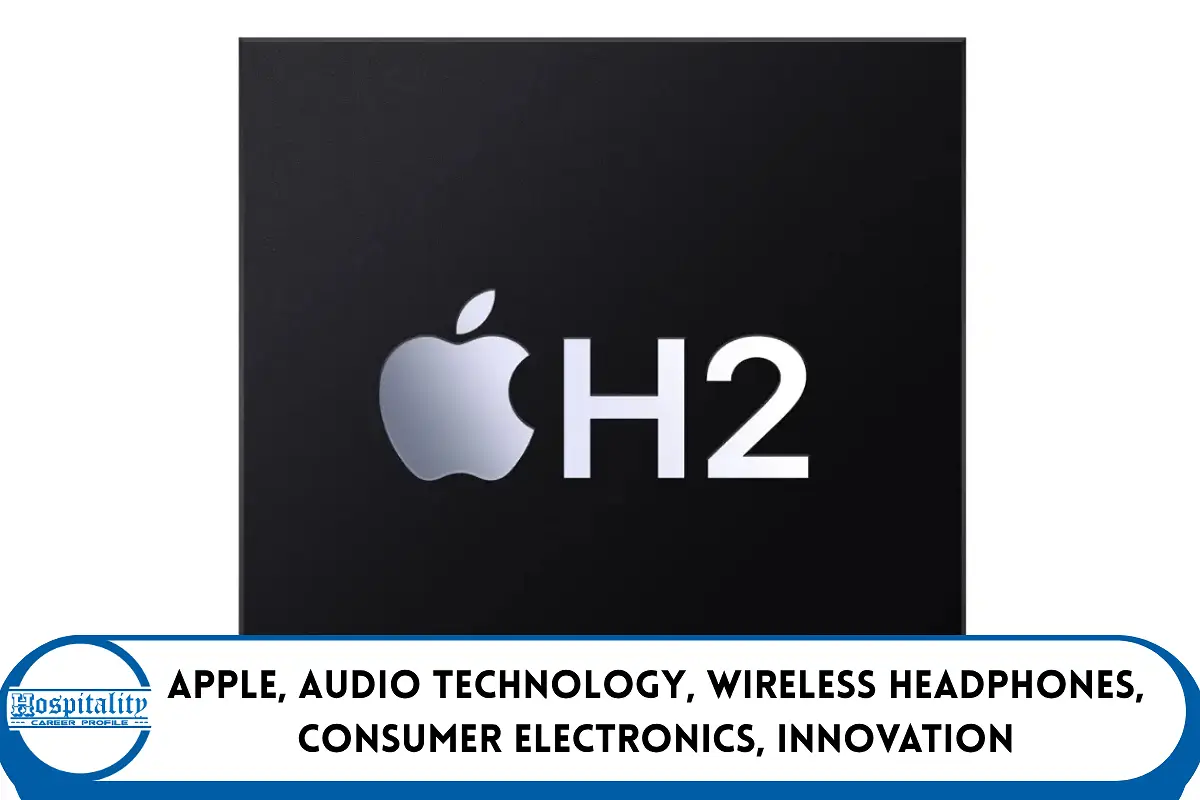
Apple is advancing its position in the premium audio market with its H2 chip, a custom-designed processor aimed at significantly improving sound quality and active noise cancellation in its wireless headphones, according to recent reports published in March 2026. The development underscores Apple’s strategy to enhance user experience through tightly integrated hardware and software systems, particularly in its high-end audio products.
Custom Silicon Driving Audio Innovation
The H2 chip represents Apple’s continued investment in custom silicon, allowing the company to control and optimize performance across its devices. Designed specifically for audio processing, the chip builds on its predecessor by delivering improved computational power, efficiency, and responsiveness.
This enhanced capability enables more accurate sound reproduction, with better clarity, deeper bass, and improved balance across frequencies. By refining how audio signals are processed in real time, the chip aims to deliver a more immersive listening experience for users across different environments.
Industry analysts note that Apple’s focus on in-house chip development provides a competitive advantage, enabling seamless integration between hardware components and software features that third-party solutions may struggle to match.
Advancements in Active Noise Cancellation
A key highlight of the H2 chip is its ability to improve active noise cancellation (ANC), a feature that has become essential in premium wireless headphones. ANC works by detecting external sounds and generating inverse sound waves to cancel them out, requiring fast and precise signal processing.
With increased processing power, the H2 chip is expected to enhance the speed and accuracy of noise cancellation, allowing users to experience greater isolation from background noise in crowded or noisy settings. This improvement is particularly relevant for commuters, travelers, and professionals working in dynamic environments.
The chip also contributes to more refined transparency modes, which allow external sounds to pass through when needed. This balance between immersion and awareness is becoming a defining feature in modern audio devices.
Improved Computational Audio Capabilities
The H2 chip plays a central role in advancing computational audio, a technology that uses algorithms to dynamically adjust sound output. Features such as adaptive equalization, spatial audio, and real-time sound optimization benefit directly from the chip’s capabilities.
Spatial audio, in particular, has become a key differentiator for Apple’s headphones, creating a three-dimensional listening experience that adjusts based on head movement and device positioning. The enhanced processing power of the H2 chip allows for more precise tracking and rendering of audio in space.
These advancements contribute to a more engaging experience for activities such as music streaming, video consumption, and gaming, where sound quality plays a critical role in user satisfaction.
Energy Efficiency and Battery Life
In addition to performance improvements, the H2 chip is designed to optimize energy consumption, addressing one of the primary concerns for wireless headphone users. Efficient power management allows devices to maintain high performance while extending battery life.
Longer battery life enables users to enjoy extended listening sessions without frequent charging, making the devices more practical for daily use. This is particularly important as consumers increasingly rely on wireless headphones for work, entertainment, and communication.
The chip’s efficiency also supports the integration of additional features without significantly impacting overall power consumption, ensuring a balanced user experience.
Seamless Integration with Apple Ecosystem
Apple’s ecosystem approach is further strengthened by the H2 chip, which enhances connectivity and interaction between devices. Features such as automatic device switching, low-latency audio streaming, and synchronized playback are expected to perform more smoothly with the upgraded processor.
The chip also enables faster pairing and improved stability across Apple devices, reinforcing the convenience and reliability that users expect from the brand. This level of integration is a key factor in maintaining customer loyalty and differentiating Apple’s products in a competitive market.
By aligning hardware capabilities with software features, Apple continues to deliver a cohesive and intuitive user experience across its product lineup.
Competitive Landscape in Premium Audio
The introduction of the H2 chip comes amid intense competition in the wireless audio market, where companies are investing heavily in sound quality, noise cancellation, and smart features. Premium headphones have become a key segment, driven by growing consumer demand for high-performance audio solutions.
Apple’s emphasis on custom silicon and ecosystem integration positions it strongly against competitors that rely on third-party components. This strategy allows the company to introduce unique features and maintain tighter control over product performance.
Analysts suggest that continued innovation in areas such as ANC and computational audio will play a significant role in shaping consumer preferences and driving market growth.
User Experience and Market Impact
The enhancements brought by the H2 chip are expected to improve overall user satisfaction, offering clearer sound, better noise isolation, and longer battery life. These factors are critical in influencing purchasing decisions, particularly in the premium segment.
Retailers anticipate increased interest in Apple’s upcoming audio products, as consumers seek devices that deliver both performance and convenience. The chip’s capabilities may also encourage upgrades among existing users looking for improved audio experiences.
The broader market impact could include increased competition and innovation, as other manufacturers respond with their own advancements in audio technology.
Future Outlook for Audio Technology
Looking ahead, the H2 chip is likely to serve as a foundation for future developments in Apple’s audio ecosystem. The company is expected to continue integrating machine learning and artificial intelligence into its audio processing capabilities, enabling more adaptive and personalized experiences.
Advancements in areas such as real-time environmental awareness, voice enhancement, and immersive audio formats could further redefine how users interact with sound. These innovations are expected to play a key role in the evolution of consumer electronics.
As the demand for high-quality audio continues to grow, custom chips like the H2 are set to become increasingly important in delivering the performance and features that users expect from modern devices.
Conclusion
Apple’s H2 chip marks a significant step forward in audio technology, enhancing sound quality, noise cancellation, and efficiency, as the company continues to strengthen its position in the competitive premium headphone market.