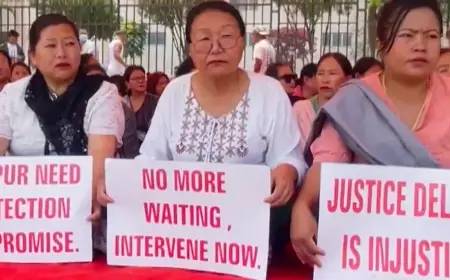
Australia Grants Protection to Iranian Women Footballers Fleeing Conflict and Repression
Australia has granted protection to Iranian women footballers seeking asylum amid conflict and restrictions, highlighting humanitarian concerns and global response.
 SANJANA DUTTA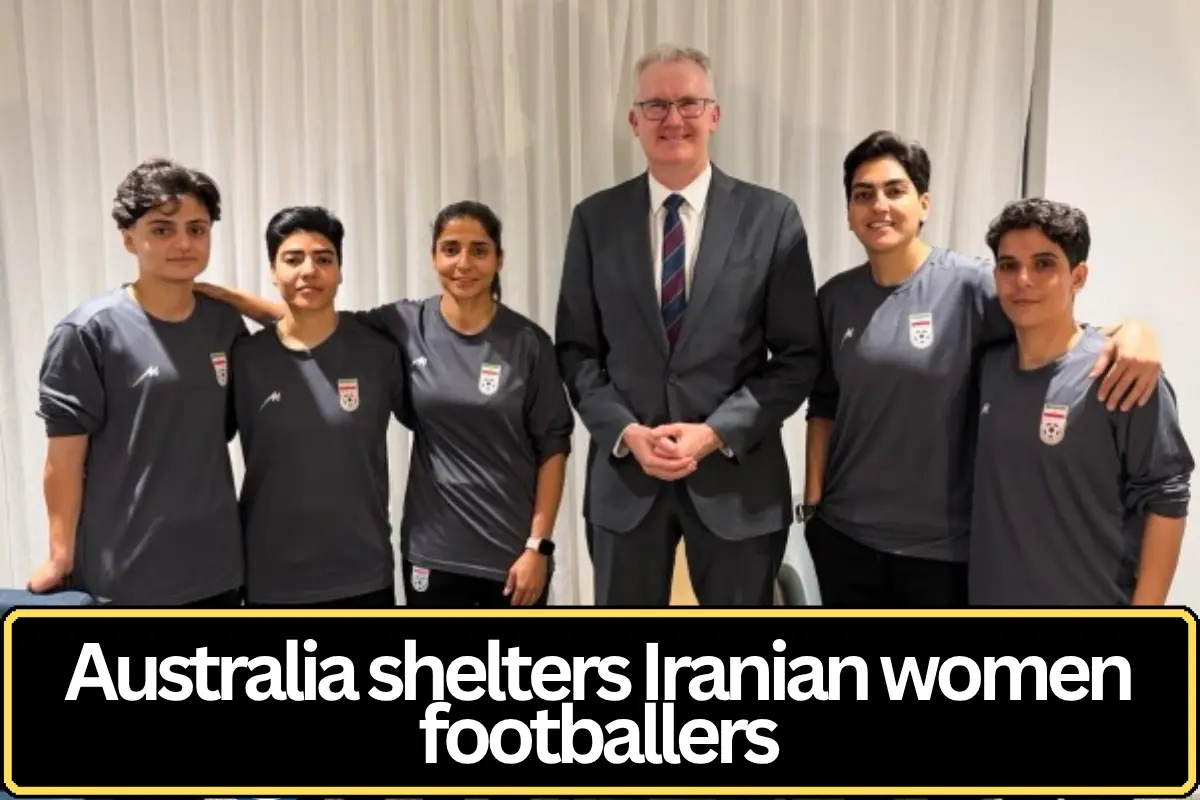
Australia Grants Protection to Iranian Women Footballers
Australia has granted protection to a group of Iranian women footballers who sought asylum after fleeing their home country amid escalating conflict and increasing restrictions on women’s rights, officials confirmed in March 2026. The decision comes as global attention intensifies on the humanitarian consequences of the ongoing Iran-related crisis, with the athletes citing safety concerns and fear of persecution as key reasons for their departure.
The players, who had traveled abroad for sporting engagements, chose not to return to Iran, instead applying for asylum in Australia. Authorities assessed their claims and determined that they faced credible risks if forced to go back, granting them protection under humanitarian provisions.
Fleeing Conflict and Social Restrictions
The women’s decision to seek asylum reflects broader concerns about conditions in Iran, where ongoing conflict and internal policies have created an increasingly difficult environment for athletes, particularly women. Restrictions on participation in sports, limitations on public life, and concerns over personal freedoms have been cited as contributing factors.
In addition to the security risks associated with regional tensions, the players reportedly feared repercussions linked to their public visibility and involvement in international sports. Such concerns have grown as the political and social climate in Iran continues to evolve amid external and internal pressures.
Analysts note that athletes, especially those representing their country abroad, often face heightened scrutiny, making them vulnerable in politically sensitive situations.
Australia’s Humanitarian Response
Australia’s decision to grant protection underscores its commitment to international refugee obligations and humanitarian principles. Immigration authorities conducted detailed assessments of the players’ cases, considering both the broader context of instability and the specific risks faced by the individuals.
Officials emphasized that the decision was based on established legal criteria, including the likelihood of persecution and the inability of applicants to safely return to their country of origin. The move aligns with Australia’s broader policy of offering refuge to individuals facing credible threats to their safety and rights.
The case has drawn attention within Australia, with public and political discussions focusing on the balance between immigration controls and humanitarian responsibilities.
Global Spotlight on Women in Sports
The situation has also highlighted challenges faced by women in sports in regions affected by conflict and restrictive policies. Advocacy groups have pointed to the Iranian players’ case as an example of the intersection between politics, gender rights, and athletics.
Women athletes in such environments often encounter barriers that limit their participation and expose them to additional risks. These challenges can include restrictions on training, competition, and travel, as well as broader societal constraints.
International sports organizations and human rights groups have increasingly called for greater support and protection for athletes facing such conditions, emphasizing the role of sport as a platform for empowerment and expression.
Reactions From International Community
The granting of asylum has prompted reactions from various quarters, including human rights organizations, sports bodies, and political observers. Many have welcomed the decision as a positive step in addressing the needs of vulnerable individuals affected by geopolitical tensions.
At the same time, the case has drawn attention to the broader issue of displacement resulting from conflict and repression. The Iranian situation, in particular, has led to increased scrutiny of policies affecting women and public life.
Observers note that such cases often serve as indicators of deeper systemic challenges, prompting calls for international engagement and reform.
Impact on Iran’s Sporting Landscape
The departure of athletes seeking asylum could have implications for Iran’s sporting landscape, particularly in women’s football. The loss of players may affect team dynamics and international participation, while also highlighting underlying issues within the system.
Sports analysts suggest that such developments can influence perceptions of a country’s commitment to supporting athletes and promoting inclusivity. The situation may also impact future participation in international competitions, depending on how it is addressed by authorities.
The broader impact will depend on both domestic responses and international engagement with the issue.
Legal and Policy Considerations
The case underscores the complexities involved in asylum decisions, particularly when applicants are public figures or athletes. Authorities must balance legal frameworks with humanitarian considerations, ensuring that decisions are both fair and consistent.
Australia’s approach reflects established international standards, including obligations under refugee conventions. However, each case is assessed individually, taking into account specific circumstances and evidence.
Legal experts note that such cases can set important precedents, influencing future decisions and shaping policy discussions.
Broader Humanitarian Context
The Iranian women footballers’ case is part of a wider pattern of displacement linked to conflict, political tensions, and social restrictions. As global instability increases, more individuals are seeking refuge in countries that can offer safety and protection.
Humanitarian organizations emphasize the importance of coordinated international responses to address these challenges, including support for refugees and efforts to resolve underlying causes of displacement.
The role of host countries remains critical in providing immediate assistance while working with global partners to find long-term solutions.
Future Prospects for the Players
With protection granted, the Iranian footballers are expected to begin rebuilding their lives in Australia, including the possibility of continuing their sporting careers. Opportunities within local leagues and training programs may provide pathways for integration and development.
Support systems, including community organizations and sports networks, are likely to play a key role in helping the players adapt to their new environment. Their experiences may also contribute to broader awareness of the challenges faced by athletes in similar situations.
Observers note that their journey highlights both the risks and resilience associated with pursuing opportunities under difficult circumstances.
Conclusion
Australia’s decision to grant protection to Iranian women footballers underscores the intersection of humanitarian concerns, global conflict, and the challenges faced by women in sports.
Current Status
The players have been granted protection in Australia and are beginning the process of resettlement as international attention continues on the humanitarian impact of the Iran crisis.