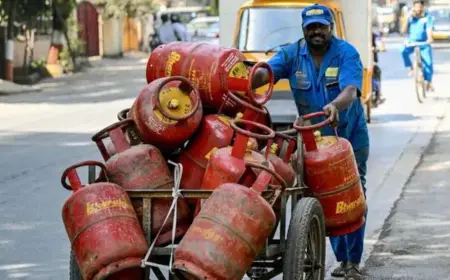
Bangladesh Faces Tk 36,000 Crore Extra Energy Subsidy Burden Amid Global Price Surge
Bangladesh may need Tk 36,000 crore in additional energy subsidies as global fuel and LNG prices more than double, raising fiscal and forex pressures.
 Tripti Srivastava
Bangladesh is set to incur an additional Tk 36,000 crore in energy subsidies during March–June of the current fiscal year, as global fuel and LNG prices surge sharply, Finance Minister Amir Khasru Mahmud Chowdhury said, highlighting mounting fiscal and external pressures on the economy.
Speaking in the National Parliament on April 10 under Rule 300, the minister outlined the financial strain caused by the rapid escalation in international energy prices, which have more than doubled amid ongoing geopolitical tensions in the Middle East.
Rising Subsidy Burden
The government will need to allocate approximately Tk 36,000 crore in additional subsidies for power, fuel, and LNG sectors beyond the original budgetary provisions. This increase comes in response to steep import costs driven by global market volatility.
The minister noted that the surge in energy prices has significantly altered fiscal projections for the ongoing financial year, forcing the government to reassess its subsidy commitments to maintain domestic price stability.
The additional spending requirement reflects the government’s continued reliance on subsidies to cushion consumers and industries from sharp price fluctuations in international markets.
The expanded subsidy outlay is expected to widen the country’s budget deficit, adding pressure to already stretched public finances. The government had initially planned its fiscal framework based on more stable energy price assumptions, which have since been disrupted.
According to the finance minister, the unforeseen rise in global fuel and LNG prices has created a gap between projected and actual expenditure, necessitating additional borrowing or fiscal adjustments to meet the shortfall.
The increased deficit may also limit the government’s fiscal flexibility in other areas, including development spending and social sector investments.
Foreign Exchange Pressure Mounts
Beyond fiscal challenges, Bangladesh is also facing significant pressure on its foreign exchange reserves. The country will require an additional $3 billion to finance higher energy imports during the same period, further straining external balances.
The rise in import costs reflects the country’s dependence on imported fuel and LNG to meet domestic energy demand. As global prices climb, the cost of securing these supplies has increased sharply, impacting the balance of payments.
The additional foreign currency requirement comes at a time when many emerging economies are grappling with tighter global liquidity and volatile capital flows.
The sharp increase in energy prices has been linked to ongoing geopolitical tensions in the Middle East, particularly the Iran–Israel conflict, which has disrupted supply chains and heightened uncertainty in global energy markets.
The finance minister noted that the crisis began shortly after the new government assumed office, introducing unexpected risks to international trade and energy supply dynamics.
Fuel oil and LNG prices have more than doubled in the international market, reflecting supply constraints and heightened risk premiums associated with the conflict.
Economic Outlook and Policy Challenges
The combined impact of higher subsidies, a widening fiscal deficit, and increased import costs underscores the challenges facing Bangladesh’s economic management in the current environment.
Maintaining energy affordability while ensuring fiscal sustainability will remain a key policy priority for the government in the coming months. The situation also highlights the vulnerability of energy-importing economies to external shocks.
As global uncertainties persist, policymakers are likely to focus on balancing subsidy support with measures to protect macroeconomic stability, including managing reserves and controlling inflationary pressures.