Biovac Secures €75M Backing to Build Africa’s First Multi-Vaccine Facility
Biovac receives €75 million investment from EIB, European Commission, and IFC to expand vaccine production in Africa and create over 7,000 jobs.
 Tripti Srivastava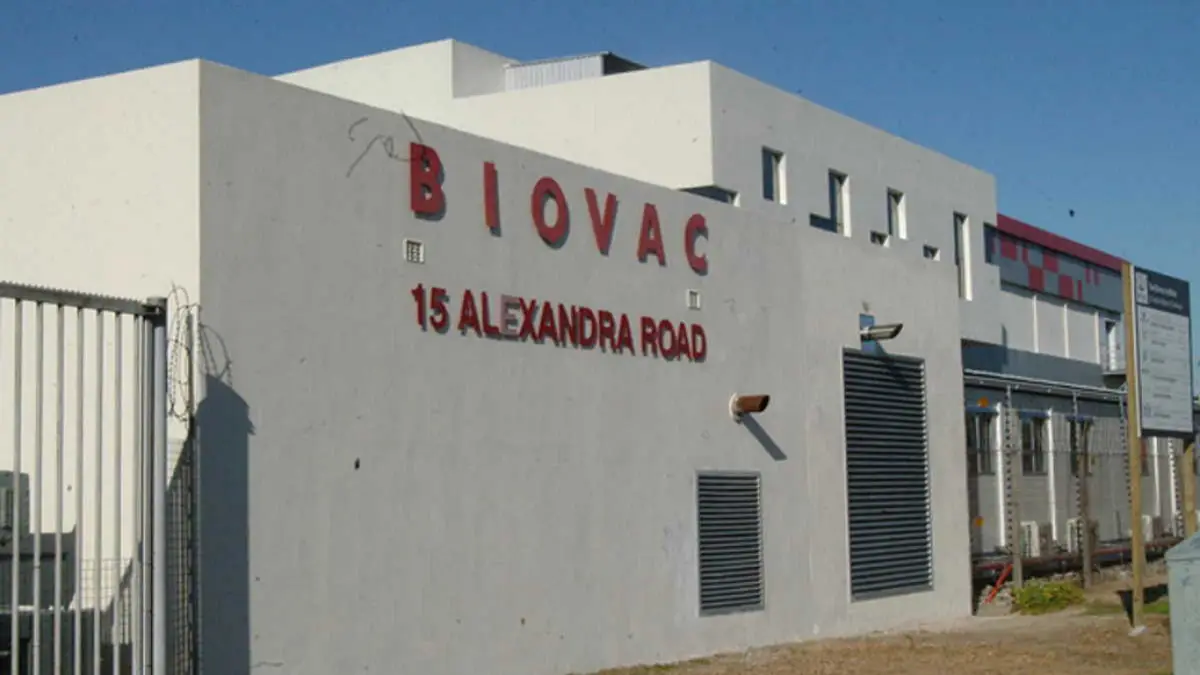
Biovac has secured a €75 million investment to expand vaccine production capacity in Africa, marking a major step toward establishing the continent’s first end-to-end multi-vaccine manufacturing facility. The funding is expected to support large-scale production capabilities and generate more than 7,000 jobs, thereby strengthening regional healthcare infrastructure.
The €75 million funding has been structured as a quasi-equity investment led by the EIB Group, forming the cornerstone of the broader financing package. The IFC, acting as the mandated lead arranger, has also contributed a $20 million senior loan, with additional funding mobilisation underway.
This blended financing approach aims to de-risk the project while attracting further private and institutional capital. It reflects a growing trend of development finance institutions supporting strategic healthcare infrastructure through innovative funding mechanisms.
Approximately half of the manufacturing equipment for the facility will be sourced from European suppliers, reinforcing industrial collaboration between Europe and Africa while ensuring adherence to international quality and technical standards.
Manufacturing Capacity and Production Plans
The facility, scheduled for completion by 2028, will initially focus on producing oral cholera vaccines, with an annual capacity of 30 to 40 million doses. This output is expected to address roughly 40% of the global supply gap for cholera vaccines.
Over time, the plant will expand its production portfolio to include vaccines for polio (IPV), pneumonia (PCV), and meningitis (MenX), enabling a diversified manufacturing base within the region.
The vaccines produced are expected to be distributed through international procurement channels such as UNICEF and Gavi, the Vaccine Alliance, supporting broader immunization programs across developing markets.
Job Creation and Economic Impact
The expansion is projected to create over 340 direct skilled jobs and approximately 7,000 indirect employment opportunities, contributing significantly to local economic development. The initiative is also expected to drive technology transfer, skills development, and innovation within the pharmaceutical sector.
By establishing advanced manufacturing capabilities, the project aims to reduce Africa’s dependence on imported vaccines while strengthening domestic supply chains and healthcare resilience.
Officials emphasised that the investment will have long-term economic benefits by fostering industrial growth and enhancing the continent’s ability to respond to future health crises.
The project aligns with the African Union’s Vision 2040 target of producing 60% of the continent’s vaccines locally. It also supports broader global health objectives by improving access to essential immunisations and enhancing pandemic preparedness.
In addition, the investment complements the African Vaccine Manufacturing Accelerator (AVMA) initiative, which includes a €611 million commitment from Team Europe and global partners to scale up vaccine production capacity across Africa.
The initiative is also linked to several United Nations Sustainable Development Goals, particularly those focused on health, industry, and economic growth, underscoring its multi-dimensional impact.
Strengthening Global Health Partnerships
The collaboration between European institutions and African manufacturers reflects a growing emphasis on regionalising critical healthcare production. By supporting local manufacturing ecosystems, global partners aim to create more resilient and equitable supply chains.
The Biovac project represents a key milestone in this effort, positioning Africa to play a more active role in global vaccine production while addressing longstanding gaps in access and distribution.
With construction expected to progress over the coming years, the facility is set to become a cornerstone of Africa’s pharmaceutical manufacturing landscape, supporting both regional demand and global health initiatives.