Do Burnt Foods Increase Cancer Risk? Experts Explain the Science
Health experts explain whether eating burnt foods can increase cancer risk and the role of compounds like acrylamide formed during high‑temperature cooking.
 Akanksha jain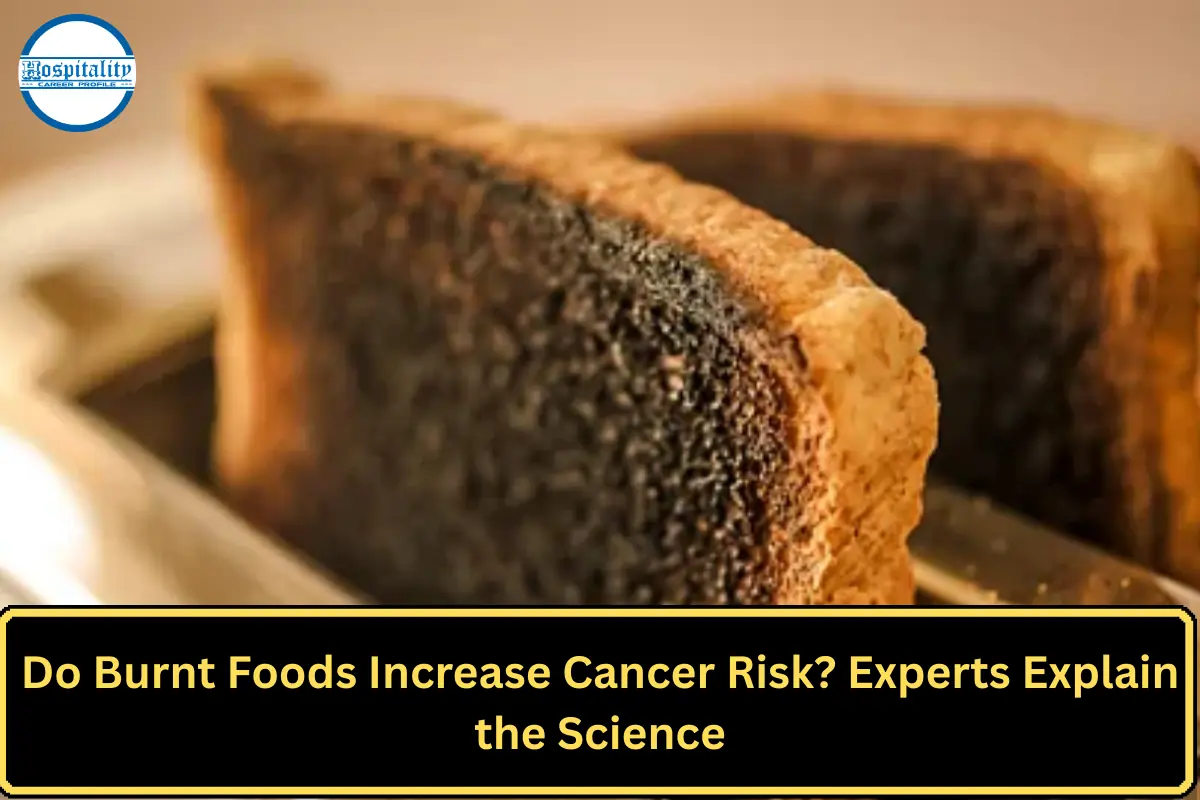
Many people enjoy grilled or toasted foods, but concerns have long existed about whether eating burnt food could increase the risk of health problems. Health experts say the concern comes from certain chemicals that can form when foods are cooked at very high temperatures.
When foods such as bread, potatoes, or meat are overcooked or charred, substances like acrylamide and other compounds may develop during the cooking process.
How These Compounds Form
Acrylamide can form when starchy foods are fried, baked, or roasted at high temperatures. The chemical develops during a natural reaction between sugars and amino acids in food when exposed to intense heat.
Similarly, grilling or charring meat can produce other potentially harmful chemicals when fat and juices drip onto flames and create smoke that coats the food.
What Research Says About Cancer Risk
Studies in animals have shown that high levels of acrylamide exposure may increase the risk of certain cancers. However, scientists say the evidence in humans is less clear.
Researchers emphasize that the amounts typically consumed through normal diets are generally much lower than the doses used in laboratory studies.
Ways to Reduce Potential Risks
Health experts suggest simple steps to reduce exposure to these compounds while cooking:
- Avoid heavily charring or burning foods.
- Cook foods until golden rather than dark brown or black.
- Use lower cooking temperatures when possible.
- Turn food frequently while grilling to prevent burning.
A balanced diet remains most important. Nutrition specialists stress that overall dietary habits play a much bigger role in long‑term health than occasional exposure to burnt food.
Eating a balanced diet rich in fruits, vegetables, whole grains, and lean proteins remains one of the most effective ways to support long‑term health and reduce disease risk.