Cancer Diagnoses Rising Among Indians in Their 30s and 40s, Experts Warn
Doctors report a rise in cancer diagnoses among working-age Indians in their 30s and 40s, citing lifestyle changes, environmental factors, and improved detection.
 Akanksha jain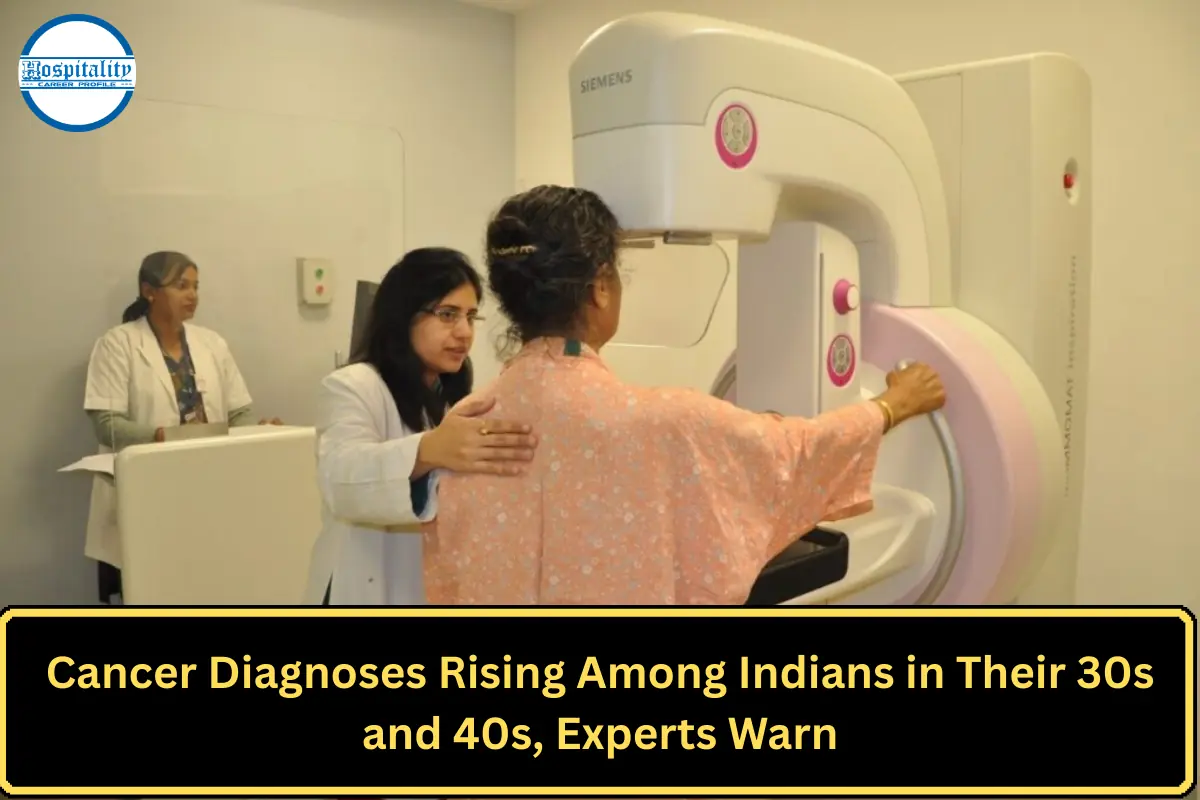
Cancer diagnoses are increasingly being reported among Indians in their 30s and 40s, raising concerns about shifting disease patterns in the working-age population, according to a report.
Medical experts note that cancer discussions were once more commonly about potential causes and the need for heightened awareness and screening.
Why the Shift?
Oncologists attribute the trend to a combination of lifestyle factors, including sedentary behavior, unhealthy diets, obesity, tobacco and alcohol use, chronic stress, and reduced physical activity. Environmental exposures and air pollution are also being examined as possible contributors.
In some cases, improved diagnostic tools and greater awareness may be leading to earlier detection rather than a true surge in incidence.
Common Cancers in Younger Adults:
Experts report rising cases of breast, colorectal, thyroid, and certain gastrointestinal cancers among individuals in their 30s and 40s. Family history and genetic predisposition remain important risk factors in some patients.
Doctors emphasize that symptoms such as unexplained weight loss, persistent fatigue, abnormal bleeding, or long-lasting digestive issues should not be ignored, even in younger adults.
Impact on Workforce and Families
A cancer diagnosis during prime working years can have significant financial, emotional, and social consequences. Patients may face disruptions to careers, caregiving responsibilities, and long-term planning.
Healthcare providers are calling for greater employer awareness and supportive workplace policies for affected individuals.
Prevention and early detection specialists recommend adopting healthier lifestyles, undergoing regular health check-ups, and participating in age-appropriate screening programs where available. Early detection significantly improves treatment outcomes for many cancers.
The emerging trend underscores the importance of preventive healthcare and timely medical consultation, particularly among younger adults who may otherwise consider themselves at low risk.