CBSE Mandates Menstrual Hygiene Measures in Schools Following Supreme Court Verdict
CBSE has mandated menstrual hygiene measures in schools after a Supreme Court verdict, requiring institutions to improve facilities and awareness for students.
 Akanksha jain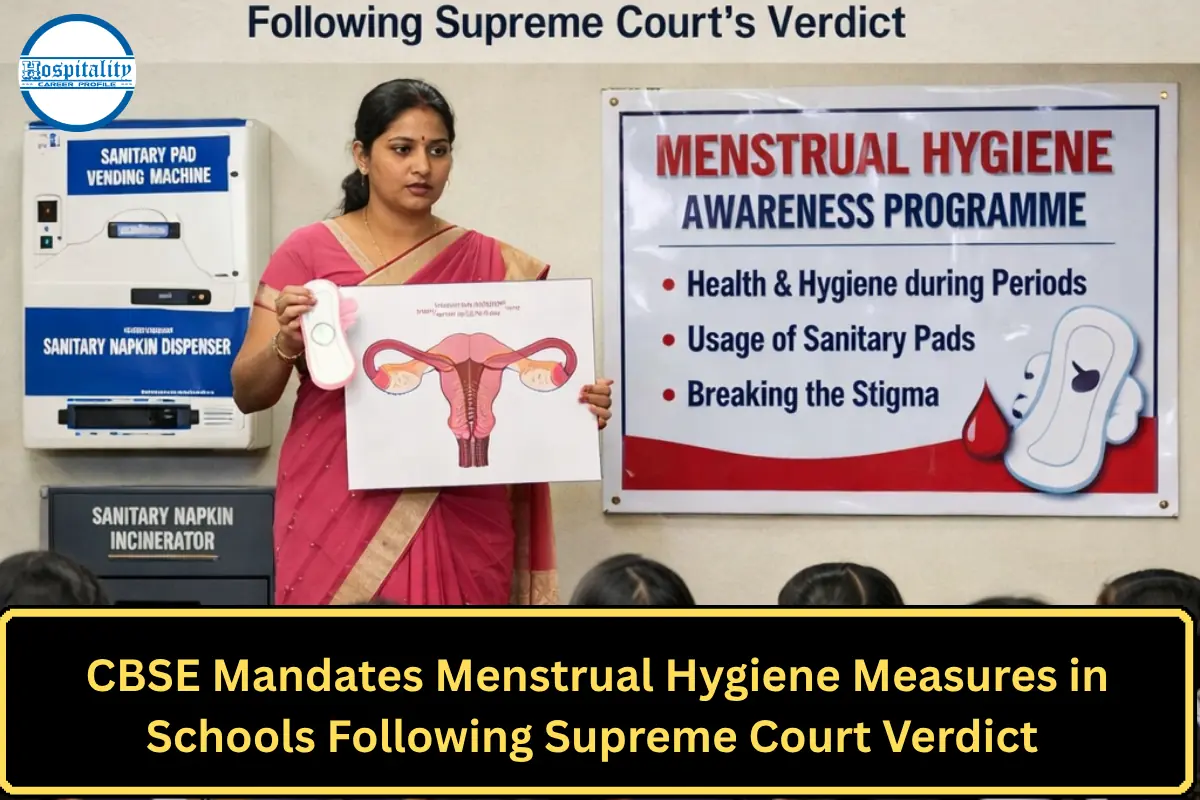
CBSE Mandates Menstrual Hygiene Measures in Schools Following Supreme Court Verdict
The Central Board of Secondary Education (CBSE) has directed all affiliated schools to implement mandatory menstrual hygiene measures following a recent Supreme Court verdict, aiming to improve sanitation, awareness, and support for female students across India. The directive, issued in March 2026, outlines compliance requirements for schools to ensure safe and dignified menstrual health management within educational institutions.
The move comes in response to growing concerns over inadequate sanitation facilities and lack of awareness, which have been linked to absenteeism and health issues among adolescent girls. The Supreme Court emphasized the need for structured policies to address menstrual hygiene as a critical aspect of student well-being and gender equality.
Key Mandates for Schools
Under the new guidelines, CBSE-affiliated schools are required to provide essential menstrual hygiene facilities, including access to clean and functional toilets, availability of sanitary products, and proper disposal mechanisms. Schools must also ensure that facilities are accessible, safe, and maintained regularly.
The directive highlights the importance of installing sanitary napkin vending machines and incinerators where feasible, enabling students to manage menstrual hygiene discreetly and safely. Schools are also expected to create designated spaces for emergency needs and ensure continuous availability of supplies.
Administrators have been instructed to conduct regular audits to monitor compliance and address gaps in infrastructure and services.
Focus on Awareness and Education
In addition to infrastructure improvements, the CBSE mandate places strong emphasis on awareness and education. Schools are required to incorporate menstrual health education into their curriculum and organize workshops, seminars, and awareness campaigns.
These initiatives aim to dispel myths and stigma associated with menstruation, fostering a supportive and informed school environment. Both students and staff are encouraged to participate in these programs to promote understanding and sensitivity.
Experts note that comprehensive education can empower students to manage their health effectively and reduce social barriers that often prevent open discussions about menstruation.
Role of Teachers and Staff
The guidelines also assign a key role to teachers and school staff in implementing menstrual hygiene measures. Staff members are expected to be trained to handle related concerns with sensitivity and provide appropriate guidance to students.
Schools are encouraged to designate female staff members or counselors as points of contact for students seeking assistance. Training programs will focus on building awareness, communication skills, and the ability to address health-related queries.
Creating a supportive environment within schools is seen as essential for ensuring that students feel comfortable discussing menstrual health issues.
Impact on Student Attendance and Health
Experts believe that improved menstrual hygiene facilities can significantly enhance school attendance among girls, particularly in rural and underserved areas. Lack of access to proper sanitation and products has been a major factor contributing to absenteeism during menstrual cycles.
By addressing these challenges, the CBSE directive aims to ensure continuity in education and reduce dropout rates. Improved hygiene practices are also expected to lower the risk of infections and other health complications.
The initiative aligns with broader efforts to promote gender equality and support the educational advancement of girls.
Supreme Court’s Role and Observations
The Supreme Court, in its verdict, underscored menstrual hygiene as a fundamental component of the right to health and dignity. The court called for coordinated action from educational authorities to ensure that all students have access to necessary facilities and information.
The ruling highlighted disparities in infrastructure across schools and stressed the importance of uniform standards to address these gaps. It also emphasized the need for accountability and regular monitoring to ensure effective implementation.
Legal experts note that the verdict sets a precedent for integrating health and sanitation considerations into education policy.
Challenges in Implementation
While the directive marks a significant step forward, challenges remain in implementing the measures across diverse school settings. Resource constraints, particularly in government and rural schools, may pose difficulties in upgrading infrastructure.
Ensuring consistent supply of sanitary products and maintaining facilities will require sustained funding and administrative commitment. Training staff and integrating awareness programs into existing curricula may also require additional resources and planning.
Experts suggest that partnerships with government agencies, non-profit organizations, and private sector stakeholders could help address these challenges.
Government and Institutional Support
The implementation of menstrual hygiene measures is expected to be supported by various government initiatives focused on sanitation and women’s health. Programs promoting clean school environments and health education are likely to complement the CBSE directive.
Collaboration between educational institutions and health departments can enhance the effectiveness of these measures. Experts recommend a multi-sectoral approach to ensure comprehensive support for students.
Monitoring mechanisms and reporting systems are expected to be strengthened to track progress and ensure compliance.
Broader Social Impact
The directive is seen as a step toward normalizing conversations around menstruation and reducing stigma in society. By addressing menstrual hygiene within schools, the initiative aims to create long-term cultural change and promote acceptance.
Improved awareness and access to facilities can empower young girls, enabling them to participate fully in educational and social activities. The move also reflects growing recognition of menstrual health as a public health priority.
Advocates believe that sustained efforts in this area can contribute to broader gender equity and social development goals.
Conclusion
The CBSE mandate on menstrual hygiene, following the Supreme Court verdict, marks a significant policy shift toward improving student health, dignity, and educational access, with schools now required to implement comprehensive measures to ensure safe and supportive environments for all students.