China Calls for Restraint as Middle East Conflict Escalation Raises Global Concerns
China has urged restraint and dialogue as escalating conflict in the Middle East raises global security and economic concerns.
 SANJANA DUTTA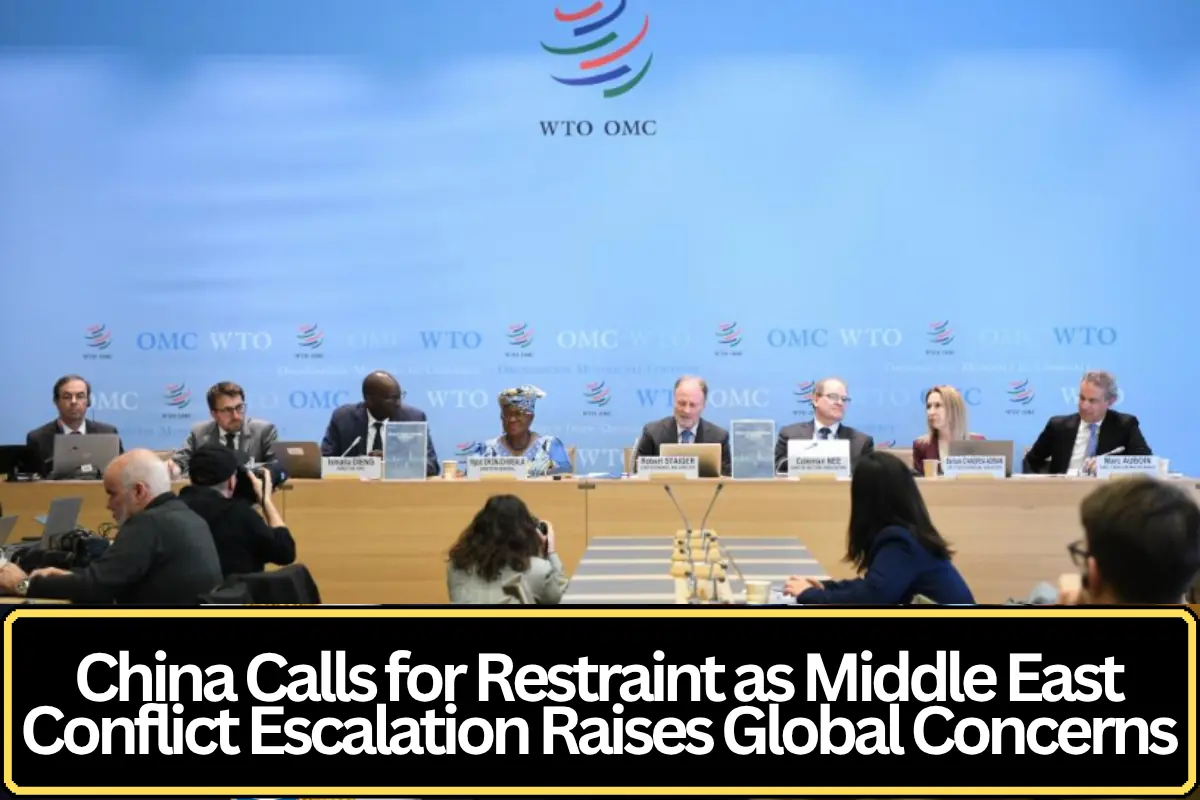
China Urges Restraint Amid Escalating Middle East Conflict
China has called for restraint and renewed diplomatic efforts as the escalating conflict in the Middle East intensifies in March 2026, raising concerns over global security and economic stability. Chinese officials urged all parties involved to avoid further escalation, emphasizing the importance of dialogue and peaceful resolution as military actions between Iran, Israel, and allied forces continue across the region.
The statement comes at a time when tensions have reached a critical point, with ongoing airstrikes, missile exchanges, and attacks on key infrastructure increasing fears of a broader regional war. Beijing’s position highlights growing international concern over the potential consequences of prolonged hostilities.
China’s Diplomatic Position
Chinese authorities reiterated their longstanding position advocating for political solutions to conflicts, stressing that military action is not a viable path to lasting peace. Officials emphasized the need for all sides to exercise maximum restraint and avoid actions that could worsen the situation.
China has called on the international community to play a constructive role in facilitating dialogue and preventing further escalation. The government also underscored the importance of respecting sovereignty and adhering to international law in addressing disputes.
Analysts note that China’s approach reflects its broader foreign policy strategy of promoting stability and multilateral engagement, particularly in regions critical to global trade and energy supply.
Rising Global Concerns
The Middle East conflict has triggered widespread concern among global powers, with fears that continued escalation could destabilize the region and disrupt international systems. The involvement of multiple actors, including major military powers, has increased the complexity of the crisis.
China’s call for restraint aligns with similar appeals from other nations and international organizations, all seeking to prevent the situation from spiraling into a larger confrontation. However, ongoing military operations suggest that achieving de-escalation may prove challenging.
Observers warn that without coordinated diplomatic efforts, the conflict could expand further, drawing in additional countries and increasing the risk of unintended consequences.
Impact on Global Economy and Energy Markets
The escalating conflict is also having significant implications for the global economy, particularly in the energy sector. The Middle East is a key supplier of oil and gas, and disruptions in the region have already contributed to volatility in global markets.
China, as one of the world’s largest energy consumers, has a strong interest in maintaining stability in the region. Any prolonged disruption to supply chains could impact industrial production, trade, and economic growth.
Chinese officials have highlighted the importance of ensuring the security of key shipping routes and infrastructure, emphasizing that stability in the Middle East is essential for global economic health.
Calls for Multilateral Cooperation
China has urged greater multilateral cooperation to address the crisis, calling on major powers to work together to reduce tensions and support diplomatic initiatives. The emphasis on collective action reflects concerns that unilateral approaches may exacerbate the situation.
Experts suggest that China may seek to position itself as a mediator or advocate for peace, leveraging its diplomatic influence to encourage negotiations. This approach aligns with its broader efforts to play a more active role in global governance.
However, the effectiveness of such efforts will depend on the willingness of conflicting parties to engage in dialogue and compromise.
Humanitarian and Security Implications
Beyond geopolitical considerations, the conflict is raising serious humanitarian concerns. Continued violence has resulted in casualties, displacement, and damage to essential infrastructure, affecting civilian populations across the region.
China has expressed concern over the humanitarian impact and called for measures to protect civilians and ensure access to aid. The government emphasized that addressing humanitarian needs should be a priority alongside diplomatic efforts.
Security risks have also expanded, with fears that instability could spread beyond the immediate conflict zones, affecting neighboring regions and global security.
Strategic Interests and Global Role
China’s response to the conflict reflects its strategic interests in maintaining stability in key regions and protecting its economic ties. The Middle East plays a crucial role in China’s energy imports and trade routes, making it a priority in its foreign policy considerations.
By advocating for restraint and dialogue, China is positioning itself as a responsible global actor committed to peaceful conflict resolution. This stance may also enhance its diplomatic standing on the international stage.
At the same time, China faces the challenge of balancing its interests with the complexities of the conflict, which involves multiple actors with competing objectives.
Outlook for Diplomatic Efforts
The success of calls for restraint will depend on developments on the ground and the willingness of parties to engage in negotiations. While diplomatic channels remain open, ongoing military actions continue to pose obstacles to meaningful progress.
China’s involvement in diplomatic efforts could play a role in shaping the trajectory of the conflict, particularly if it collaborates with other global powers and international organizations.
Observers note that sustained international pressure and coordinated action will be necessary to achieve de-escalation and prevent further deterioration of the situation.
Conclusion
China’s call for restraint underscores the urgency of addressing the escalating Middle East conflict through diplomatic means, as global concerns over security and economic stability continue to grow.
Current Status
China continues to urge dialogue and restraint as the Middle East conflict intensifies, with international efforts focused on preventing further escalation and promoting stability.