China Clears Mpox Vaccine Candidate for Clinical Trials in Push to Strengthen Infectious Disease Preparedness
China’s drug regulator has approved a new mpox vaccine candidate for clinical trials, marking a key step in strengthening infectious disease preparedness.
 Akanksha jain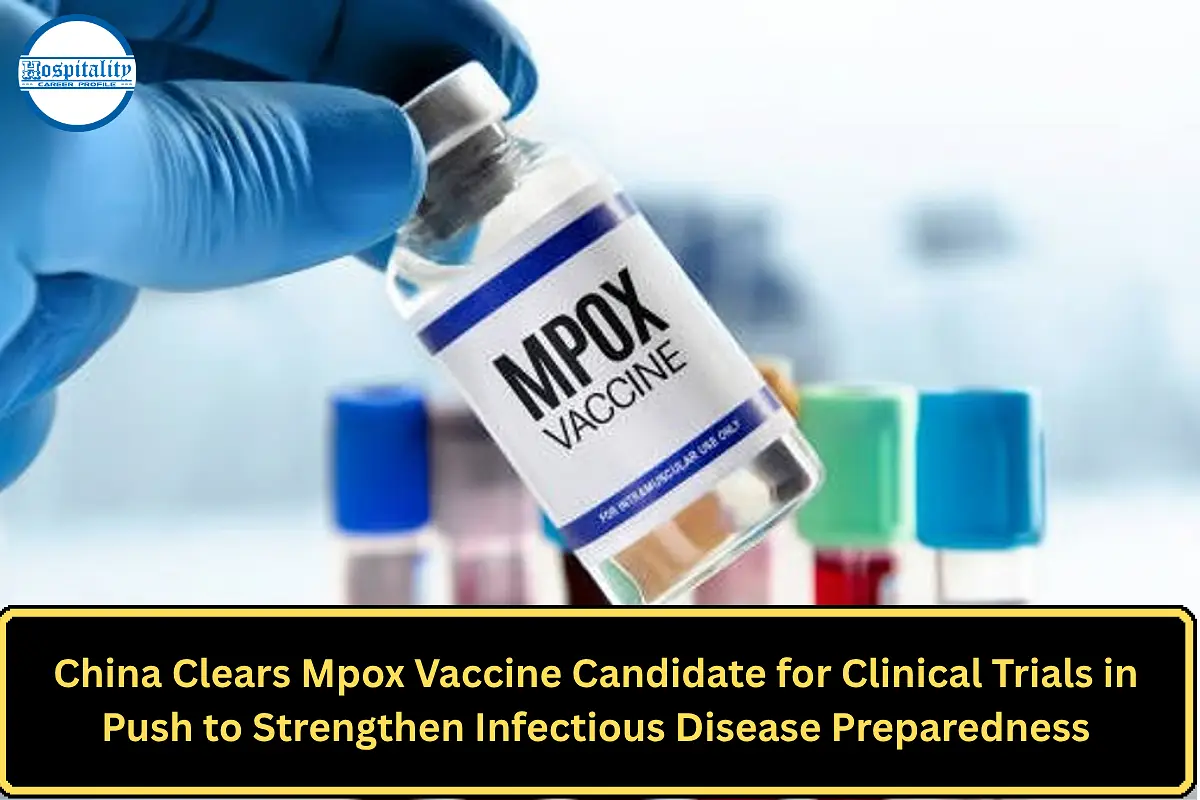
China Clears Mpox Vaccine Candidate for Clinical Trials in Push to Strengthen Infectious Disease Preparedness
China’s drug regulatory authority has approved a new vaccine candidate targeting mpox to enter clinical trials, marking a significant step in the country’s efforts to bolster its response to emerging infectious diseases, according to updates reported in April 2026. The decision enables researchers to begin testing the vaccine's safety and efficacy in human participants, as global health systems remain vigilant against potential outbreaks of the virus.
The approval comes as part of broader initiatives to strengthen pandemic preparedness and accelerate vaccine development capabilities following recent global health crises. Mpox, a viral disease previously known as monkeypox, has drawn international attention due to its sporadic outbreaks and potential for cross-border transmission.
Advancing Vaccine Development Efforts
The newly approved vaccine candidate is designed to protect against mpox by stimulating the body’s immune response to the virus. Preclinical studies have shown promising results, leading regulators to authorize the next phase of testing involving human volunteers.
Clinical trials will assess key parameters, including safety, immunogenicity, and optimal dosing. These trials are expected to take place in multiple phases, beginning with small groups of participants before expanding to larger populations to evaluate effectiveness and monitor for potential side effects.
Researchers involved in the project aim to develop a vaccine that is both effective and scalable, ensuring it can be deployed rapidly in the event of an outbreak.
Global Context of Mpox Threat
Mpox is caused by a virus related to smallpox and can lead to symptoms such as fever, rash, and swollen lymph nodes. While generally less severe than smallpox, the disease can still result in complications, particularly in vulnerable populations.
Recent years have seen a resurgence of mpox cases in various regions, prompting global health organizations to prioritize surveillance, prevention, and response strategies. Although outbreaks have been relatively contained, experts warn that the virus remains a potential public health threat.
The development of new vaccines is considered a critical component of efforts to control the spread of the disease and reduce its impact.
Regulatory Support and Fast-Track Processes
China’s regulatory approval reflects a growing emphasis on accelerating the development of vaccines and therapeutics for emerging diseases. Authorities have implemented streamlined processes to facilitate the timely evaluation of promising candidates while maintaining safety standards.
These measures are intended to reduce delays in bringing new medical interventions to market, particularly in situations where rapid response is essential. The approval of the mpox vaccine candidate highlights the role of regulatory agencies in supporting innovation in public health.
Experts note that balancing speed and safety remains a key consideration in the approval process.
Strengthening Domestic and Global Preparedness
The move is part of China’s broader strategy to enhance its capacity to respond to infectious disease threats. Investments in research infrastructure, biotechnology, and vaccine manufacturing have positioned the country as a key player in global health security.
Developing a domestic mpox vaccine could reduce reliance on international supplies and improve readiness for potential outbreaks. It may also contribute to global efforts by increasing the availability of vaccines in the international market.
Collaboration with global health organizations and research institutions is expected to play an important role in advancing these efforts.
Role of Clinical Trials in Vaccine Development
Clinical trials are a critical phase in vaccine development, providing the data needed to determine whether a candidate is safe and effective for widespread use. The trials for the mpox vaccine will follow established protocols, including rigorous monitoring and evaluation.
Participants will be closely observed for immune responses and any adverse effects, with findings informing subsequent phases of research. Successful trials could pave the way for regulatory approval and eventual distribution of the vaccine.
Researchers emphasize the importance of transparency and adherence to international standards throughout the trial process.
Challenges in Mpox Control
Despite advances in surveillance and response, controlling mpox presents several challenges. Limited awareness, variability in healthcare infrastructure, and gaps in vaccine availability can hinder effective containment efforts.
In addition, the zoonotic nature of the virus, which can be transmitted from animals to humans, complicates prevention strategies. Addressing these challenges requires a comprehensive approach that includes vaccination, public education, and strengthened health systems.
Experts stress that proactive measures are essential to prevent future outbreaks.
Implications for Public Health Policy
The approval of the vaccine candidate is likely to influence public health policy, both within China and internationally. Governments may place greater emphasis on developing and stockpiling vaccines for emerging diseases as part of their preparedness strategies.
Policymakers are also expected to focus on improving coordination between research institutions, regulatory bodies, and healthcare providers to ensure efficient deployment of vaccines when needed.
The initiative underscores the importance of investing in research and innovation to address evolving health threats.
Future Outlook for Mpox Vaccines
As clinical trials progress, researchers will continue to refine the vaccine candidate and explore its potential applications. Advances in vaccine technology, including novel platforms and delivery methods, may further enhance effectiveness and accessibility.
Global demand for mpox vaccines is expected to remain steady, particularly in regions with a higher risk of outbreaks. The successful development of new vaccines could significantly strengthen global capacity to manage the disease.
Experts remain cautiously optimistic about the potential impact of ongoing research efforts.
Conclusion
China’s approval of a new mpox vaccine candidate for clinical trials marks a key step in advancing infectious disease preparedness, with ongoing studies set to determine its role in future outbreak response strategies.