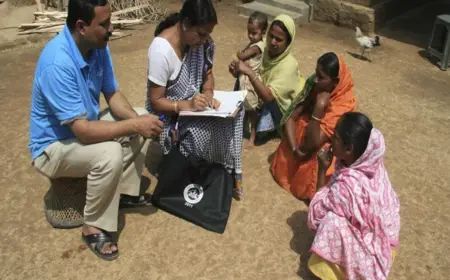
Surge in Chronic Kidney Disease Cases in Tamil Nadu Puts Pressure on State Finances
A sharp rise in chronic kidney disease cases in Tamil Nadu is increasing healthcare costs and placing significant financial strain on the state’s public health system.
 Akanksha jain
Surge in Chronic Kidney Disease Cases in Tamil Nadu Puts Pressure on State Finances
A sharp rise in chronic kidney disease (CKD) cases in the southern Indian state of Tamil Nadu is placing increasing pressure on public healthcare resources and state finances, health officials and experts said in March 2026. The growing burden of the disease is driving up treatment costs, particularly for dialysis and transplant care, while highlighting gaps in early detection and preventive healthcare.
Authorities report a steady increase in CKD prevalence across both urban and rural regions, with government hospitals witnessing a surge in patients requiring long-term care. The rise is attributed to a combination of factors, including diabetes, hypertension, aging populations, and lifestyle-related risks.
Rising Patient Load Strains Healthcare Infrastructure
Public hospitals in Tamil Nadu are experiencing a significant increase in patient inflow for kidney-related ailments. Dialysis units, in particular, are operating at near full capacity, forcing healthcare providers to expand services and allocate additional resources to meet demand.
Doctors say that many patients are being diagnosed at advanced stages of the disease, when treatment options become more complex and costly. Late diagnosis reduces the effectiveness of interventions and increases dependence on expensive procedures such as dialysis and kidney transplants.
The growing patient load is not only straining infrastructure but also putting pressure on healthcare workers, who must manage higher caseloads while maintaining quality of care.
Financial Burden on the State
The surge in CKD cases is significantly impacting the state’s healthcare budget. Government-funded treatment programs, including free or subsidized dialysis services, are seeing rising expenditures as more patients require long-term care.
Healthcare economists note that CKD is among the most resource-intensive chronic conditions due to the recurring nature of treatment. Dialysis, which must often be performed multiple times a week, represents a substantial and ongoing cost for public health systems.
In addition to direct treatment costs, the state is also bearing indirect economic burdens, including loss of productivity and increased demand for social support services for affected families.
Link to Lifestyle Diseases
Medical experts highlight a strong link between CKD and non-communicable diseases such as diabetes and hypertension, both of which are on the rise in India. Poor dietary habits, sedentary lifestyles, and lack of regular health screenings are contributing to the growing prevalence of these conditions.
In Tamil Nadu, the increasing incidence of diabetes has been identified as a major driver of kidney disease. High blood sugar levels over time can damage kidney function, leading to chronic complications if not managed effectively.
Hypertension is another key risk factor, as prolonged high blood pressure can impair blood vessels in the kidneys, reducing their ability to function properly.
Challenges in Early Detection
One of the major challenges in addressing CKD is the lack of early diagnosis. The disease often progresses silently, with symptoms appearing only in later stages. As a result, many patients seek medical attention only when significant kidney damage has already occurred.
Health officials emphasize the need for increased screening and awareness programs to identify at-risk individuals earlier. Regular testing for kidney function, particularly among patients with diabetes and hypertension, is seen as critical to reducing disease progression.
However, access to diagnostic services remains uneven, particularly in rural areas where healthcare infrastructure may be limited.
Government Response and Policy Measures
The Tamil Nadu government has been expanding its healthcare programs to address the growing burden of kidney disease. Initiatives include increasing the number of dialysis centers, enhancing capacity in government hospitals, and providing financial assistance for treatment.
Officials are also focusing on preventive healthcare measures, such as promoting awareness about lifestyle changes and encouraging routine health check-ups. Public health campaigns aim to educate citizens about the importance of managing risk factors like diabetes and hypertension.
Despite these efforts, experts warn that current measures may not be sufficient to keep pace with the rising number of cases. Long-term strategies, including investment in primary healthcare and early detection systems, are needed to effectively manage the crisis.
Impact on Patients and Families
The rise in CKD cases is having a profound impact on patients and their families. Even with government support, the cost of treatment can be burdensome, particularly for those requiring frequent dialysis or transplants.
Patients often face challenges such as travel to treatment centers, loss of income due to illness, and emotional stress associated with long-term care. Families may also experience financial strain as they support affected members.
Healthcare providers stress the importance of comprehensive support systems, including counseling and social assistance, to help patients cope with the challenges of the disease.
Need for Sustainable Solutions
Experts emphasize that addressing the CKD surge requires a multifaceted approach that goes beyond treatment. Preventive healthcare, early diagnosis, and effective management of underlying conditions are critical to reducing the overall burden.
Investment in healthcare infrastructure, workforce training, and community-based interventions will be essential in building a more resilient system. Collaboration between government agencies, healthcare providers, and community organizations is also seen as key to tackling the issue.
In addition, leveraging technology, such as digital health tools and telemedicine, could improve access to care and enable better monitoring of patients with chronic conditions.
Outlook
The rising incidence of chronic kidney disease in Tamil Nadu underscores the broader challenges facing India’s healthcare system in managing non-communicable diseases. Without significant improvements in prevention and early detection, the financial and human costs are expected to continue rising.
For now, the state is working to expand treatment capacity and strengthen public health measures, but the growing burden of CKD remains a pressing concern requiring sustained and coordinated action.