Scientists Identify Mechanism Linking Chronic Stress to Accelerated Immune Aging
Researchers have identified a biological mechanism showing how chronic stress may accelerate aging in the immune system, offering new insights into long-term health risks associated with prolonged stress exposure.
 Akanksha jain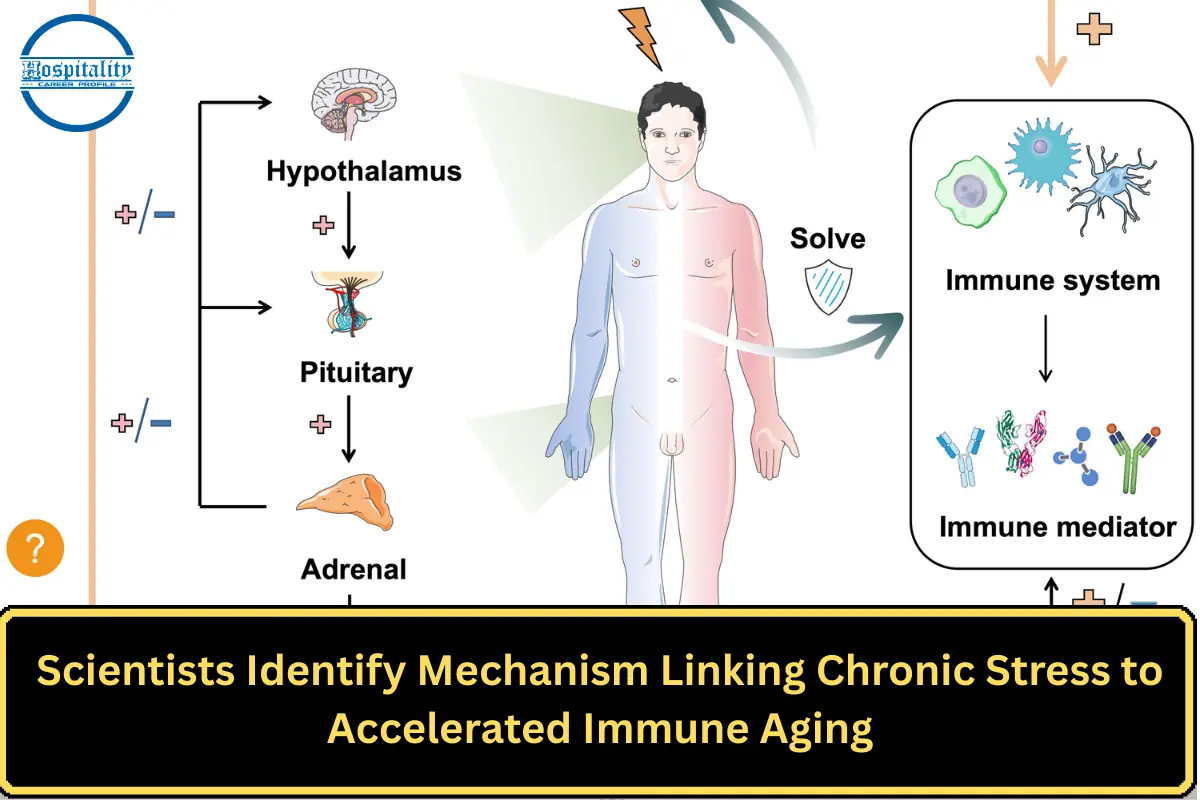
Researchers Discover Biological Link Between Chronic Stress and Immune System Aging
Scientists have identified a biological mechanism that may explain how prolonged psychological stress contributes to accelerated aging of the immune system, according to research published in March 2026. The study, conducted by a team of biomedical researchers investigating the long-term effects of stress on human health, provides new evidence that chronic stress can weaken immune defenses by altering the function of key immune cells.
The research examined how ongoing stress exposure affects the body’s immune response over time. By analyzing biological samples and immune system activity, investigators found that persistent stress may trigger molecular changes that gradually impair the immune system’s ability to respond effectively to infections and other health threats.
Researchers say the findings offer important insights into the biological pathways through which stress can influence overall health, potentially increasing vulnerability to illness as individuals age.
Understanding the Body’s Response to Stress
The human body reacts to stress through a complex network of hormonal and neurological signals designed to help individuals respond to immediate challenges. During short-term stress, the body releases hormones such as cortisol and adrenaline, which temporarily enhance alertness and energy levels.
However, when stress becomes chronic, the prolonged activation of these biological systems can begin to affect multiple organs and physiological processes. Health experts have long suspected that sustained stress may weaken the immune system, but the exact mechanisms behind this effect have remained difficult to identify.
The new study sought to understand how long-term stress influences immune system behavior at the cellular and molecular levels. Researchers focused on immune cells responsible for identifying and eliminating harmful pathogens, including viruses and bacteria.
The findings suggest that repeated exposure to stress signals may alter how these immune cells develop and function, potentially reducing their effectiveness over time.
Impact on Immune Cell Function
The study found that chronic stress may accelerate changes in immune cells similar to those typically associated with aging. As the immune system ages, certain immune cells lose their ability to multiply and respond quickly to infections. This process, sometimes referred to as immune aging, can leave individuals more susceptible to disease.
Researchers observed that stress-related biological signals appear to influence the lifespan and behavior of immune cells. Over time, these changes may reduce the immune system’s ability to generate strong responses against pathogens.
In particular, scientists noted alterations in the activity of immune cells that play a central role in coordinating the body’s defense against infection. When these cells become less effective, the body may struggle to mount a rapid response when exposed to harmful microorganisms.
The research indicates that chronic stress could therefore accelerate processes that normally occur gradually as part of natural aging.
Broader Health Implications
Medical researchers have increasingly recognized stress as a significant factor influencing long-term health outcomes. Chronic stress has been associated with a range of health conditions, including cardiovascular disease, metabolic disorders, and mental health challenges.
The latest findings add to growing evidence that prolonged stress may also play a role in weakening the immune system. A reduced immune response could increase vulnerability to infections and potentially affect how the body responds to vaccines and medical treatments.
Public health experts say understanding the biological relationship between stress and immune function may help inform strategies aimed at improving long-term health outcomes. Identifying the mechanisms behind stress-related immune changes could support future research into interventions designed to protect immune health.
Researchers note that while stress is a common part of daily life, persistent or unmanaged stress may have measurable biological consequences.
Scientific Methods Used in the Study
To investigate the effects of stress on immune aging, the research team used a combination of laboratory analysis and biological monitoring techniques. These methods allowed scientists to observe how immune cells respond to prolonged stress-related signals at a molecular level.
The study included a detailed examination of cellular markers associated with immune aging. By tracking these markers, researchers were able to identify patterns indicating that chronic stress may accelerate changes normally associated with aging immune systems.
Scientists also analyzed how stress-related hormones interact with immune cells. The results suggest that these hormones may influence the regulation of immune cell development and survival.
Researchers emphasize that such experimental approaches help clarify complex biological interactions that are difficult to observe through clinical observation alone.
Importance of Managing Long-Term Stress
The findings highlight the importance of addressing chronic stress as part of overall health management. Healthcare professionals often encourage strategies that help individuals manage stress more effectively, including physical activity, social support, and healthy lifestyle habits.
While the study focused primarily on biological mechanisms rather than specific treatments, scientists say the research reinforces the idea that psychological and emotional well-being are closely linked to physical health.
Experts note that stress management approaches can vary widely depending on individual circumstances. Programs designed to promote mental health, workplace well-being, and community support systems may all play a role in reducing the long-term effects of chronic stress.
By identifying how stress influences immune function, researchers hope to better understand how lifestyle and environmental factors contribute to disease risk.
Future Directions for Stress and Immunology Research
The study’s authors say further research will be needed to explore how the newly identified mechanisms operate across different populations and health conditions. Scientists are particularly interested in understanding whether certain individuals may be more vulnerable to stress-related immune changes.
Future investigations may also examine how factors such as age, genetics, and environmental influences interact with stress to affect immune health. Researchers hope that expanded studies will help clarify the long-term medical implications of chronic stress exposure.
Another area of interest involves identifying potential interventions that could reduce or reverse stress-related changes in immune function. Such research may eventually contribute to new approaches for protecting immune health over time.
Understanding the biological pathways linking stress and immune aging could also provide valuable insights for fields such as gerontology, immunology, and public health.
Growing Interest in the Health Effects of Stress
Scientific interest in the health effects of stress has grown significantly in recent decades as researchers explore how psychological factors influence physical health. Studies have examined links between stress and conditions ranging from heart disease to metabolic disorders.
The immune system has emerged as a particularly important area of investigation because it plays a central role in protecting the body against illness. Understanding how stress affects immune responses may help explain why individuals experiencing prolonged stress sometimes show increased vulnerability to disease.
Researchers say that integrating knowledge from neuroscience, endocrinology, and immunology will be essential for fully understanding how stress influences biological systems throughout the body.
The new findings contribute to a growing body of research aimed at uncovering the complex biological relationships between mental health, stress, and physical well-being.
Scientists involved in the research say the discovery of a potential mechanism linking chronic stress to immune aging represents an important step toward understanding how long-term stress can affect human health.