COCOON Trial Protocol Cuts Skin Toxicities by Half in Lung Cancer Treatment
A new COCOON trial protocol has been shown to reduce skin toxicities by 50% in lung cancer patients undergoing targeted therapy, improving treatment tolerance and patient outcomes.
 Akanksha jain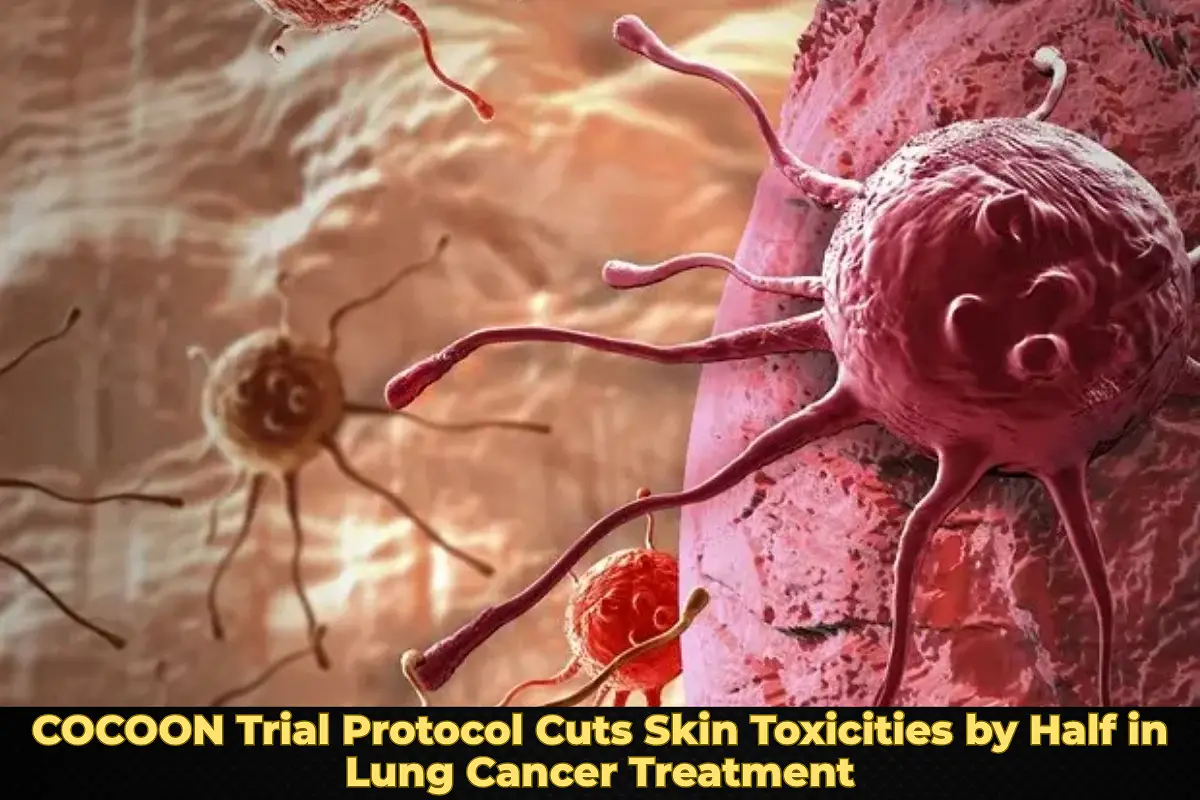
COCOON Trial Protocol Cuts Skin Toxicities by Half in Lung Cancer Treatment
A new clinical protocol developed under the COCOON trial has reduced skin-related side effects by nearly 50% in patients undergoing treatment for lung cancer, researchers reported in April 2026, marking a significant step toward improving tolerability and outcomes in cancer care. The study focused on patients receiving targeted therapies, where dermatological toxicities are a common and often limiting complication.
The COCOON trial, conducted across multiple research centers, evaluated a structured prevention and management strategy designed to minimize skin toxicities associated with modern lung cancer treatments. These therapies, while effective in targeting cancer cells, frequently cause rashes, inflammation, and other skin issues that can impact quality of life and lead to treatment interruptions.
Addressing a Common Challenge in Cancer Therapy
Skin toxicities are among the most frequent side effects of targeted cancer therapies, particularly those used in treating advanced lung cancer. These adverse reactions can range from mild irritation to severe conditions requiring dose reductions or discontinuation of treatment.
Oncologists have long recognized the need for better strategies to manage these side effects, as they can compromise both patient comfort and treatment effectiveness. The COCOON protocol was designed to address this gap by introducing a proactive, standardized approach to skin care during therapy.
Researchers emphasized that improving the management of side effects is critical to ensuring patients can continue receiving life-saving treatments without unnecessary interruptions.
How the COCOON Protocol Works
The COCOON protocol involves early intervention and continuous monitoring of patients undergoing targeted therapy. It includes preemptive skin care measures, patient education, and regular assessments to detect and address symptoms at an early stage.
Patients enrolled in the trial received a combination of preventive treatments, including topical therapies and supportive care measures, before the onset of symptoms. Healthcare providers also followed a structured plan to adjust treatment based on the severity of skin reactions.
This proactive approach contrasts with traditional methods, which often involve treating symptoms only after they become significant. By intervening early, the protocol aims to prevent complications from escalating.
Key Findings from the Trial
The results of the COCOON trial showed a nearly 50% reduction in the incidence and severity of skin toxicities among participants. Patients following the protocol experienced fewer severe reactions and reported improved comfort during treatment.
Importantly, the reduction in side effects also translated into better adherence to cancer therapy. Fewer patients required dose modifications or treatment interruptions, which are often necessary when side effects become unmanageable.
Researchers noted that maintaining consistent treatment is essential for achieving optimal outcomes in lung cancer, making these findings particularly significant.
Impact on Patient Quality of Life
Skin toxicities can have a substantial impact on patients’ quality of life, affecting physical comfort, emotional well-being, and social interactions. Visible skin conditions may also contribute to psychological distress and reduced confidence.
By significantly reducing these side effects, the COCOON protocol has the potential to improve overall patient experience during cancer treatment. Patients reported less discomfort and greater ability to carry out daily activities while undergoing therapy.
Healthcare providers highlighted that addressing quality of life is an essential component of comprehensive cancer care, alongside improving survival outcomes.
Implications for Clinical Practice
The success of the COCOON trial suggests that standardized supportive care protocols could become an integral part of cancer treatment. Integrating such approaches into routine clinical practice may help optimize therapy and reduce the burden of side effects.
Experts believe that the protocol could be adapted for use in other types of cancer treatments where skin toxicities are common. The principles of early intervention and proactive management may have broader applications across oncology.
Adoption of the protocol will depend on further validation and the development of guidelines to ensure consistent implementation across healthcare settings.
Challenges and Considerations
While the findings are promising, researchers noted that widespread adoption of the COCOON protocol will require training for healthcare providers and increased awareness among patients. Ensuring access to necessary supportive care resources will also be critical.
Cost considerations and integration into existing treatment workflows may pose additional challenges, particularly in resource-limited settings. However, the potential benefits in reducing complications and improving treatment adherence could offset these concerns.
Further studies may be needed to evaluate the protocol’s effectiveness in diverse patient populations and real-world clinical environments.
Advancing Supportive Cancer Care
The COCOON trial highlights the growing emphasis on supportive care in oncology, where managing side effects is seen as a key factor in improving treatment success. Advances in cancer therapy have increased survival rates, but they have also introduced new challenges related to treatment tolerability.
Innovations like the COCOON protocol demonstrate how targeted interventions can enhance patient care and maximize the benefits of modern therapies. Researchers are increasingly focusing on holistic approaches that address both the disease and its associated complications.
This shift reflects a broader trend toward patient-centered care in oncology, where quality of life and treatment experience are given greater importance.
Future Outlook
Looking ahead, the COCOON protocol could play a role in shaping future standards of care for lung cancer and other malignancies. Ongoing research will aim to refine the approach and explore its application in different treatment settings.
Collaboration between researchers, clinicians, and healthcare systems will be essential to translate these findings into widespread clinical practice. Continued innovation in supportive care is expected to further improve outcomes for cancer patients.
The trial’s results underscore the importance of addressing treatment-related side effects as part of comprehensive cancer management.
Conclusion
The COCOON trial protocol represents a significant advancement in managing skin toxicities in lung cancer treatment, offering a practical approach to improving patient comfort and ensuring continuity of care as further validation efforts continue.