Study Links COVID-19 Lung Damage to Increased Long-Term Cancer Risk
Emerging evidence suggests COVID-19-related lung damage may increase long-term cancer risk, raising concerns about post-infection health monitoring.
 Akanksha jain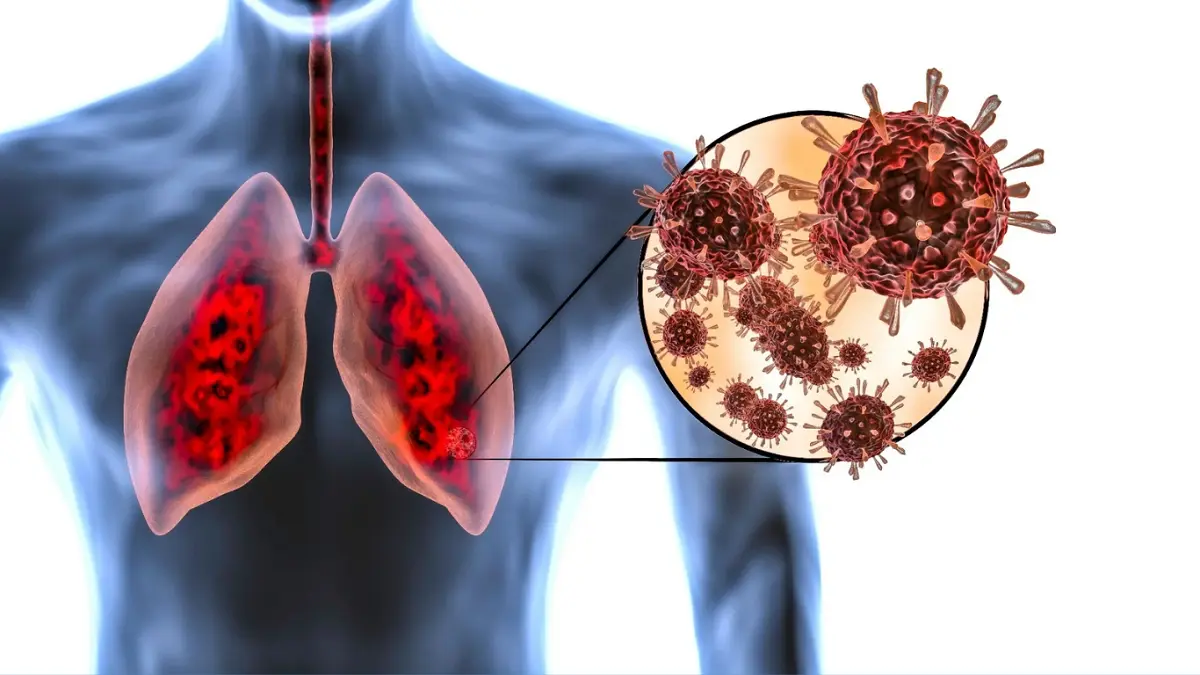
Emerging research published in April 2026 suggests that structural and cellular changes in the lungs caused by COVID-19 may increase the long-term risk of cancer. The findings highlight growing concerns about the virus's long-term health impact and the need for extended monitoring of recovered patients.
Scientists are examining how COVID-19 affects lung tissue beyond the acute phase, with evidence pointing to inflammation, fibrosis, and cellular damage as potential contributors to future cancer development—particularly in severe cases.
Post-COVID Lung Damage and Cancer Risk
COVID-19 can cause lasting changes in lung structure, including chronic inflammation and fibrosis (lung scarring). These alterations may disrupt normal cellular repair processes and lead to abnormal cell growth, a key factor in cancer development.
Even after recovery, some patients may continue to experience underlying tissue damage, increasing the risk of long-term complications.
Role of Inflammation and Fibrosis
Persistent inflammation plays a central role in linking COVID-19-related lung injury to cancer risk. Prolonged immune responses can lead to genetic instability and mutations, both associated with tumor formation.
Fibrosis further damages lung structure and function, creating an environment where abnormal cells may survive and proliferate. These mechanisms are similar to those observed in other chronic lung diseases linked to cancer risk.
Importance of Long-Term Monitoring
Experts recommend ongoing medical surveillance for individuals recovering from COVID-19, especially those with severe respiratory complications.
Follow-up care may include imaging scans, lung function tests, and monitoring persistent symptoms such as breathlessness or chronic cough to detect early abnormalities.
Public Health Implications
The potential link between COVID-19 and increased cancer risk adds to the broader understanding of long-term pandemic impacts. Given the global scale of infections, even a small increase in risk could have significant public health consequences.
However, current evidence remains preliminary, and further studies are required to establish a definitive connection.
Need for Further Research
Long-term studies are essential to understand how post-COVID lung damage may progress over time. Identifying high-risk populations and developing preventive strategies will be critical for future healthcare planning.
Integrating respiratory care with oncology monitoring may become an important part of managing long-term health outcomes in COVID-19 survivors.