ctDNA Test May Enable Reduced Treatment for Older Breast Cancer Patients: Study
A ctDNA-based test may help guide treatment de-escalation in older women with breast cancer, reducing unnecessary therapy while maintaining outcomes.
 Akanksha jain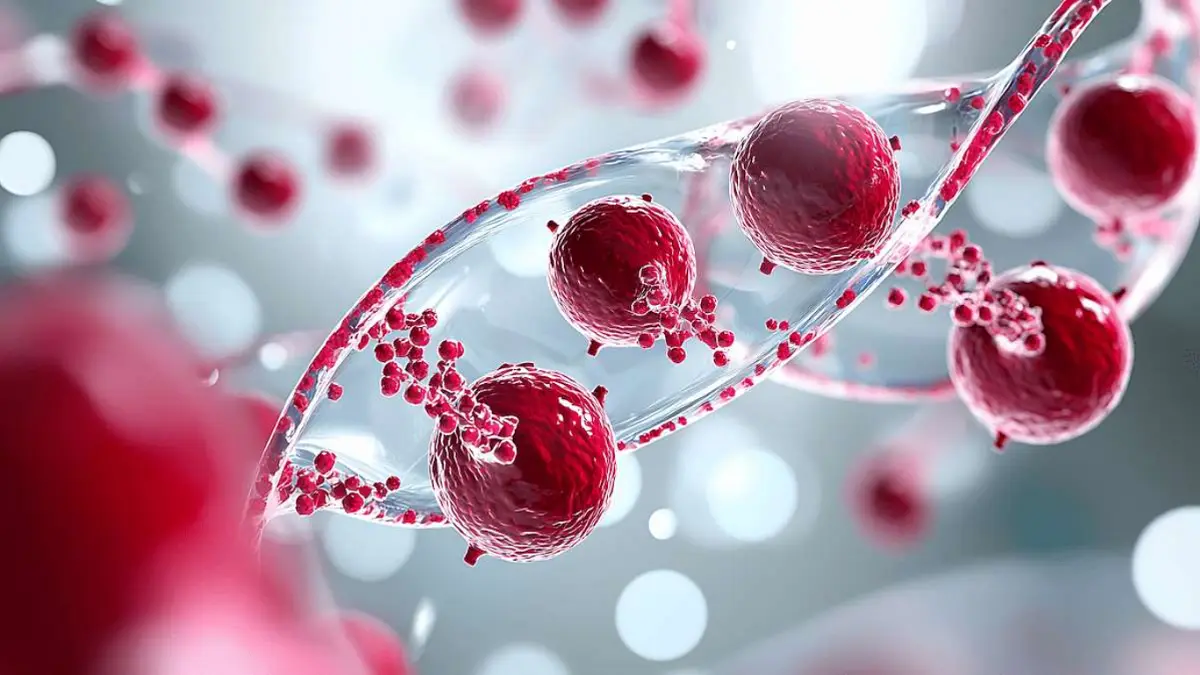
Published: April 2026
A circulating tumor DNA (ctDNA) test may help guide breast cancer treatment in older women, allowing doctors to safely reduce aggressive therapies while maintaining clinical outcomes, according to recent research.
The findings highlight the growing role of liquid biopsy in precision oncology, where treatment decisions are increasingly based on individual molecular profiles rather than standard protocols.
Key Takeaways
- ctDNA testing identifies low-risk breast cancer patients
- Helps reduce unnecessary chemotherapy in older women
- Improves quality of life by minimizing side effects
- Supports personalised cancer treatment strategies
What is a ctDNA test in breast cancer?
A ctDNA test is a type of liquid biopsy that detects fragments of tumor DNA circulating in the bloodstream.
It is used to identify minimal residual disease after initial treatment and assess the risk of cancer recurrence.
How CTDNA Testing Helps Reduce Treatment
The study found that patients who tested negative for ctDNA had a significantly lower risk of cancer recurrence.
- Low-risk patients may avoid chemotherapy
- Reduced need for prolonged treatment
- More targeted and personalised care
This approach allows clinicians to safely de-escalate treatment without compromising effectiveness.
Why This Matters for Older Women
Older women with breast cancer often face higher risks from aggressive treatments, including chemotherapy-related toxicity and complications.
ctDNA-guided treatment strategies help reduce unnecessary interventions, improving quality of life and treatment tolerance.
Role of Liquid Biopsy in Precision Oncology
Liquid biopsy technologies like ctDNA testing are transforming cancer care by enabling real-time monitoring of disease and treatment response.
They provide molecular insights that support more accurate and personalized treatment decisions.
Future of ctDNA in Cancer Treatment
Ongoing research is focused on improving the accuracy and clinical application of ctDNA testing across different cancer types.
As evidence grows, ctDNA is expected to become a standard tool in oncology practice.
Conclusion
ctDNA testing represents a major advancement in breast cancer care, offering a way to reduce treatment intensity while maintaining effectiveness.
This approach supports a shift toward more personalized, patient-centered oncology treatment.