Dehydration Danger in Extreme Heat: Risks & Prevention Tips
Dehydration danger in extreme heat can harm your health. Learn symptoms, risks, and prevention tips to stay safe during heatwaves.
 Akanksha jain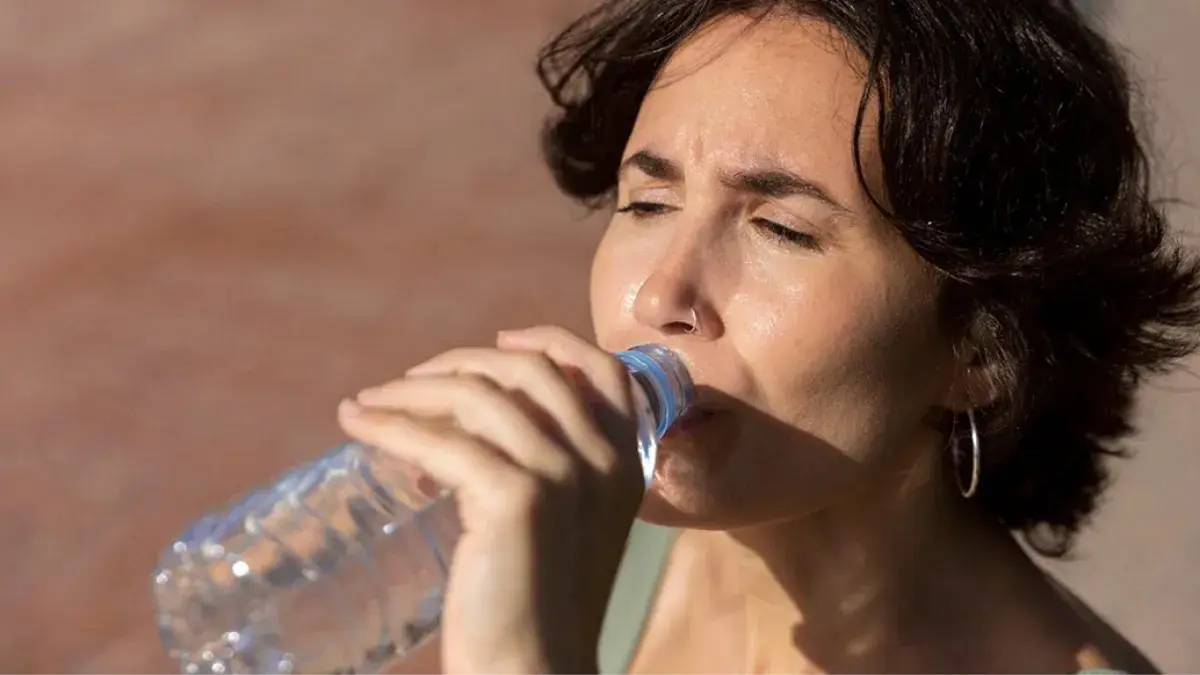
Dehydration danger is rising rapidly due to increasing extreme heat and frequent heatwaves. High temperatures cause excessive fluid loss, which disrupts the body’s balance. Without proper hydration, this condition can quickly become life-threatening. Understanding dehydration symptoms and prevention strategies is essential to stay safe.

Why Dehydration Danger Increases in Extreme Heat
During extreme heat, the body sweats more to regulate temperature. This leads to significant fluid loss and electrolyte imbalance. If fluids are not replaced, dehydration develops quickly.
Outdoor workers and people exposed to sunlight for long hours face higher risks. Children and older adults are more vulnerable due to reduced heat tolerance and slower recovery.
Common Dehydration Symptoms You Should Know
Recognizing early dehydration symptoms can prevent serious complications. Watch for these signs:
- Dry mouth and extreme thirst
- Fatigue and weakness
- Dizziness and headaches
- Dark yellow urine
Severe cases may lead to confusion, rapid heartbeat, and fainting. Immediate care is required to avoid complications.
Health Risks Linked to Dehydration Danger
Heat Exhaustion and Heatstroke Risk
Untreated dehydration can lead to heat exhaustion and eventually heatstroke risk. This condition can damage vital organs and requires emergency treatment.
Kidney Problems
Low fluid levels affect kidney function. This increases the chances of kidney stones and urinary infections.
Low Blood Pressure
Dehydration reduces blood volume, leading to dizziness and fainting, especially in hot conditions.
Effective Hydration Tips to Prevent Dehydration
Following simple hydration tips can reduce risks during extreme heat:
- Drink water regularly, even if you are not thirsty
- Eat water-rich foods like fruits and vegetables
- Avoid caffeine and sugary drinks
- Wear light and breathable clothing
- Stay indoors during peak afternoon hours
Using oral rehydration solutions helps restore electrolyte imbalance effectively.
Who Is Most at Risk?
Some groups are more prone to dehydration danger:
- Outdoor workers exposed to heatwaves
- Children and elderly individuals
- People with chronic illnesses
Helpful Resources and References
For more health tips, visit our internal guides:
For expert medical information, refer to trusted sources:
Conclusion
Dehydration danger is a serious issue during extreme heat and heatwaves. Staying hydrated, recognizing dehydration symptoms, and following prevention strategies can protect your health. Simple daily habits can make a big difference in avoiding heat-related illnesses.