Delhi Health Budget Under Scrutiny as Hospitals Face Resource Constraints
Concerns rise over Delhi’s health budget as hospitals face shortages of resources, infrastructure gaps, and increasing patient load.
 Akanksha jain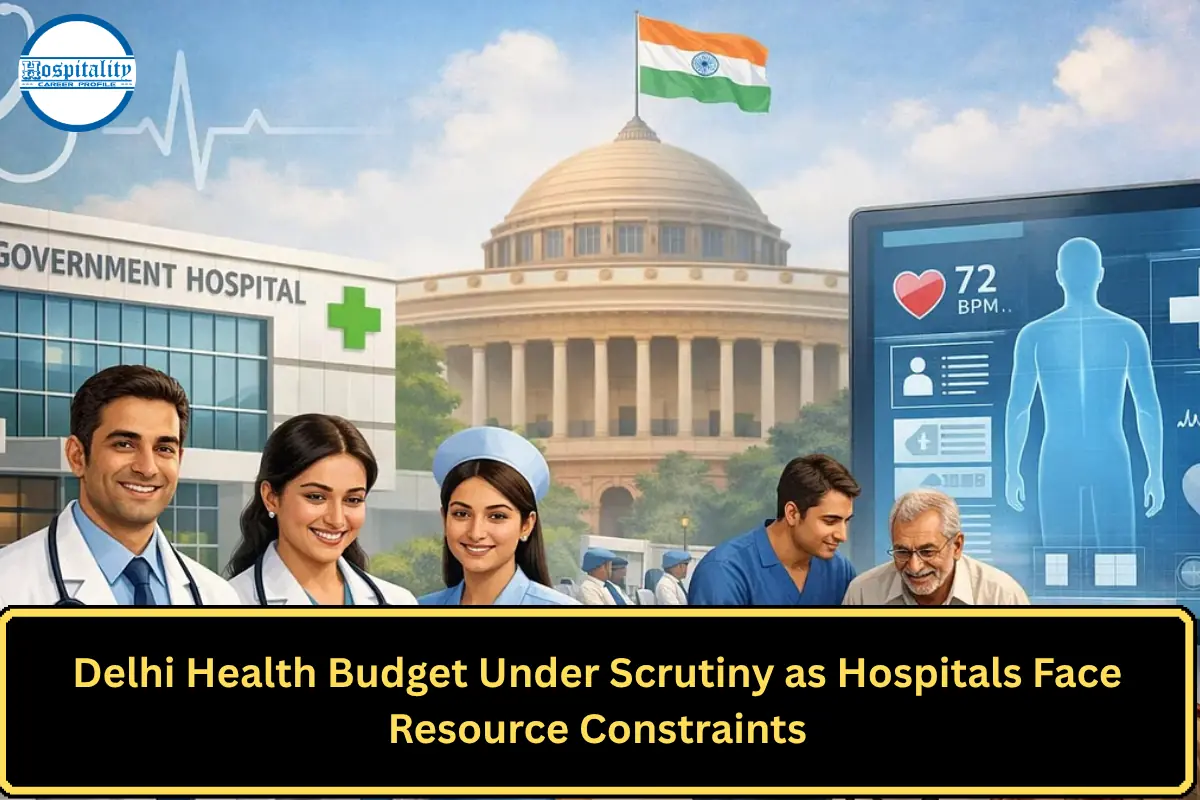
Delhi Health Budget Under Scrutiny as Hospitals Face Resource Constraints
Concerns are mounting over Delhi’s health budget in 2026 as public hospitals across the capital face increasing pressure from resource shortages, infrastructure gaps, and a rising patient load, prompting renewed debate over healthcare funding and policy priorities.
Healthcare experts, policymakers, and hospital administrators have raised questions about whether current budget allocations are sufficient to meet the growing demands of the city’s population. The issue has gained attention amid reports of overcrowded hospitals, limited availability of essential medical supplies, and delays in treatment.
Rising Pressure on Public Hospitals
Public hospitals in Delhi are experiencing a surge in patient inflow, driven by population growth, urbanization, and the continued reliance on government healthcare facilities for affordable treatment. Many hospitals are operating beyond their intended capacity, leading to overcrowded wards and longer waiting times for patients.
Doctors and healthcare staff have reported challenges in managing the increased workload, with limited resources affecting their ability to deliver timely and effective care. The situation is particularly critical in emergency departments and specialized units, where demand often exceeds available capacity.
Experts warn that without adequate investment, the strain on the healthcare system could worsen, impacting patient outcomes and overall service quality.
Concerns Over Budget Allocation
The health budget has come under scrutiny as stakeholders question whether funding levels are aligned with the city’s healthcare needs. While authorities have highlighted ongoing investments and initiatives, critics argue that allocations remain insufficient to address systemic challenges.
Key concerns include funding for infrastructure development, procurement of medical equipment, and recruitment of healthcare personnel. Analysts note that sustained investment is essential to modernize facilities and improve service delivery.
The debate reflects broader discussions about prioritizing healthcare spending in rapidly growing urban centers.
Infrastructure and Equipment Gaps
Infrastructure limitations have been identified as a major issue affecting hospital operations. Several facilities are in need of upgrades, including expansion of bed capacity, modernization of diagnostic equipment, and improvements in sanitation and maintenance.
Healthcare workers have pointed to shortages of critical equipment in some hospitals, which can delay diagnosis and treatment. Ensuring the availability of essential resources is considered vital for maintaining quality care standards.
Authorities have acknowledged the need for infrastructure improvements and have outlined plans for upgrades, though implementation timelines remain a concern.
Staff Shortages and Workforce Challenges
Another significant challenge facing Delhi’s healthcare system is the shortage of medical staff. Hospitals have reported vacancies for doctors, nurses, and support personnel, which adds to the burden on existing staff.
Workforce shortages can lead to increased stress, reduced efficiency, and potential burnout among healthcare professionals. Addressing these issues requires targeted recruitment, training, and retention strategies.
Experts emphasize that a well-supported workforce is critical to ensuring the effectiveness of any healthcare system.
Impact on Patients
Patients are directly affected by the challenges facing public hospitals, with many experiencing delays in receiving treatment and limited access to specialized care. For economically disadvantaged populations, public hospitals remain the primary option, making the issue particularly significant.
Reports of overcrowding and resource constraints have raised concerns about patient safety and the quality of care. Ensuring equitable access to healthcare services remains a key priority for policymakers.
Healthcare advocates have called for urgent measures to address these challenges and improve patient experiences.
Government Response and Initiatives
Government officials have stated that efforts are underway to strengthen the healthcare system through increased funding, infrastructure projects, and policy reforms. Initiatives aimed at expanding hospital capacity and improving service delivery have been highlighted as part of ongoing efforts.
Authorities have also pointed to investments in primary healthcare and preventive services as a way to reduce pressure on tertiary hospitals. Strengthening community-level care is seen as an important step in managing patient load more effectively.
Officials maintain that healthcare development is a priority and that progress is being made, though challenges persist.
Need for Long-Term Planning
Experts argue that addressing the healthcare challenges in Delhi requires long-term planning and strategic investment. This includes not only increasing budget allocations but also improving efficiency, governance, and accountability within the system.
Integrated approaches that combine infrastructure development, workforce expansion, and technological innovation are considered essential for sustainable improvement. Collaboration between government agencies, private sector partners, and healthcare institutions may also play a role.
The focus is increasingly shifting toward building a resilient healthcare system capable of adapting to future demands.
Broader Urban Healthcare Challenges
The situation in Delhi reflects a broader trend seen in many urban centers, where rapid population growth places significant pressure on healthcare infrastructure. Cities across India are grappling with similar challenges, highlighting the need for comprehensive policy responses.
Experts note that urban healthcare systems must evolve to address changing demographics, disease patterns, and technological advancements. Investment in healthcare is seen as critical to supporting economic growth and improving quality of life.
The challenges faced by Delhi’s hospitals underscore the importance of proactive planning and sustained commitment to healthcare development.
Future Outlook
Looking ahead, the effectiveness of policy measures and budget decisions will play a crucial role in shaping the future of healthcare in Delhi. Stakeholders are calling for increased transparency and accountability in how resources are allocated and utilized.
Continued monitoring and evaluation of healthcare programs will be essential to ensure that improvements are achieved and sustained. Public engagement and feedback may also contribute to more responsive and effective policymaking.
The coming months are likely to see ongoing discussions and potential policy adjustments aimed at addressing the challenges facing the capital’s healthcare system.
Conclusion
The scrutiny of Delhi’s health budget highlights growing concerns over hospital resource constraints, with stakeholders urging stronger investment and reforms to ensure the city’s healthcare system can meet rising demand effectively.