New Biomarker DNASE1L2 Identified to Track Tuberculosis Progression, Study Finds
Researchers have identified DNASE1L2 as a dynamic biomarker for tracking tuberculosis progression, offering new possibilities for early diagnosis and improved treatment monitoring.
 Akanksha jain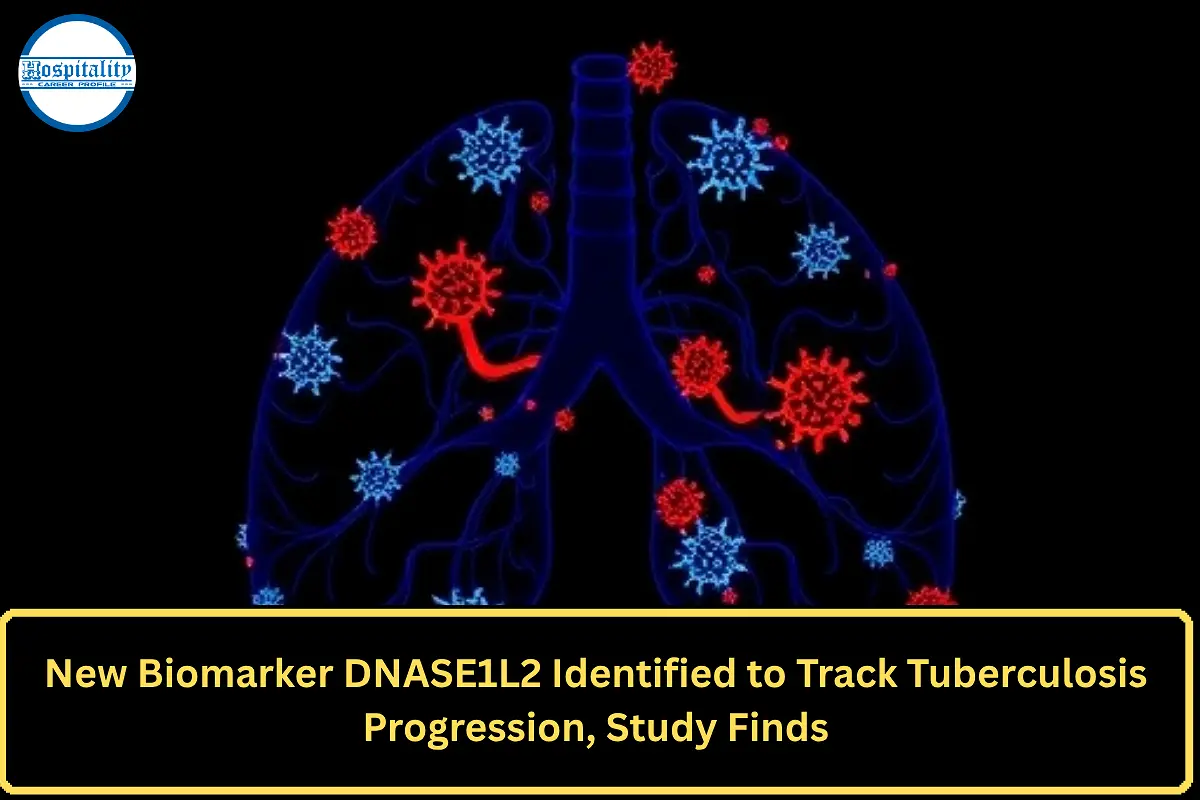
New Biomarker DNASE1L2 Identified to Track Tuberculosis Progression, Study Finds
Researchers have identified DNASE1L2 as a dynamic biomarker capable of tracking the progression of tuberculosis (TB), according to a study published in March 2026, offering a potential breakthrough in the early diagnosis and monitoring of one of the world’s deadliest infectious diseases. The discovery could help clinicians better assess disease activity and tailor treatment strategies more effectively.
The study, conducted by an international team of scientists, highlights how levels of DNASE1L2—a gene associated with immune response—change in correlation with the progression of tuberculosis. The findings provide new insights into disease mechanisms and may pave the way for more precise diagnostic tools and therapeutic interventions.
Understanding the Role of DNASE1L2
DNASE1L2 is part of a family of enzymes involved in DNA degradation and immune system regulation. While its function has been studied in other biological processes, its role in infectious diseases such as tuberculosis has remained unclear until now. The new research demonstrates that DNASE1L2 expression levels vary significantly depending on the stage and severity of TB infection.
Scientists observed that elevated levels of DNASE1L2 were associated with active disease, while lower levels were linked to latent or controlled infections. This dynamic pattern suggests that the biomarker could serve as a reliable indicator of disease progression, enabling healthcare providers to distinguish between different stages of TB more accurately.
The ability to monitor disease activity in real time is considered a critical advancement, as current diagnostic methods often struggle to differentiate between active and latent infections.
Implications for Tuberculosis Diagnosis
Tuberculosis remains a major global health challenge, with millions of new cases reported each year. Early and accurate diagnosis is essential for effective treatment and for preventing the spread of the disease. However, existing diagnostic tools, such as sputum tests and imaging, have limitations in sensitivity and specificity.
The identification of DNASE1L2 as a biomarker could enhance diagnostic capabilities by providing a molecular-level indicator of infection. Blood-based tests that measure DNASE1L2 levels may offer a less invasive and more precise alternative to traditional methods.
Researchers believe that integrating this biomarker into diagnostic protocols could improve detection rates, particularly in cases where conventional tests yield inconclusive results.
Advancing Treatment Monitoring
In addition to diagnosis, DNASE1L2 has the potential to play a significant role in monitoring treatment response. Tuberculosis treatment typically involves long courses of antibiotics, and assessing patient progress can be challenging.
By tracking changes in DNASE1L2 levels over time, clinicians may be able to evaluate how well a patient is responding to therapy. A decrease in biomarker levels could indicate effective treatment, while persistent or rising levels might signal the need for adjustments in the treatment regimen.
This approach could help optimize therapy, reduce the risk of drug resistance, and improve overall patient outcomes.
Insights into Disease Mechanisms
The study also provides valuable insights into the biological mechanisms underlying tuberculosis. The association between DNASE1L2 and immune response suggests that the enzyme may play a role in how the body reacts to infection.
Understanding these mechanisms could open new avenues for research, including the development of targeted therapies that modulate immune activity. Scientists are exploring whether DNASE1L2 itself could become a therapeutic target, potentially leading to innovative treatment strategies.
Further research will be needed to fully elucidate the pathways involved and to translate these findings into clinical applications.
Global Health Significance
The discovery of a reliable biomarker for tuberculosis progression has significant implications for global health. TB remains one of the leading causes of death from infectious diseases, particularly in low- and middle-income countries where access to advanced diagnostic tools is limited.
Improved diagnostic and monitoring capabilities could help reduce disease burden by enabling earlier intervention and more effective treatment. Public health programs may benefit from incorporating biomarker-based approaches to enhance screening and surveillance efforts.
International health organizations have emphasized the need for innovation in TB control, and the identification of DNASE1L2 represents a step forward in addressing this challenge.
Challenges and Next Steps
Despite the promising findings, researchers caution that further validation is required before DNASE1L2 can be widely used in clinical settings. Large-scale studies involving diverse populations will be necessary to confirm the biomarker’s reliability and applicability.
Developing standardized testing methods and ensuring affordability will also be critical for widespread adoption, particularly in resource-limited settings where TB prevalence is highest.
Regulatory approval processes and integration into existing healthcare systems will be additional steps in translating this research into practical use.
Future Outlook
The identification of DNASE1L2 as a dynamic biomarker underscores the growing role of molecular research in transforming infectious disease management. Advances in genomics and biotechnology are enabling more precise approaches to diagnosis and treatment, with the potential to significantly improve patient care.
Researchers are optimistic that continued exploration of biomarkers will lead to further breakthroughs in tuberculosis and other infectious diseases. Collaborative efforts between scientists, healthcare providers, and policymakers will be essential in bringing these innovations to the forefront.
The integration of biomarker-based diagnostics into routine clinical practice could mark a new era in personalized medicine for infectious diseases.
Conclusion
The discovery of DNASE1L2 as a biomarker for tuberculosis progression offers a promising tool for improving diagnosis and treatment monitoring, with further research expected to determine its role in clinical practice.