Three Major Government Hospitals in East Delhi Set to Be Merged to Improve Healthcare Efficiency
The government plans to merge three major hospitals in East Delhi to improve efficiency, optimize resources, and enhance patient care delivery.
 Akanksha jain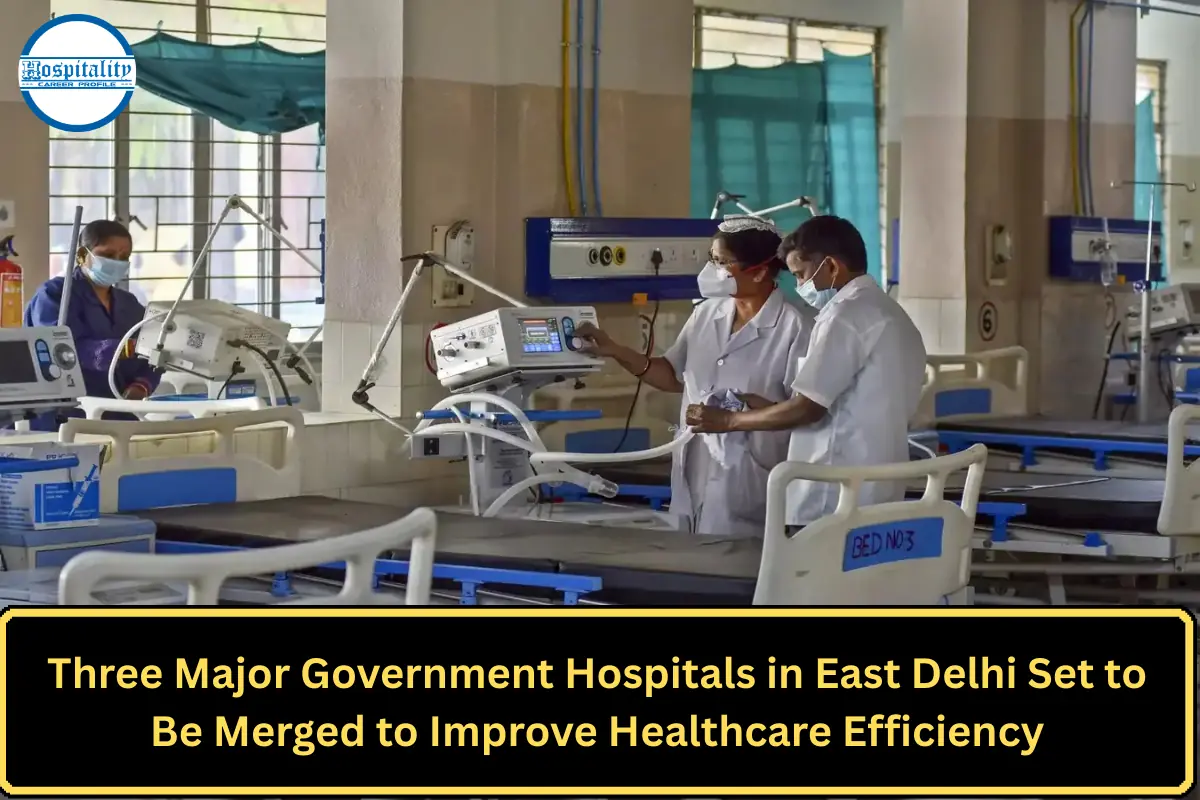
Three Major Government Hospitals in East Delhi Set to Be Merged to Improve Healthcare Efficiency
The Delhi government is planning to merge three major government hospitals in East Delhi as part of a broader effort to improve healthcare efficiency, optimize resource utilization, and enhance patient care services, officials said in March 2026. The move aims to streamline operations, reduce administrative duplication, and strengthen the overall functioning of public healthcare facilities in the region.
According to officials, the proposed merger will integrate infrastructure, workforce, and services across the three hospitals, allowing for better coordination and more effective delivery of medical care. The decision comes amid increasing patient loads and growing demand for quality healthcare services in the national capital.
Objective Behind the Merger
The primary goal of the merger is to create a more unified healthcare system that can deliver services more efficiently. By combining the operations of multiple hospitals, authorities aim to eliminate redundancies and ensure optimal use of available resources, including medical equipment, staff, and hospital beds.
Officials said that the integration will help reduce administrative overheads and improve decision-making processes. A centralized management structure is expected to enable faster responses to patient needs and more effective allocation of resources across departments.
The move is also intended to enhance the quality of care by enabling better coordination among healthcare professionals and ensuring that patients receive timely and appropriate treatment.
Rising Demand for Public Healthcare
Delhi’s public healthcare system has been under increasing pressure due to a rising population and growing healthcare needs. Government hospitals, in particular, serve a large number of patients from economically weaker sections, making efficient service delivery a critical priority.
In East Delhi, hospitals have been experiencing high patient inflow, leading to overcrowding and longer waiting times. The merger is expected to address these challenges by improving patient flow and reducing bottlenecks in service delivery.
Healthcare experts note that integrating facilities could help balance patient load across departments, ensuring that no single hospital is overwhelmed while others remain underutilized.
Impact on Medical Staff and Infrastructure
The merger will involve the consolidation of medical staff, administrative personnel, and support services. Authorities have indicated that efforts will be made to ensure a smooth transition, with minimal disruption to existing services.
Doctors and healthcare workers are expected to benefit from improved coordination and access to shared resources. The integration could also provide opportunities for better training and collaboration among medical professionals.
Infrastructure upgrades may be undertaken as part of the merger process to ensure that facilities are equipped to handle increased patient volumes and expanded services. This could include improvements in diagnostic capabilities, emergency care, and specialized treatment units.
Concerns and Challenges
While the merger is aimed at improving efficiency, it also presents certain challenges. Healthcare workers and stakeholders have raised concerns about potential disruptions during the transition period, including changes in workflow and administrative processes.
There are also questions about how the integration will be implemented and whether adequate planning has been undertaken to address logistical complexities. Ensuring continuity of care during the merger process will be a key priority for authorities.
Experts emphasize the need for clear communication and stakeholder engagement to ensure that the transition is smooth and that the benefits of the merger are fully realized.
Government’s Broader Healthcare Strategy
The proposed merger is part of a broader strategy by the Delhi government to strengthen the public healthcare system. Authorities have been focusing on improving infrastructure, expanding access to services, and enhancing the quality of care across the city.
Other initiatives include the development of new healthcare facilities, expansion of existing hospitals, and increased investment in medical equipment and technology. The government is also working to improve primary healthcare services to reduce the burden on tertiary care hospitals.
Officials believe that structural reforms such as hospital mergers can play a key role in building a more resilient and efficient healthcare system capable of meeting future challenges.
Expected Benefits for Patients
For patients, the merger is expected to result in improved access to healthcare services and a better overall experience. Streamlined operations could lead to shorter waiting times, more coordinated care, and improved availability of specialized treatments.
Patients may also benefit from enhanced diagnostic and treatment capabilities as resources are pooled across the merged facilities. This could lead to more accurate diagnoses and more effective treatment plans.
In addition, a unified system could improve patient record management, ensuring that medical information is easily accessible across departments and facilities.
Implementation Timeline and Next Steps
While the merger has been announced, detailed implementation plans are still being finalized. Authorities are expected to outline a phased approach to integration, with timelines and specific steps to be communicated in the coming months.
Stakeholders, including hospital administrators, medical staff, and patient representatives, are likely to be consulted as part of the planning process. Their input will be crucial in addressing potential challenges and ensuring that the merger achieves its intended objectives.
The government is also expected to monitor the impact of the merger closely and make adjustments as needed to ensure successful implementation.
Outlook
The planned merger of three major government hospitals in East Delhi represents a significant step in the evolution of Delhi’s public healthcare system. If implemented effectively, the move could serve as a model for similar reforms in other regions.
However, the success of the initiative will depend on careful planning, effective execution, and ongoing evaluation. Balancing efficiency with quality of care will be critical to achieving the desired outcomes.
For now, authorities are moving forward with preparations, aiming to create a more integrated and responsive healthcare system for the residents of East Delhi.
The merger remains in the planning stage as officials work to finalize details and ensure a smooth transition.