Eli Lilly Signs $2 Billion AI Drug Development Deal with Insilico Medicine
Eli Lilly has signed a $2 billion agreement with Insilico Medicine to accelerate AI-driven drug discovery, marking a major step in pharmaceutical innovation.
 Akanksha jain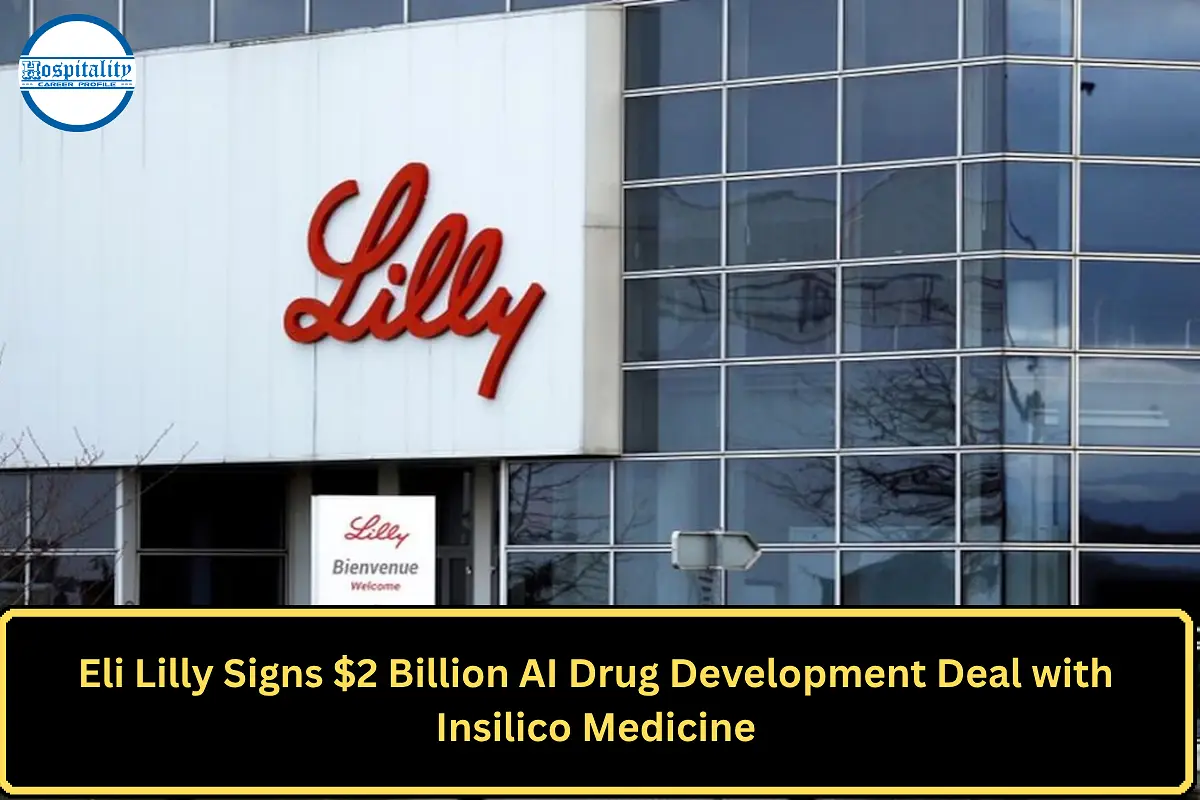
Eli Lilly Signs $2 Billion AI Drug Development Deal with Insilico Medicine
Eli Lilly has entered into a deal worth up to $2 billion with Hong Kong-based Insilico Medicine to advance artificial intelligence-driven drug development, the companies announced on March 29, 2026. The agreement aims to accelerate the discovery and development of new therapies by leveraging cutting-edge AI technologies, marking a significant collaboration in the evolving pharmaceutical landscape.
The partnership will focus on using Insilico’s AI platforms to identify and develop novel drug candidates across multiple therapeutic areas. The move reflects growing industry interest in integrating artificial intelligence into drug discovery processes to improve efficiency, reduce costs, and shorten development timelines.
Strategic Collaboration in AI-Driven Drug Discovery
Under the terms of the agreement, Insilico Medicine will utilize its proprietary AI tools to design and optimize potential drug molecules, while Eli Lilly will support further development, clinical trials, and commercialization. The deal includes upfront payments, milestone-based incentives, and potential royalties, bringing the total value to as much as $2 billion.
Company executives said the collaboration is intended to combine Insilico’s expertise in artificial intelligence with Eli Lilly’s experience in drug development and global commercialization. The partnership aims to accelerate the transition from early-stage research to clinical application.
The agreement highlights a broader trend of pharmaceutical companies seeking partnerships with technology firms to enhance research capabilities and drive innovation.
Growing Role of Artificial Intelligence in Pharma
Artificial intelligence is playing an increasingly important role in the pharmaceutical industry, particularly in the early stages of drug discovery. AI systems can analyze vast datasets, identify potential drug targets, and predict how molecules will behave, significantly reducing the time required for research.
Traditional drug discovery processes can take years and require substantial financial investment, with high rates of failure. By incorporating AI, companies aim to improve success rates and streamline development pipelines.
Experts note that AI-driven approaches are particularly valuable in identifying complex biological interactions and uncovering new therapeutic opportunities that may not be evident through conventional methods.
Focus on Multiple Therapeutic Areas
The collaboration is expected to explore drug candidates across a range of therapeutic areas, including metabolic diseases, oncology, and other conditions with unmet medical needs. By targeting multiple disease categories, the companies aim to maximize the impact of their joint research efforts.
Insilico’s AI platforms are designed to generate novel molecular structures and evaluate their potential effectiveness, allowing researchers to prioritize the most promising candidates for further development.
This approach could enable faster progression from discovery to clinical trials, potentially bringing new treatments to patients more quickly.
Industry Trends Driving Partnerships
The deal reflects a broader shift within the pharmaceutical industry toward collaboration with technology-driven companies. As drug development becomes more complex and costly, partnerships are increasingly seen as a way to share risk and access specialized expertise.
Large pharmaceutical firms are investing heavily in digital transformation, including the use of artificial intelligence, machine learning, and data analytics. These technologies are reshaping how drugs are discovered, tested, and brought to market.
Analysts suggest that such collaborations will continue to grow as companies seek to remain competitive in a rapidly evolving landscape.
Potential Impact on Drug Development Timelines
One of the key advantages of AI-driven drug discovery is its potential to significantly reduce development timelines. By automating aspects of the research process and improving predictive accuracy, AI can help identify viable drug candidates more quickly.
This efficiency could lead to faster initiation of clinical trials and, ultimately, quicker access to new therapies for patients. Reducing development time is also critical for managing costs and improving the overall sustainability of pharmaceutical innovation.
However, experts caution that while AI can accelerate early-stage research, rigorous clinical testing remains essential to ensure safety and efficacy.
Challenges and Considerations
Despite its promise, the use of artificial intelligence in drug discovery presents challenges. These include the need for high-quality data, regulatory considerations, and the integration of AI systems into existing research workflows.
Ensuring transparency and reliability in AI-generated results is also critical, particularly in a highly regulated industry such as pharmaceuticals. Companies must demonstrate that AI-driven approaches meet established standards for safety and effectiveness.
Addressing these challenges will be key to realizing the full potential of AI in drug development.
Competitive Landscape and Innovation
The collaboration between Eli Lilly and Insilico Medicine underscores the competitive nature of the pharmaceutical industry, where companies are racing to adopt innovative technologies. AI-driven drug discovery is emerging as a key differentiator, with firms investing heavily in building or acquiring capabilities in this area.
Biotechnology startups specializing in AI are attracting significant attention and investment, leading to a wave of partnerships and acquisitions. These developments are reshaping the industry and creating new opportunities for innovation.
The deal also highlights the growing importance of cross-border collaborations, as companies seek to leverage global expertise and resources.
Future Outlook
Looking ahead, the integration of artificial intelligence into drug discovery is expected to continue expanding, with more companies adopting these technologies to enhance research productivity. The success of collaborations such as this one will likely influence future partnerships and investment strategies across the industry.
As AI tools become more sophisticated, their role in identifying and developing new therapies is expected to grow, potentially transforming the way medicines are created. Continued advancements in technology and data science will be critical to unlocking these opportunities.
Industry observers believe that the combination of AI and traditional pharmaceutical expertise has the potential to significantly improve outcomes for patients and drive the next wave of medical innovation.
Conclusion
The $2 billion agreement between Eli Lilly and Insilico Medicine marks a significant step in the adoption of artificial intelligence in drug development, reflecting the industry’s ongoing shift toward technology-driven innovation to accelerate the discovery of new therapies.