Eli Lilly Pushes for Higher NHS Drug Prices to Revive UK Investment Plans
Eli Lilly is seeking higher drug prices and changes to rebate policies in the UK to revive its investment plans, highlighting tensions in pharmaceutical pricing.
 Akanksha jain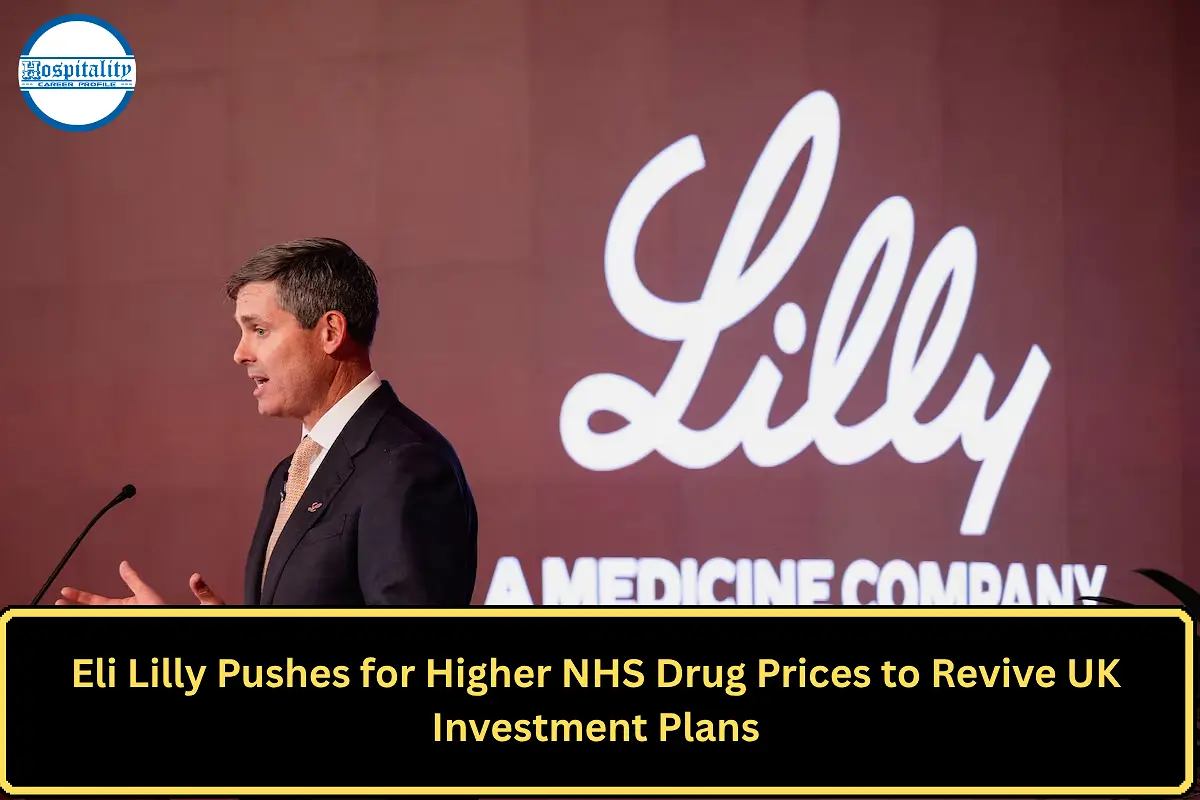
Eli Lilly Pushes for Higher NHS Drug Prices to Revive UK Investment Plans
Eli Lilly is seeking higher drug prices and a restructuring of rebate mechanisms within the United Kingdom’s National Health Service (NHS), aiming to restart its investment plans in the country, according to reports published on March 30, 2026. The U.S.-based pharmaceutical company has indicated that current pricing constraints and rebate requirements are limiting its ability to expand operations and invest in research and development in the UK.
The company’s stance reflects growing tensions between pharmaceutical manufacturers and the UK government over drug pricing policies, which are designed to control healthcare costs but are increasingly being challenged by industry players seeking more favorable commercial conditions.
Call for Pricing and Rebate Reforms
Eli Lilly has urged UK authorities to revise existing drug pricing frameworks, particularly the rebate system that requires pharmaceutical companies to return a portion of their revenues to the government. The company argues that the current structure places a financial burden on manufacturers and discourages investment in the UK market.
Executives have suggested that higher allowable drug prices, combined with a more balanced rebate mechanism, could create a more attractive environment for innovation and long-term investment. The company has linked these changes directly to its willingness to expand its footprint in the UK.
The discussions come at a time when governments worldwide are grappling with the challenge of balancing affordable healthcare with the need to support pharmaceutical innovation.
Impact on UK Investment Plans
Eli Lilly has indicated that it is prepared to increase its investment in the UK if policy changes are implemented. Potential areas of investment include research facilities, clinical trials, and partnerships with local institutions. The company has historically been involved in scientific research and drug development initiatives in the region.
However, executives have warned that without changes to pricing and rebate policies, the company may redirect its investments to other markets offering more favorable conditions. This could impact the UK’s position as a hub for pharmaceutical research and innovation.
Industry observers note that investment decisions by major pharmaceutical companies can have significant implications for employment, scientific advancement, and economic growth.
Broader Industry Concerns
Eli Lilly’s position is part of a broader industry trend, with several pharmaceutical companies expressing concerns about pricing pressures in regulated markets. The UK’s cost-control measures, while effective in managing public healthcare spending, have been criticized for potentially limiting access to new treatments and discouraging innovation.
Pharmaceutical companies argue that sustainable pricing models are necessary to support the high costs associated with drug development, which can involve years of research and significant financial risk. They contend that restrictive pricing policies may reduce incentives to introduce new therapies in certain markets.
At the same time, healthcare policymakers emphasize the importance of maintaining affordability and ensuring equitable access to medicines for patients.
Role of the NHS and Government Policy
The NHS operates under a framework that prioritizes cost-effectiveness, negotiating drug prices with manufacturers to ensure value for public spending. The existing rebate system, part of broader agreements between the government and the pharmaceutical industry, is intended to limit overall expenditure on branded medicines.
Government officials have defended these policies as necessary for sustaining the healthcare system, particularly in the face of rising demand and budget constraints. Any changes to the system would require careful consideration of their impact on public finances and patient access.
Negotiations between pharmaceutical companies and the government are ongoing, with both sides seeking to find a balance between affordability and innovation.
Potential Implications for Patients
Changes to drug pricing policies could have direct implications for patients, influencing both the availability and cost of medicines. Higher drug prices could increase healthcare spending, while also potentially enabling faster access to new treatments if companies prioritize the UK market.
Conversely, maintaining strict pricing controls may help keep healthcare costs manageable but could delay the introduction of innovative therapies. Striking the right balance is a key challenge for policymakers and industry stakeholders.
Patient advocacy groups have called for solutions that ensure both affordability and timely access to cutting-edge treatments.
Global Context and Competitive Landscape
The debate over drug pricing in the UK is part of a global conversation about how to fund healthcare innovation. Different countries adopt varying approaches, with some allowing higher prices in exchange for faster access, while others impose stricter controls to manage costs.
Pharmaceutical companies are increasingly making strategic decisions about where to invest based on regulatory and pricing environments. Markets that offer supportive policies and predictable frameworks are often prioritized for research and development activities.
The UK has traditionally been a key player in the global pharmaceutical industry, with strong academic institutions and a robust clinical research infrastructure. Maintaining this position will depend on its ability to adapt to changing industry dynamics.
Future Outlook
The outcome of discussions between Eli Lilly and UK authorities will be closely watched by industry stakeholders, as it may set a precedent for future negotiations. Any policy changes could influence broader industry trends and impact how pharmaceutical companies approach investment decisions in regulated markets.
Experts suggest that collaborative approaches involving government, industry, and healthcare providers will be essential for developing sustainable solutions. Balancing cost control with innovation will remain a central challenge in the evolving healthcare landscape.
As negotiations continue, the pharmaceutical sector will be monitoring developments to assess their implications for global investment strategies and market access.
Conclusion
Eli Lilly’s push for higher NHS drug prices and rebate reforms underscores ongoing tensions between cost control and innovation, with the outcome likely to shape the future of pharmaceutical investment in the United Kingdom.