Elon Musk Signals Major Tesla Investment Plans in Japan to Expand Global Footprint
Elon Musk has shared a major update on Tesla’s potential investment in Japan, signaling expansion plans in one of Asia’s key automotive markets.
 RUKAIYA KADIVAL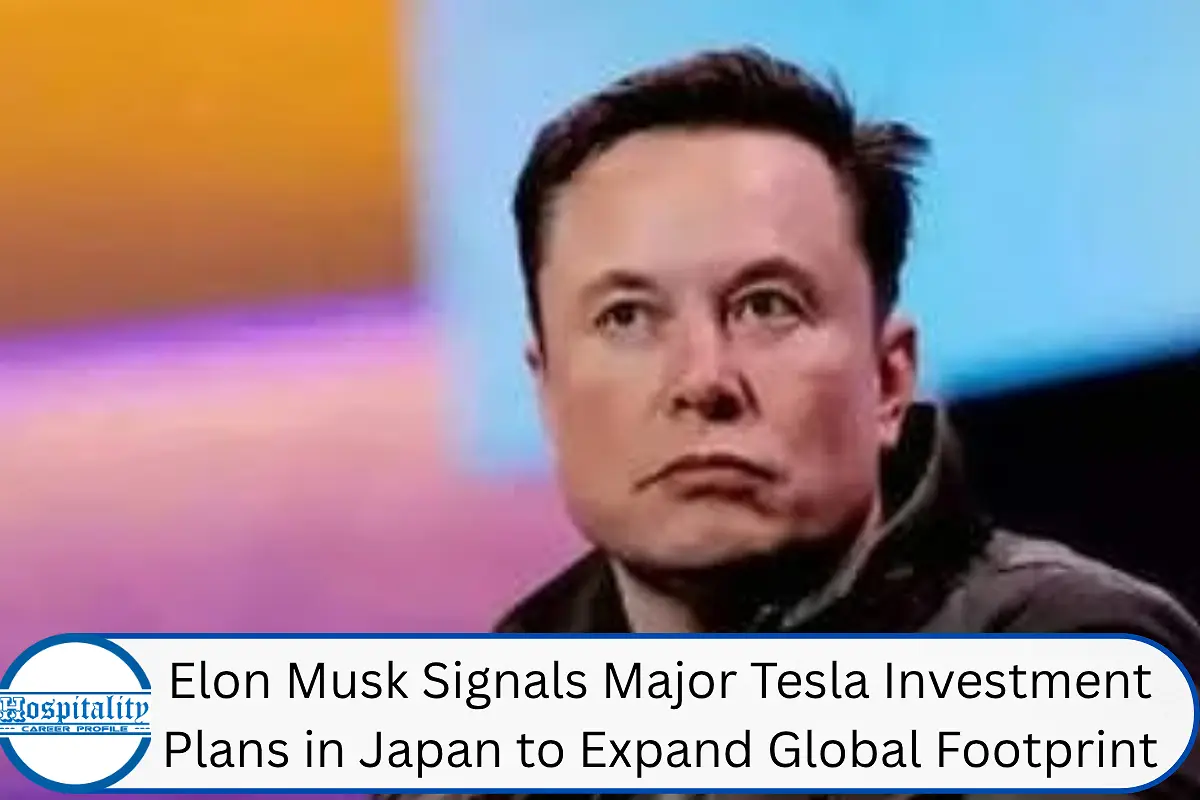
Elon Musk Signals Major Tesla Investment Plans in Japan to Expand Global Footprint
Tesla Chief Executive Officer Elon Musk has indicated a significant potential investment in Japan, highlighting plans to expand the electric vehicle maker’s presence in one of Asia’s most advanced automotive markets, according to recent remarks reported in 2026. The update comes as Tesla seeks to strengthen its global manufacturing and market footprint amid rising competition in the electric vehicle sector.
Musk’s comments suggest that Japan could play a larger role in Tesla’s long-term strategy, either through manufacturing, partnerships, or expanded sales operations. While specific details of the investment have not been officially disclosed, the indication of a “big” development has drawn attention from industry analysts and investors alike.
Strategic Importance of Japan
Japan represents a key market for electric vehicles, with a well-established automotive industry, advanced technology infrastructure, and a strong focus on innovation. Despite being home to major legacy automakers, the country has seen growing interest in EV adoption, supported by government initiatives aimed at reducing emissions.
Tesla’s potential investment could help the company strengthen its position in a competitive market where domestic manufacturers have traditionally dominated. Expanding in Japan would also provide access to a highly skilled workforce and advanced supply chains, which are critical for EV production.
The move aligns with Tesla’s broader strategy of localizing operations in key global markets to improve efficiency and reduce logistical challenges.
Expanding Global Manufacturing Network
Tesla has been steadily expanding its manufacturing footprint across major regions, including North America, Europe, and Asia. Establishing or enhancing operations in Japan could complement its existing facilities and support increased production capacity.
Local manufacturing can help Tesla reduce costs associated with shipping and tariffs while enabling faster delivery to customers. It also allows the company to adapt its products to meet regional preferences and regulatory requirements.
Industry experts note that expanding into Japan could also strengthen Tesla’s resilience against supply chain disruptions by diversifying its production base.
Competition in the EV Market
The global electric vehicle market has become increasingly competitive, with both established automakers and new entrants investing heavily in EV technology. In Japan, companies such as Toyota, Nissan, and Honda have been accelerating their electrification efforts, intensifying competition for market share.
Tesla’s potential investment signals its intention to remain a dominant player in the EV industry by expanding into markets where competition is rapidly evolving. The company’s focus on innovation, including battery technology and software integration, continues to differentiate it from competitors.
Entering or expanding in Japan could also position Tesla to compete more effectively with domestic brands on their home turf.
Potential Areas of Investment
While Musk did not provide specific details, potential areas of investment could include manufacturing facilities, research and development centers, or partnerships with local firms. Each of these options would offer different strategic advantages.
A manufacturing plant would enable Tesla to produce vehicles locally, while an R&D center could focus on advancing battery technology and autonomous driving systems. Partnerships with Japanese companies could provide access to established supply chains and technological expertise.
The final decision will likely depend on a combination of economic, regulatory, and strategic factors.
Government Policies and Incentives
Japan has been actively promoting the adoption of electric vehicles through policy measures and incentives aimed at reducing carbon emissions. These initiatives include subsidies for EV purchases, investments in charging infrastructure, and support for research and development.
Tesla’s potential investment could benefit from these policies, making the market more attractive for expansion. Government support is often a key factor in determining the viability of large-scale investments in the automotive sector.
Collaboration with local authorities may also play a role in facilitating Tesla’s entry or expansion in the market.
Impact on Local Industry
A significant investment by Tesla could have wide-ranging implications for Japan’s automotive industry. It may encourage increased competition and innovation, prompting domestic manufacturers to accelerate their transition to electric vehicles.
The presence of a global EV leader could also stimulate the development of supporting industries, such as battery production and charging infrastructure. This could contribute to broader economic growth and technological advancement.
However, it may also pose challenges for local companies as they compete with Tesla’s established brand and technological capabilities.
Investor and Market Reaction
Investors have shown strong interest in Tesla’s expansion plans, as global growth remains a key driver of the company’s valuation. News of potential investment in Japan has added to expectations of continued growth in international markets.
Market analysts are closely watching for further details, including the scale and timeline of the proposed investment. Any concrete announcements could have an impact on Tesla’s stock performance and broader market sentiment.
The development also highlights the importance of geographic diversification in sustaining long-term growth.
Challenges and Considerations
Expanding into Japan is not without challenges, including regulatory requirements, competition from established domestic brands, and the need to adapt to local consumer preferences. Tesla will need to navigate these factors carefully to ensure success.
Infrastructure development, particularly in charging networks, will also play a crucial role in supporting EV adoption. While Japan has made progress in this area, further expansion may be needed to accommodate increased demand.
Balancing investment costs with expected returns will be a key consideration for Tesla as it evaluates its options.
Future Outlook
Looking ahead, Tesla’s potential investment in Japan reflects its broader strategy of expanding its global footprint and capitalizing on growing demand for electric vehicles. As the industry continues to evolve, companies are increasingly focusing on key markets to drive growth.
If the plans materialize, Japan could become an important hub for Tesla’s operations in Asia, complementing its presence in other regions. The move would also reinforce the company’s commitment to accelerating the transition to sustainable energy.
Further announcements are expected as Tesla finalizes its plans and engages with stakeholders in Japan.
Conclusion
Elon Musk’s indication of a major Tesla investment in Japan underscores the company’s ambition to expand globally, with further details awaited as the EV maker evaluates opportunities in the strategic Asian market.