Ford Reports 9% Drop in U.S. Q1 Sales Amid F-Series Inventory Rebuild
Ford reported a 9% decline in U.S. first-quarter sales as it works to rebuild F-Series truck inventory, impacting overall performance.
 RUKAIYA KADIVAL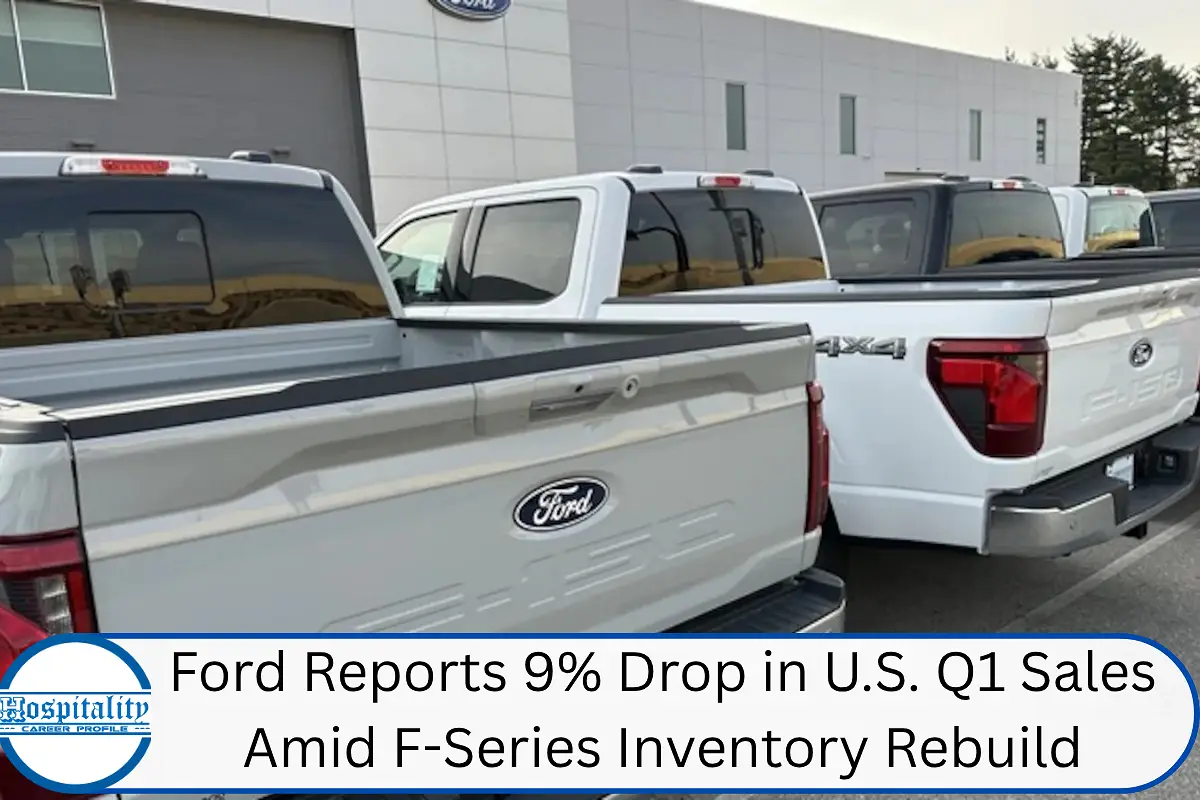
Ford Reports 9% Drop in U.S. Q1 Sales Amid F-Series Inventory Rebuild
Ford Motor Co. reported a 9% decline in U.S. vehicle sales for the first quarter of 2026, as the automaker works to rebuild inventory of its highly profitable F-Series pickup trucks, according to data released on April 2. The drop reflects supply constraints and strategic production adjustments affecting one of Ford’s most critical product lines in its largest market.
The company’s overall sales performance was impacted primarily by reduced availability of F-Series models, which are typically among the best-selling vehicles in the United States. Ford is currently increasing production and restoring inventory levels following earlier supply disruptions and production shifts.
F-Series Shortage Weighs on Sales
The F-Series lineup, which includes the popular F-150 and its variants, remains a cornerstone of Ford’s business, contributing significantly to revenue and profitability. However, limited availability during the quarter led to lower sales volumes compared to the same period last year.
Industry analysts note that inventory shortages can have an immediate impact on sales figures, particularly for high-demand vehicles like pickup trucks. Ford’s efforts to rebuild supply are expected to stabilize sales in the coming quarters.
The company has been adjusting production schedules and supply chain operations to address these challenges and meet customer demand more effectively.
Supply Chain and Production Adjustments
Ford’s inventory rebuild comes after a period of supply chain disruptions that affected production capacity. Factors such as component shortages, logistics constraints, and shifts in manufacturing priorities contributed to reduced output of key models.
The automaker has been working to improve supply chain resilience, including securing critical components and optimizing production processes. These efforts are aimed at preventing future disruptions and ensuring a steady flow of vehicles to dealerships.
As production ramps up, Ford expects inventory levels to recover, which could support stronger sales performance in subsequent quarters.
Broader Market Conditions
The decline in Ford’s sales also reflects broader trends in the U.S. automotive market, where manufacturers continue to navigate supply constraints, changing consumer preferences, and economic uncertainty. While demand for vehicles remains relatively strong, availability issues have limited sales growth across the industry.
Pickup trucks and SUVs continue to dominate consumer demand in the U.S., making inventory management a critical factor for automakers. Companies that can maintain consistent supply are better positioned to capture market share.
Ford’s focus on restoring F-Series inventory highlights the importance of these vehicles in maintaining competitive positioning.
Performance Across Other Segments
While F-Series shortages weighed on overall results, Ford’s performance varied across other segments. Some categories, including electric vehicles and hybrid models, have shown growth as the company expands its electrification strategy.
The company has been investing heavily in electric vehicle production, aiming to compete with both traditional automakers and new entrants in the EV market. These efforts are part of a broader transformation strategy focused on sustainability and innovation.
However, the transition to electric vehicles also requires significant investment and operational adjustments, which can impact short-term performance.
Electrification and Strategic Focus
Ford continues to prioritize electrification as a key component of its long-term growth strategy. The company has introduced several electric models and is expanding its EV production capacity in response to increasing demand.
Despite the focus on EVs, traditional vehicles like the F-Series remain essential to the company’s financial performance. Balancing investment in new technologies with the need to maintain strong core operations is a central challenge for Ford.
The company’s ability to manage this transition effectively will play a significant role in its future success.
Dealer Inventory and Customer Impact
Reduced inventory levels have not only affected Ford’s sales figures but also impacted dealerships and customers. Limited availability of popular models can lead to longer wait times and fewer options for buyers.
Dealers have been managing tight inventories by prioritizing high-demand models and adjusting pricing strategies. In some cases, constrained supply has supported pricing power, partially offsetting lower sales volumes.
Customers, meanwhile, may delay purchases or consider alternative models if their preferred vehicles are not available.
Investor and Market Reaction
Ford’s sales decline is likely to be closely monitored by investors, particularly in the context of its broader strategic initiatives. While the drop in sales may raise concerns, the underlying cause—inventory rebuilding—suggests a temporary issue rather than a structural decline in demand.
Investors will be looking for signs of recovery in production and inventory levels, as well as updates on the company’s progress in electrification and cost management.
Market sentiment will depend on Ford’s ability to demonstrate improved performance in the coming quarters.
Outlook for Coming Quarters
Looking ahead, Ford expects sales to improve as F-Series production increases and inventory levels normalize. The company’s focus on supply chain stability and operational efficiency is expected to support this recovery.
However, challenges such as economic uncertainty, interest rates, and evolving consumer preferences could continue to influence demand. The automotive industry remains in a period of transition, with both risks and opportunities shaping the outlook.
Ford’s performance will depend on its ability to navigate these factors while executing its strategic priorities.
Conclusion
Ford’s 9% decline in U.S. first-quarter sales underscores the impact of inventory constraints on performance, as the company works to rebuild F-Series supplies and position itself for stronger growth in the months ahead.