Former Political Prisoner Says Iran Believes Time Is on Its Side Amid Rising Tensions
A former political prisoner claims Iran believes time is on its side as geopolitical tensions rise, highlighting strategic patience in Tehran’s approach.
 SANJANA DUTTA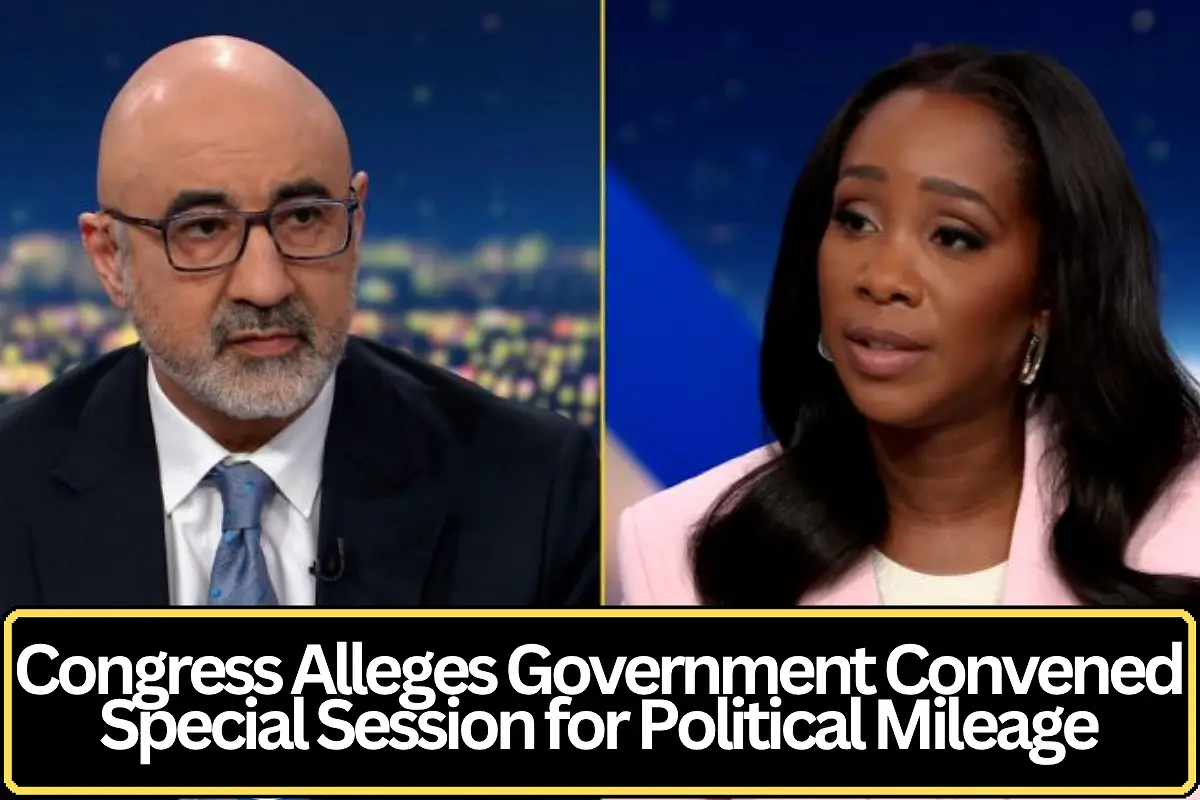
Former Political Prisoner Says Iran Believes Time Is on Its Side Amid Rising Tensions
April 3, 2026 — A former political prisoner in Iran has said that the country’s leadership believes time is working in its favor, offering insight into Tehran’s long-term strategic thinking as tensions in the Middle East continue to escalate.
The remarks come at a time of heightened geopolitical strain involving Iran and global powers, with ongoing concerns over regional conflicts, economic sanctions, and military posturing. The former detainee, speaking in a televised interview, suggested that Iran’s leadership is relying on patience and endurance rather than immediate confrontation.
Strategic Patience at the Core
According to the former prisoner, Iranian authorities view current pressures—including sanctions and diplomatic isolation—as temporary challenges that can be weathered over time. The leadership, he said, believes that shifting global dynamics will eventually tilt in their favor.
This approach reflects a broader strategy often described by analysts as “strategic patience,” where Iran avoids direct escalation while continuing to strengthen its regional influence and domestic resilience.
Officials in Tehran have not publicly commented on the individual’s statements, but similar themes have been echoed in past speeches by Iranian leaders, who frequently emphasize resistance and self-reliance in the face of external pressure.
Context of Rising Regional Tensions
The comments come amid escalating tensions in the Middle East, including concerns over potential military conflict, disruptions in global energy markets, and shifting alliances among regional and international actors.
Recent developments have drawn attention to Iran’s role in regional conflicts and its relationships with allied groups across the Middle East. These dynamics have contributed to growing uncertainty about the possibility of wider confrontation.
At the same time, diplomatic efforts to ease tensions have faced significant challenges, with negotiations often stalling over key issues such as nuclear activity, sanctions relief, and regional security arrangements.
Economic Pressures and Domestic Impact
Iran has faced sustained economic pressure due to international sanctions, which have affected key sectors including oil exports, banking, and trade. These measures have contributed to inflation, currency depreciation, and broader economic strain within the country.
Despite these challenges, the former political prisoner argued that Iranian authorities believe they can withstand economic hardship longer than their adversaries expect. He suggested that this confidence is rooted in past experiences of enduring sanctions and isolation.
Analysts note that while sanctions have imposed significant costs, they have also led Iran to develop alternative economic strategies, including increased domestic production and closer ties with non-Western partners.
Internal Political Dynamics
The interview also touched on internal political conditions within Iran, including restrictions on dissent and the treatment of political prisoners. The former detainee described a system that prioritizes stability and control, often at the expense of political freedoms.
Human rights organizations have long raised concerns about the detention of political activists, journalists, and critics in Iran. These issues continue to be a point of contention in the country’s relations with Western governments.
The individual’s perspective provides a rare glimpse into both the internal environment and the broader strategic outlook of the Iranian leadership, though it represents a personal account rather than an official position.
Global Reactions and Concerns
The suggestion that Iran is adopting a long-term approach to current tensions has implications for global diplomacy and security. If Tehran is indeed focused on waiting out its adversaries, efforts to achieve quick resolutions may face additional obstacles.
Western officials have repeatedly called for Iran to engage in constructive dialogue and comply with international agreements. However, progress has been uneven, with periods of negotiation followed by renewed tensions.
Regional actors have also expressed concern about Iran’s activities, particularly in conflict zones where its influence is seen as a factor in ongoing instability. These concerns have contributed to a complex and often volatile security environment.
Shifting Global Dynamics
One factor underpinning Iran’s apparent confidence is the changing global landscape. The emergence of new economic and political alignments has created opportunities for countries facing Western sanctions to diversify their partnerships.
Iran has sought to strengthen ties with countries in Asia, as well as deepen its involvement in regional economic initiatives. These efforts are seen as part of a broader strategy to reduce reliance on traditional Western markets and institutions.
The former political prisoner suggested that Iranian leaders believe these shifts will gradually weaken the effectiveness of sanctions and increase their strategic leverage.
Challenges to the Strategy
Despite this outlook, Iran’s approach is not without risks. Prolonged tensions can lead to miscalculations or unintended escalation, particularly in a region already marked by conflict and uncertainty.
Economic pressures also continue to affect ordinary citizens, raising questions about the sustainability of long-term resistance. Public dissatisfaction over economic conditions and political restrictions has surfaced periodically in protests and demonstrations.
Experts note that while strategic patience can be effective in certain contexts, it requires careful management to avoid internal instability and external confrontation.
Outlook for Diplomacy
The comments highlight the challenges facing diplomatic efforts to address tensions involving Iran. If the country’s leadership is committed to a long-term strategy, negotiations may require a different approach that takes into account this perspective.
Some analysts argue that building trust and offering incremental incentives could be more effective than relying solely on pressure. Others maintain that maintaining a firm stance is necessary to address security concerns.
The path forward remains uncertain, with multiple factors—including regional developments, domestic politics, and global economic conditions—likely to influence the trajectory of events.
Conclusion
The assertion that Iran believes time is on its side underscores the complexity of the current geopolitical landscape and the challenges of resolving longstanding tensions.
Current Status
The situation remains fluid, with diplomatic efforts ongoing and regional tensions continuing to shape the strategic calculations of all parties involved.