France Marks International Women’s Day with Nationwide Protests Against Gender Inequality
Thousands of people marched across France on International Women’s Day, calling for stronger action on gender equality, better wages, and stronger protections against violence toward women.
 SANJANA DUTTA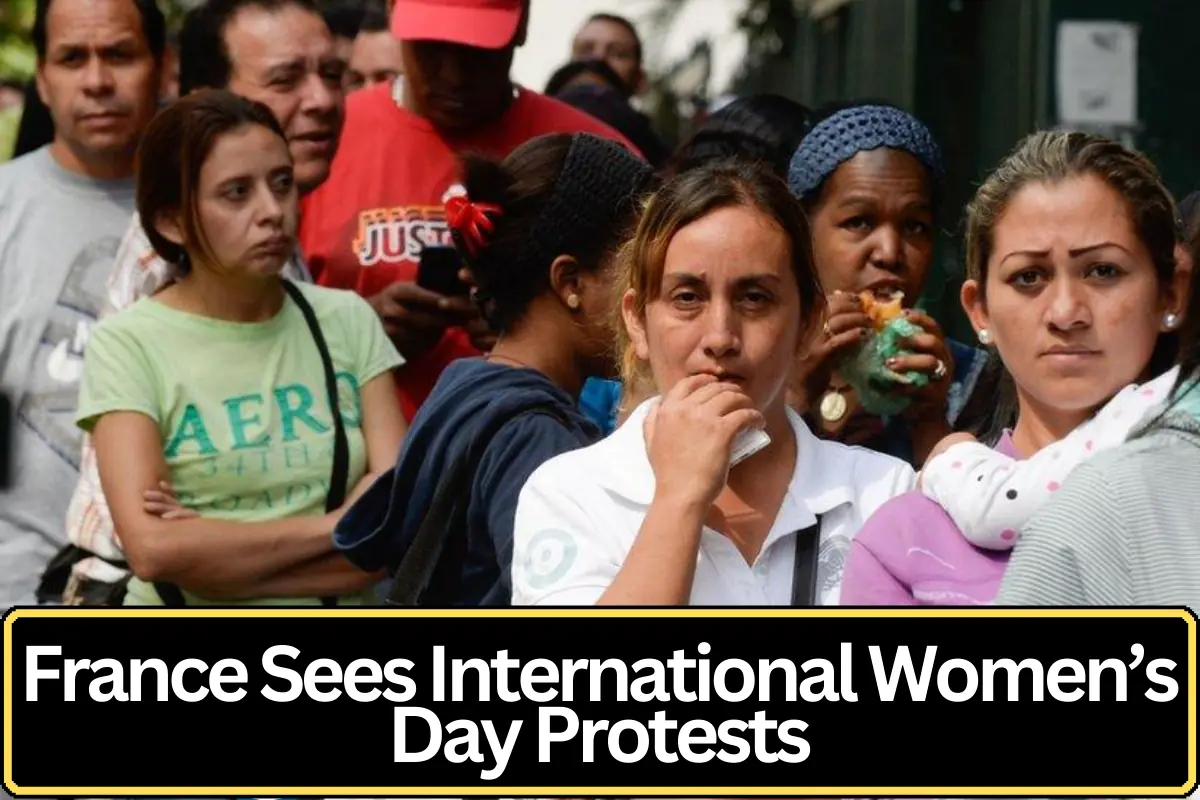
Large Demonstrations Held Across France on International Women’s Day
Thousands of demonstrators gathered in cities across France to mark International Women’s Day, calling for stronger action to address gender inequality, wage gaps, and violence against women. Protesters took to the streets in major urban centers including Paris, Lyon, Marseille, and Toulouse, highlighting ongoing concerns about women’s rights and the need for more comprehensive policies aimed at achieving equality.
The demonstrations were organized by a broad coalition of labor unions, feminist organizations, civil society groups, and advocacy networks. Participants carried banners and placards demanding equal pay, better workplace protections, and stronger measures to combat domestic violence and harassment.
International Women’s Day, celebrated annually on March 8, has long served as a global platform for raising awareness about gender equality issues and advocating for women’s rights. In France, the day has increasingly become an opportunity for activists and citizens to highlight persistent social and economic inequalities affecting women.
Focus on Gender Pay Gap and Workplace Equality
One of the central themes of this year’s demonstrations was the gender pay gap. Activists argued that despite progress in recent decades, women in France still earn less than men on average, particularly in certain industries and senior leadership roles.
Trade unions and labor rights organizations emphasized that structural inequalities within the labor market continue to affect women’s career advancement, income levels, and long‑term financial security. Protesters called for stronger enforcement of equal pay legislation and more transparency in corporate pay structures.
Many demonstrators also highlighted the challenges faced by women working in sectors such as healthcare, education, and retail, where large numbers of employees are female but wages and job security often remain limited.
Calls for Structural Economic Reform
Advocacy groups argued that closing the gender pay gap requires structural reforms in the labor market. These include stronger maternity and parental leave policies, expanded childcare services, and greater opportunities for women to enter higher‑paying sectors such as technology and engineering.
Organizers also urged companies to increase female representation in leadership positions, noting that diverse leadership can help address workplace inequality and foster more inclusive decision‑making.
Concerns About Violence Against Women
Another key issue raised during the protests was violence against women. Demonstrators called for stronger measures to prevent domestic abuse, sexual harassment, and gender‑based violence.
Activists argued that while France has introduced policies aimed at protecting victims, additional resources and enforcement mechanisms are needed to ensure that victims receive timely support and that perpetrators are held accountable.
Several advocacy organizations highlighted statistics indicating that domestic violence remains a serious issue across many parts of the country. Protesters emphasized the need for increased funding for shelters, counseling services, and emergency support programs for victims.
Role of Education and Awareness
Participants in the demonstrations stressed that addressing gender‑based violence requires long‑term cultural change as well as legal reforms. Educational initiatives aimed at promoting respect, equality, and healthy relationships were widely discussed as essential tools for preventing abuse.
Schools, universities, and community organizations have increasingly been encouraged to incorporate programs that promote gender equality and challenge stereotypes that contribute to discrimination and violence.
Youth and Student Participation in Demonstrations
Students and young activists formed a significant portion of the crowds at many of the demonstrations. Youth groups have become increasingly active in advocating for gender equality, particularly on issues related to workplace discrimination, reproductive rights, and social justice.
Many young participants described the demonstrations as an opportunity to express solidarity with women across the world and to demand faster progress toward equality.
Student organizations emphasized that younger generations expect governments and institutions to take stronger action to address inequality and ensure equal opportunities for women in all areas of society.
Intersectional Approach to Women’s Rights
Several advocacy groups emphasized the importance of an intersectional approach to gender equality. This perspective recognizes that women may face overlapping forms of discrimination based on factors such as race, socioeconomic status, disability, or immigration background.
Protesters argued that policies aimed at improving women’s rights must address these multiple dimensions of inequality in order to create lasting change.
Government Response and Policy Debates
French government officials have acknowledged the importance of addressing gender inequality and have introduced a range of policies in recent years aimed at improving women’s rights and economic opportunities.
These measures include initiatives to promote pay transparency, strengthen protections against workplace harassment, and support victims of domestic violence. However, activists argue that additional action is necessary to close persistent gaps and ensure that existing laws are effectively enforced.
The demonstrations have renewed public debate about how governments, businesses, and civil society organizations can work together to advance gender equality and protect women’s rights.
International Women’s Day and Global Solidarity
The protests in France were part of a broader wave of events and demonstrations taking place around the world to mark International Women’s Day. From Europe to Latin America and Asia, millions of people participate in marches, conferences, and community activities that highlight the ongoing struggle for gender equality.
International Women’s Day has evolved over the decades from a labor movement initiative into a global celebration of women’s achievements as well as a platform for addressing continuing challenges.
Advocates emphasize that while progress has been made in many areas, significant work remains to ensure equal opportunities, safety, and representation for women in all parts of society.
The Role of Civil Society
Civil society organizations play a critical role in advancing women’s rights by raising awareness, advocating policy reforms, and providing support services to those affected by discrimination or violence.
In France, feminist organizations and community groups have been instrumental in pushing for legislative reforms and maintaining public attention on issues affecting women.
These organizations often collaborate with international networks, highlighting the global nature of the struggle for gender equality and the importance of solidarity across borders.
Looking Ahead: The Continuing Fight for Equality
The demonstrations across France illustrate that gender equality remains a major social and political issue. Activists say the large turnout reflects widespread public support for stronger action to address inequalities affecting women.
While many participants celebrated the achievements of women in areas such as politics, business, science, and culture, they also emphasized that meaningful equality requires sustained commitment from governments, institutions, and individuals.
Protesters expressed hope that the momentum generated by the International Women’s Day demonstrations will lead to concrete policy changes and continued public engagement with issues affecting women.
As the global movement for women’s rights continues to evolve, events such as these demonstrations highlight the importance of collective action in pushing for progress and ensuring that gender equality remains at the forefront of public debate.