Geopolitical Tensions in West Asia Trigger Decline in India’s Medical Tourism Sector
Rising geopolitical instability in West Asia is causing a noticeable decline in medical tourism to India as fewer patients from the region travel for treatment, affecting hospitals and healthcare providers that depend on international patients.
 Akanksha jain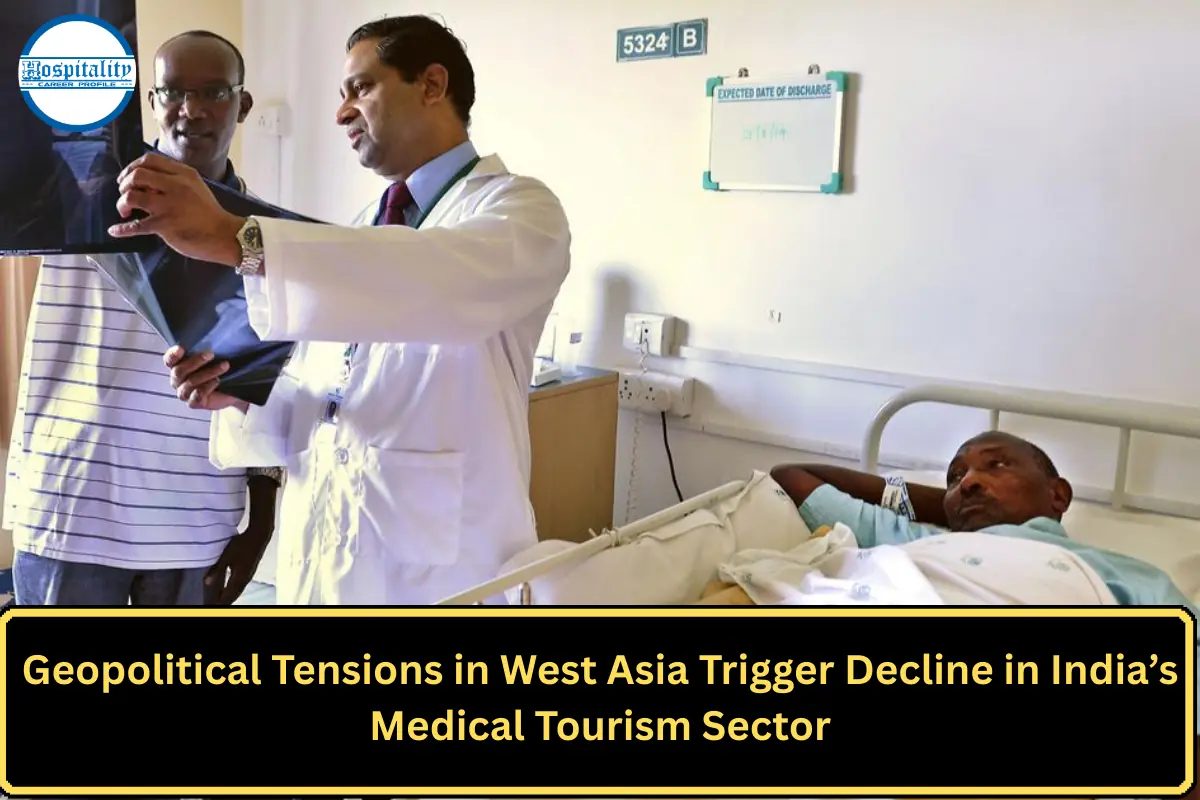
Geopolitical Instability Impacts Medical Tourism to India
India’s medical tourism sector is witnessing a slowdown as geopolitical tensions and instability in parts of West Asia reduce the number of international patients traveling to the country for treatment. Hospitals and healthcare facilitators that depend on patients from the Middle East and neighboring regions have reported a noticeable decline in inquiries and medical travel bookings in recent months.
Industry observers say the downturn is largely linked to uncertainty created by ongoing regional conflicts and political tensions, which have disrupted travel plans and made patients hesitant to travel abroad for medical procedures. West Asia has traditionally been one of the largest sources of international patients seeking healthcare services in India.
Healthcare providers that specialize in medical tourism say the situation has affected several major hospital networks and medical travel agencies that cater to overseas patients seeking specialized treatment in India.
India’s Position in Global Medical Tourism
India has emerged over the past two decades as one of the world’s leading destinations for medical tourism. International patients travel to the country for a wide range of treatments, including cardiac surgery, orthopedic procedures, oncology care, organ transplants, and advanced diagnostic services.
The country attracts patients due to its combination of relatively affordable treatment costs, internationally trained medical professionals, and hospitals equipped with advanced medical technologies. Many healthcare institutions in major cities have developed dedicated international patient departments to support visitors from overseas.
Patients from countries in West Asia, Africa, South Asia, and parts of Europe frequently travel to India for treatment that may be expensive or less accessible in their home countries. Hospitals often provide additional services such as travel assistance, interpreter support, and accommodation arrangements to facilitate medical travel.
West Asia has historically represented one of the largest sources of international medical travelers to India, particularly for complex surgeries and long-term treatment programs.
Impact of Regional Tensions on Healthcare Travel
Geopolitical instability in parts of West Asia has affected travel patterns across multiple sectors, including tourism, business travel, and medical tourism. Ongoing political tensions and security concerns have led to disruptions in travel plans, visa processes, and flight connectivity in some areas.
Medical tourism operators say such disruptions often have immediate consequences because international patients typically schedule procedures months in advance. Any uncertainty related to travel restrictions or regional security conditions can lead to cancellations or postponements of medical trips.
Healthcare providers also note that families accompanying patients may be reluctant to undertake long-distance travel during periods of instability, especially when treatment requires extended hospital stays or post-operative follow-up visits.
Industry representatives say the slowdown in patient arrivals from West Asia has been noticeable in recent months, particularly for elective procedures that can be postponed.
Economic Importance of Medical Tourism
Medical tourism represents an important component of India’s healthcare economy. International patients contribute significantly to hospital revenues, particularly in private healthcare institutions that specialize in complex surgical procedures and advanced treatments.
In addition to hospital services, medical tourism supports a wider ecosystem that includes travel agencies, hotel accommodations, transport services, and specialized healthcare facilitators. The sector also generates employment opportunities across the healthcare and tourism industries.
Patients traveling to India for treatment often combine medical care with recovery periods in hospitality facilities or wellness centers, contributing to local economies in cities known for their healthcare infrastructure.
Industry estimates suggest that medical tourism has played a key role in positioning India as a global healthcare destination, attracting patients from dozens of countries each year.
Hospitals Adjust Strategies Amid Declining Patient Flow
Hospitals that rely heavily on international patients are adjusting their strategies to address the current slowdown. Some institutions are increasing outreach efforts in other regions such as Africa, Central Asia, and Southeast Asia to diversify their international patient base.
Healthcare providers are also expanding digital consultation services to maintain communication with overseas patients who may delay travel but still seek medical advice from Indian specialists. Virtual consultations and telemedicine platforms allow doctors to assess patient conditions and provide treatment guidance remotely.
Medical tourism facilitators say these strategies may help maintain international engagement until travel conditions stabilize in affected regions.
Hospitals are also strengthening partnerships with international insurance providers and government health programs in various countries to support patient referrals.
Government Efforts to Support Medical Tourism
The Indian government has been promoting the country as a global hub for medical tourism through initiatives designed to simplify travel procedures and enhance healthcare infrastructure. Special medical visas and streamlined documentation processes have been introduced to make it easier for international patients to receive treatment in India.
Authorities have also promoted collaborations between healthcare providers and tourism agencies to develop integrated services for visiting patients. These efforts aim to ensure that medical travelers experience efficient care and logistical support throughout their treatment journey.
Industry groups say that maintaining strong international patient flows requires stable geopolitical conditions and reliable travel connectivity. When regional tensions disrupt travel patterns, healthcare providers may face short-term declines in foreign patient numbers.
Officials continue to emphasize the importance of maintaining India’s reputation as a safe and accessible healthcare destination for international patients.
Broader Challenges Facing Global Medical Tourism
Medical tourism worldwide can be sensitive to global political and economic developments. Factors such as international conflicts, travel restrictions, currency fluctuations, and public health concerns can influence patients’ decisions about traveling abroad for treatment.
Healthcare travel typically involves significant planning, financial commitments, and coordination between patients, doctors, and hospitals. Any uncertainty that affects cross-border mobility can lead to postponements or changes in treatment destinations.
Industry analysts say diversification of patient markets is an important strategy for healthcare providers seeking to reduce dependence on any single region. Expanding outreach to new international markets may help stabilize demand during periods of geopolitical uncertainty.
Many hospitals in India have already begun exploring partnerships with international healthcare networks to strengthen global patient referral systems.
Future Outlook for India’s Medical Tourism Sector
Despite the current slowdown, healthcare experts believe that India’s medical tourism sector remains fundamentally strong due to its established medical infrastructure and competitive treatment costs. Hospitals across the country continue to invest in advanced technologies, specialized training, and international accreditation standards.
Industry leaders expect that patient flows may recover once geopolitical tensions ease and international travel conditions stabilize. Historically, medical tourism demand has rebounded after periods of disruption when travel confidence returns.
Healthcare providers say continued investment in quality care, patient safety, and international outreach will remain essential for sustaining India’s position as a leading global healthcare destination.
For now, hospitals and medical tourism operators are closely monitoring developments in West Asia while adapting their strategies to manage the impact of declining patient arrivals from the region.