Global Pressure Fails to Halt Israel’s Ongoing Policies Toward Palestinians
Despite sustained international criticism and diplomatic pressure, Israel’s policies toward Palestinians continue largely unchanged, raising questions about the effectiveness of global response mechanisms.
 SANJANA DUTTA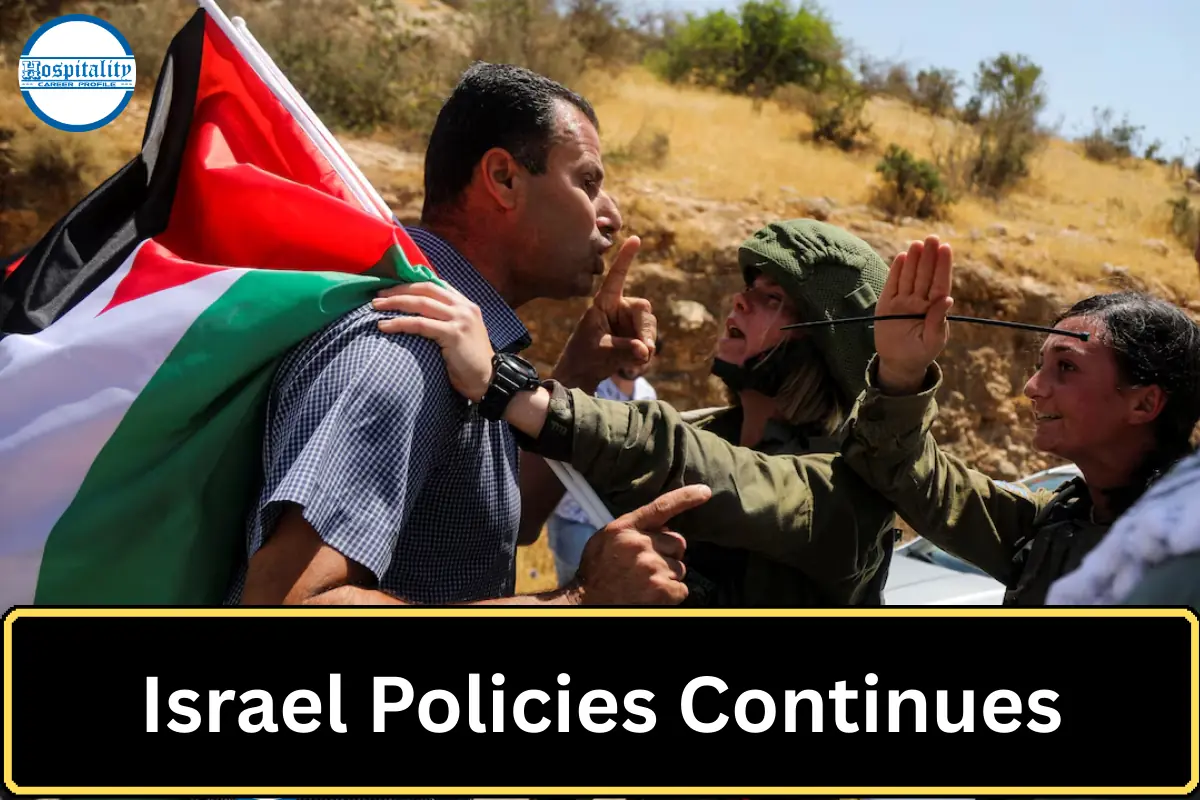
International Pressure Continues With Limited Impact
Despite years of diplomatic statements, resolutions, and international concern, global pressure has done little to alter Israel’s policies toward Palestinians. Governments, international organisations, and advocacy groups have repeatedly expressed alarm over conditions in the occupied territories, yet policy direction on the ground has remained largely consistent.
The ongoing situation highlights a persistent gap between international rhetoric and practical outcomes. While public criticism and formal condemnations continue, tangible shifts in policy have been limited, raising broader questions about the effectiveness of global diplomatic tools in addressing long-standing conflicts.
A Pattern of Condemnation Without Consequence
International responses to Israeli actions affecting Palestinians have followed a familiar pattern. Statements expressing concern are often followed by calls for restraint, dialogue, or adherence to international law. However, these responses rarely translate into enforceable measures capable of influencing policy decisions.
Over time, this cycle has contributed to growing frustration among observers who argue that symbolic pressure, without meaningful consequences, has little deterrent effect. Critics note that repeated expressions of concern may even lose their impact when not supported by concrete action.
Domestic Political Factors Driving Policy Continuity
One of the key reasons global pressure has had limited effect lies in Israel’s domestic political landscape. Security considerations, internal political alliances, and electoral dynamics continue to shape decision-making. Policies toward Palestinians are often framed domestically as matters of national security and sovereignty, limiting the influence of external criticism.
Political leaders face strong internal incentives to maintain existing approaches, particularly when such policies resonate with key voter blocs. In this environment, international pressure is frequently portrayed as external interference rather than constructive engagement.
Security Narratives and Public Opinion
Security remains a dominant theme in public discourse. Government messaging frequently emphasises threats, instability, and regional hostility, reinforcing public support for strict measures. This framing makes it politically difficult for leaders to adopt policies perceived as concessions, regardless of international opinion.
As a result, external criticism often has minimal resonance within domestic debates, further reducing its practical impact.
Fragmented International Response
Another factor limiting effectiveness is the lack of a unified international approach. While many countries express concern, differences in political priorities, strategic alliances, and regional interests result in fragmented responses.
Some governments prioritise diplomatic relationships, security cooperation, or economic ties, leading to cautious or muted criticism. Others take a more vocal stance but lack the influence or leverage to drive change independently.
Inconsistent Use of Diplomatic Leverage
International mechanisms such as sanctions, trade measures, or diplomatic restrictions are rarely applied in a consistent or coordinated manner. Without broad alignment, such tools lose much of their potential impact.
This inconsistency reinforces perceptions that international pressure is largely symbolic, reducing its credibility as a driver of policy change.
Conditions on the Ground Remain Largely Unchanged
For Palestinians, the limited impact of global pressure is reflected in daily realities. Issues such as movement restrictions, settlement expansion, access to resources, and economic constraints persist. While specific circumstances vary by location, overall conditions have shown little sustained improvement.
Humanitarian organisations continue to report challenges related to access, livelihoods, and basic services. These conditions underscore the disconnect between international concern and lived experience.
Diplomatic Language Versus Practical Outcomes
Diplomatic engagement often relies on carefully worded statements aimed at maintaining dialogue while avoiding escalation. While such language may preserve diplomatic channels, it rarely compels policy shifts in the absence of follow-through.
Observers argue that repeated calls for restraint or negotiations, without addressing power imbalances or enforcement mechanisms, are insufficient to influence outcomes.
The Limits of Statements and Resolutions
International resolutions and declarations play an important role in establishing norms and documenting concerns. However, when not backed by enforcement, they risk becoming procedural formalities rather than catalysts for change.
This dynamic has contributed to scepticism about the ability of existing international frameworks to address entrenched conflicts.
Regional and Global Strategic Calculations
Israel’s regional position and strategic partnerships also shape the international response. Alliances, security cooperation, and shared regional interests often take precedence over human rights considerations in foreign policy decision-making.
In a global environment marked by shifting power dynamics and competing crises, sustained focus on the Palestinian issue can wane, reducing pressure over time.
Palestinian Political Fragmentation
Internal Palestinian political divisions further complicate international engagement. Fragmented leadership and competing authorities make it more difficult for external actors to identify clear negotiating partners or unified strategies.
This fragmentation weakens diplomatic efforts and provides additional justification for maintaining existing policies.
Public Advocacy and Civil Society Pressure
Outside government channels, advocacy groups and civil society organisations continue to draw attention to Palestinian conditions. Campaigns, reports, and public demonstrations keep the issue visible, particularly in global media and academic circles.
While these efforts contribute to awareness, their ability to influence policy remains limited without corresponding government action.
Shifting Public Discourse
In some regions, public opinion has become more critical, particularly among younger demographics. This shift has led to increased debate and scrutiny, though it has yet to translate into consistent policy changes at the state level.
The Question of Accountability
At the core of the issue is accountability. Without mechanisms that impose tangible costs for non-compliance with international expectations, pressure remains largely rhetorical.
Analysts argue that accountability requires political will, coordinated action, and a willingness to prioritise long-term stability over short-term strategic interests.
Outlook: Pressure Without Leverage
As global attention continues, the effectiveness of international pressure will depend on whether it evolves beyond statements and symbolic measures. Without leverage, coordination, and enforcement, external influence is likely to remain limited.
For now, Israel’s policies toward Palestinians continue largely unchanged, highlighting the enduring challenge of translating global concern into meaningful action.
Conclusion
The ongoing situation demonstrates the limitations of international pressure when it is not accompanied by consistent and enforceable measures. While global criticism remains widespread, its impact on policy has been minimal.
As the conflict persists, the gap between international expectations and realities on the ground continues to raise questions about the credibility and effectiveness of global diplomatic responses.