GSK Highlights Growing Role of Antibody-Drug Conjugates in Targeted Cancer Treatment
GSK outlines the scientific potential of antibody-drug conjugates (ADCs) in delivering targeted cancer therapies, improving precision and treatment outcomes.
 Akanksha jain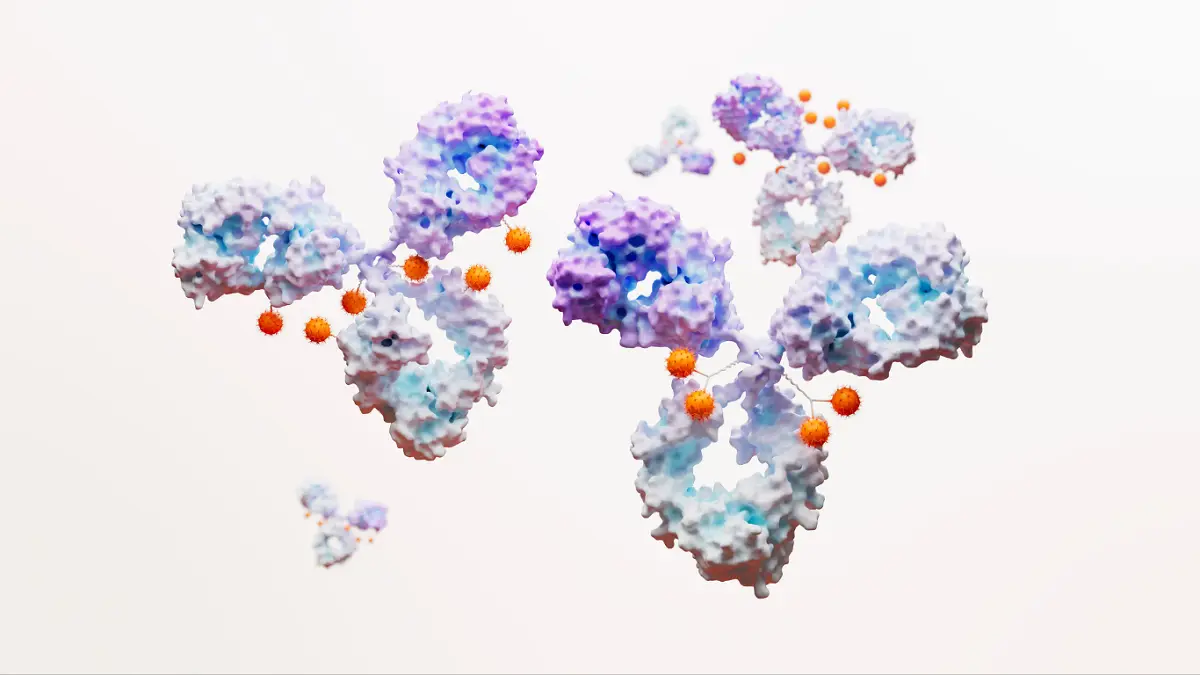
Published: April 2026
GlaxoSmithKline (GSK) has highlighted the growing importance of antibody-drug conjugates (ADCs) in cancer therapy, emphasizing their ability to deliver targeted treatment while reducing damage to healthy cells.
ADCs represent an advanced approach in oncology, combining precision targeting with powerful anti-cancer drugs to improve treatment outcomes and minimize side effects.
Key Takeaways
- ADCs deliver targeted cancer therapy directly to tumor cells
- Combine monoclonal antibodies with cytotoxic drugs
- Reduce damage to healthy tissues compared to chemotherapy
- GSK highlights expanding role in precision oncology
What Are Antibody-Drug Conjugates (ADCs)?
Antibody-drug conjugates (ADCs) are a class of targeted cancer therapies that combine monoclonal antibodies with potent cytotoxic drugs.
They are designed to specifically identify cancer cells and deliver treatment directly to them, improving precision and reducing systemic toxicity.
How Antibody-Drug Conjugates Work in Cancer Therapy
ADCs function through a multi-step mechanism involving targeted binding, internalization, and drug release inside cancer cells.
- The antibody binds to a specific antigen on cancer cells
- The ADC is internalized into the tumor cell
- The cytotoxic drug is released, killing the cancer cells
This targeted delivery allows higher drug concentration at the tumor site while minimizing exposure to healthy tissues.
Advancements in ADC Oncology Research
Advances in tumor biology and drug design have improved ADC stability, targeting accuracy, and therapeutic effectiveness.
Researchers are exploring ADCs across multiple cancer types, including solid tumors and hematological malignancies.
The growing number of ADCs in clinical trials reflects increasing investment and confidence in this treatment approach.
Benefits of ADCs in Cancer Treatment
ADCs offer several advantages over traditional therapies:
- Improved targeting of cancer cells
- Reduced side effects compared to chemotherapy
- Potential effectiveness in treatment-resistant cancers
This makes them a promising option for patients with advanced or difficult-to-treat cancers.
Challenges in ADC Development
Despite their potential, ADCs face challenges such as the following:
- Ensuring stability in the bloodstream
- Selecting appropriate molecular targets
- Managing toxicity and side effects
Manufacturing complexity and regulatory requirements also add to development challenges.
Future Outlook for Targeted Cancer Therapies
The development of ADCs reflects a broader shift toward precision medicine in oncology.
Companies like GSK continue to invest in research to improve ADC effectiveness and expand their use across different cancers.
These therapies are expected to play a key role in the future of cancer treatment.
Conclusion
Antibody-drug conjugates are emerging as a powerful tool in cancer therapy, offering targeted treatment with improved safety and effectiveness.
As research advances, ADCs are likely to become an integral part of modern oncology care.