Study Finds Gut Microbiome May Influence Effectiveness of Cancer Immunotherapy
New research suggests that the gut microbiome may play a key role in determining how well patients respond to cancer immunotherapy treatments.
 Akanksha jain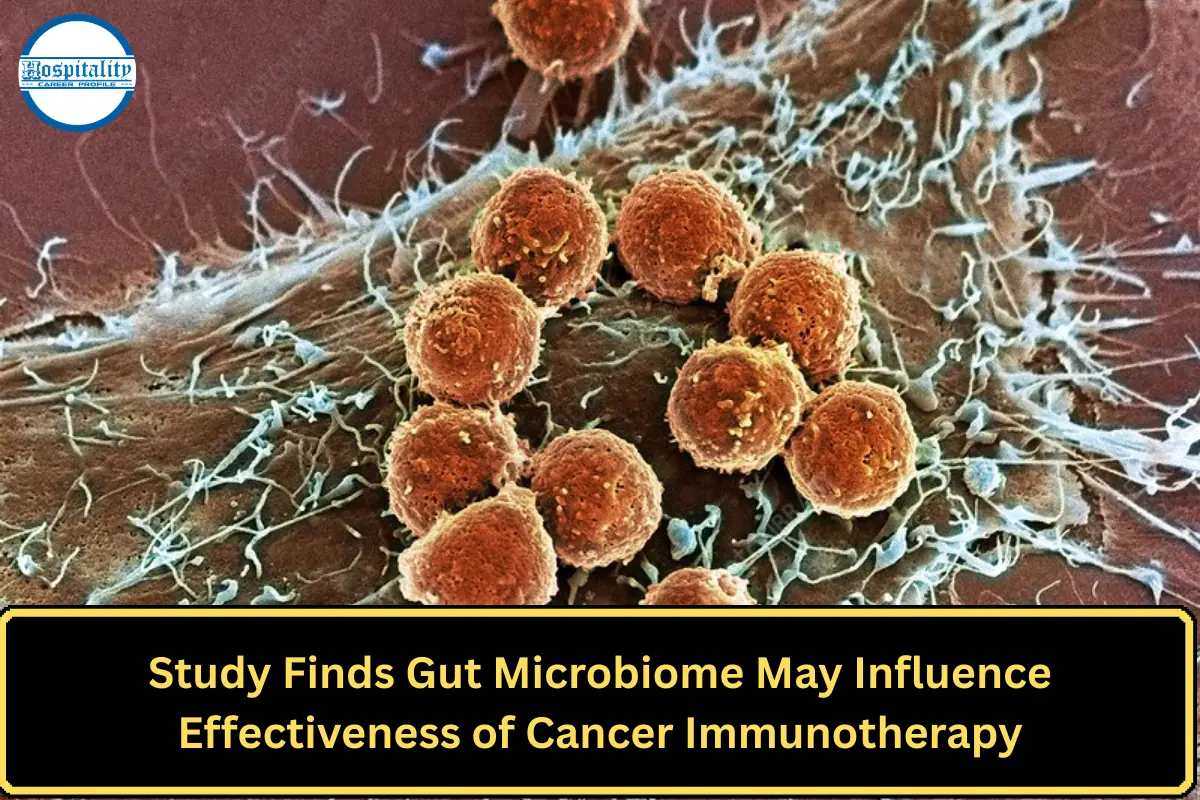
New research suggests that the microorganisms living in the human digestive system may play an important role in determining how patients respond.
Scientists studying the found that the composition of bacteria in the gut could influence the effectiveness of certain immunotherapy treatments used to fight cancer.
The Role of Gut Bacteria in Immunity
The gut microbiome consists of trillions of microorganisms that live in the digestive tract. These microbes play a crucial role in regulating the immune system, metabolism, and overall health.
Researchers say differences in gut bacterial communities may partly explain why some patients respond well to immunotherapy while others experience limited benefits.
Impact on Cancer Treatment
Immunotherapy works by helping the body’s immune system recognize and attack cancer cells. However, treatment responses can vary significantly among patients.
The study found that certain types of beneficial gut bacteria appear to support stronger immune responses, potentially improving the effectiveness of immunotherapy treatments.
Potential for Personalized Medicine:
Scientists believe these findings could lead to new approaches for improving cancer treatment outcomes. In the future, doctors may be able to analyze a patient’s gut microbiome to predict how well they will respond to immunotherapy.
Researchers are also exploring whether modifying the gut microbiome—through diet, probiotics, or other therapies—could enhance treatment effectiveness.
Advancing Cancer Research
Experts say the growing understanding of the relationship between the gut microbiome and the immune system is opening new avenues in cancer research.
Further studies are expected to explore how microbiome‑based strategies could support more personalized and effective cancer therapies.