Record Number of Political Parties Register for Haiti’s First Election in Nearly a Decade
A record number of political parties have registered for Haiti’s first election in nearly a decade, reflecting renewed political activity as the country seeks to restore democratic governance.
 SANJANA DUTTA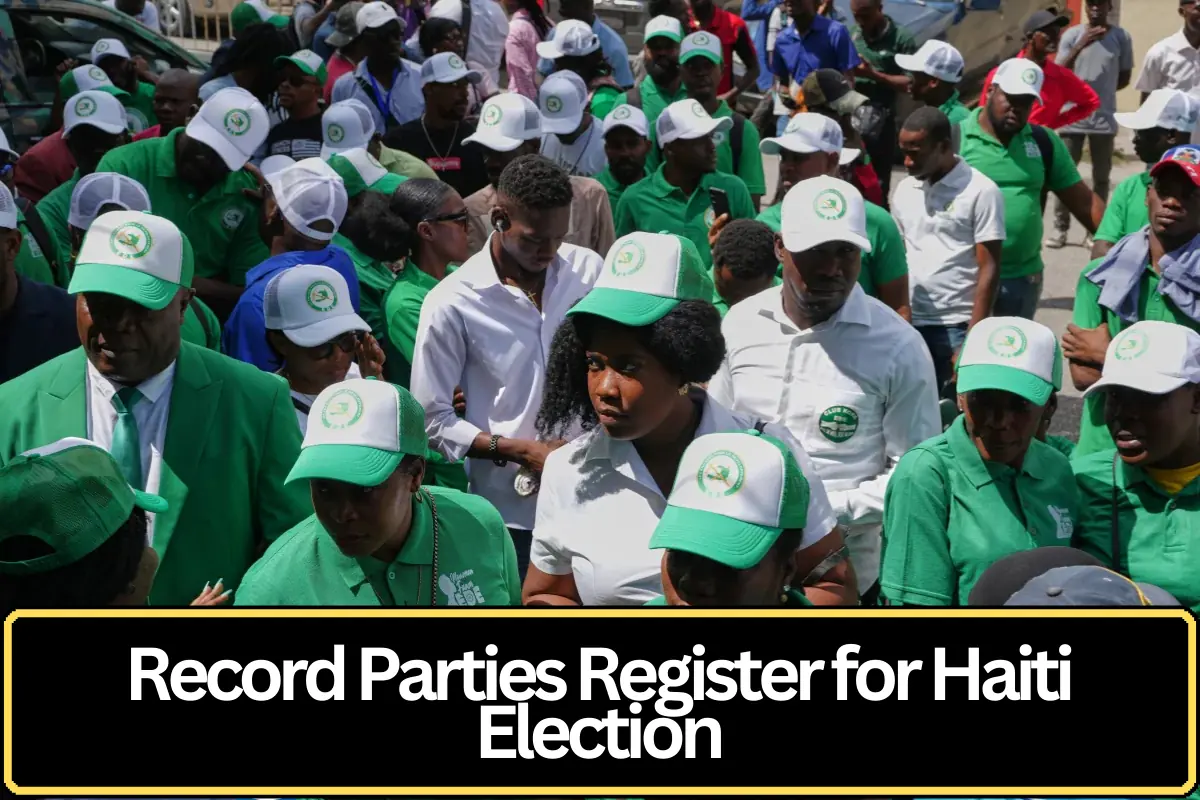
Introduction
Haiti is preparing for its first national election in nearly a decade, and an unprecedented number of political parties have registered to participate. The surge in registrations reflects both renewed political engagement and the complex challenges facing the country as it attempts to restore democratic governance after years of instability.
The upcoming election is widely viewed as a critical step toward rebuilding Haiti’s political institutions. With many citizens eager for change and greater representation, the record number of political parties entering the race illustrates the high level of interest in shaping the nation’s future.
However, the process also highlights the difficulties involved in organizing elections in a country still grappling with security concerns, political divisions, and economic hardships.
First Election in Nearly Ten Years
Haiti has not held a full national election for several years, leaving many key government positions vacant or filled through temporary arrangements. The prolonged absence of elections has contributed to political uncertainty and weakened democratic institutions.
The upcoming vote is expected to mark a significant turning point, allowing citizens to choose their representatives and potentially restore a functioning legislative system.
Officials and international observers believe that holding credible elections is essential for stabilizing the country’s political environment and rebuilding public confidence in democratic processes.
Record Political Party Registrations
Authorities have reported a record number of political parties registering to participate in the upcoming election. This surge reflects both political ambition and the desire of different groups to influence Haiti’s future direction.
The large number of parties also illustrates the fragmented nature of Haitian politics. Many parties represent specific political leaders, ideological perspectives, or regional interests.
While this diversity may provide voters with a wide range of choices, it can also make coalition building and governance more complicated after the election.
Political analysts note that managing such a crowded political landscape will be one of the major challenges facing Haiti’s future government.
Background of Haiti’s Political Crisis
Haiti has experienced years of political turmoil that have disrupted democratic processes and weakened government institutions. Leadership disputes, economic instability, and social unrest have contributed to delays in organizing national elections.
In addition to political challenges, the country has faced natural disasters and economic difficulties that have further complicated governance.
The absence of elected officials in key institutions has created governance gaps, making it difficult to implement long-term policies and reforms.
Many citizens see the upcoming election as an opportunity to begin addressing these longstanding issues.
Security Concerns and Electoral Challenges
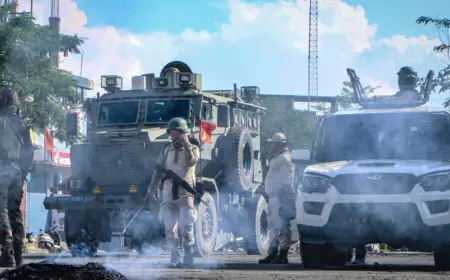
Organizing elections in Haiti presents significant logistical and security challenges. In recent years, armed groups have expanded their influence in certain areas, raising concerns about the safety of voters and election officials.
Authorities are working with international partners to develop plans aimed at ensuring that the election can take place in a secure environment.
Security arrangements, voter registration processes, and ballot distribution will all play critical roles in determining whether the election can proceed smoothly.
Observers emphasize that ensuring safe and fair voting conditions will be essential for maintaining the credibility of the electoral process.
Public Expectations for Political Change
Many Haitians hope that the upcoming election will lead to meaningful political change. After years without a fully functioning democratic system, citizens are eager for leadership that can address pressing social and economic problems.
Issues such as unemployment, inflation, public safety, and access to basic services remain major concerns for the population.
Political candidates are expected to present policies aimed at improving governance, strengthening institutions, and promoting economic recovery.
Voters will likely be evaluating which parties and leaders offer realistic solutions to the country’s ongoing challenges.
Role of International Community
The international community has closely followed Haiti’s political developments and has encouraged efforts to restore democratic governance through elections.
International organizations and foreign governments have expressed support for initiatives that promote transparent and credible electoral processes.
In some cases, external partners have provided technical assistance, election monitoring, and logistical support to help ensure that the vote is conducted fairly.
Such involvement reflects the global interest in promoting stability and democratic governance in Haiti.
Fragmented Political Landscape
The large number of political parties registering for the election highlights the fragmented nature of Haiti’s political system. Many parties are built around individual leaders or specific political movements rather than long‑established institutions.
This fragmentation can create difficulties in forming stable governments after elections, particularly if no single party gains a clear majority.
Coalition negotiations and political alliances may become necessary to form an effective governing structure.
Political analysts say that cooperation between parties will be essential for addressing national challenges.
Importance of Democratic Institutions
Strong democratic institutions are essential for maintaining political stability and public trust. Elections provide citizens with the opportunity to choose their representatives and hold leaders accountable.
For Haiti, rebuilding these institutions is a critical step toward long‑term stability and development.
Transparent election procedures, independent oversight, and effective governance structures will all play important roles in strengthening the country’s democracy.
Many observers believe that the upcoming vote represents a key moment in Haiti’s political recovery.
Looking Ahead
As preparations continue for the election, authorities face the challenge of ensuring that the process is inclusive, secure, and credible. With so many political parties participating, voters will have a wide range of choices when casting their ballots.
The outcome of the election could reshape Haiti’s political landscape and influence the country’s direction for years to come.
Political leaders, civil society groups, and international observers will be closely watching how the electoral process unfolds.
The success of the election will depend on the ability of institutions to manage the process effectively while maintaining public confidence.
Conclusion
The record number of political parties registering for Haiti’s first election in nearly a decade reflects renewed political activity and widespread interest in shaping the country’s future. At the same time, it highlights the challenges of organizing democratic processes in a complex and fragile environment.
If conducted successfully, the election could represent an important step toward restoring democratic governance and strengthening political institutions in Haiti.
For many citizens, the upcoming vote offers hope for stability, representation, and a new chapter in the nation’s political history.