Study Links Hidden Virus in Gut Bacteria to Increased Colorectal Cancer Risk
Researchers have discovered that a hidden virus living inside gut bacteria may contribute to the development of colorectal cancer, offering new insights into cancer risk and prevention.
 Akanksha jain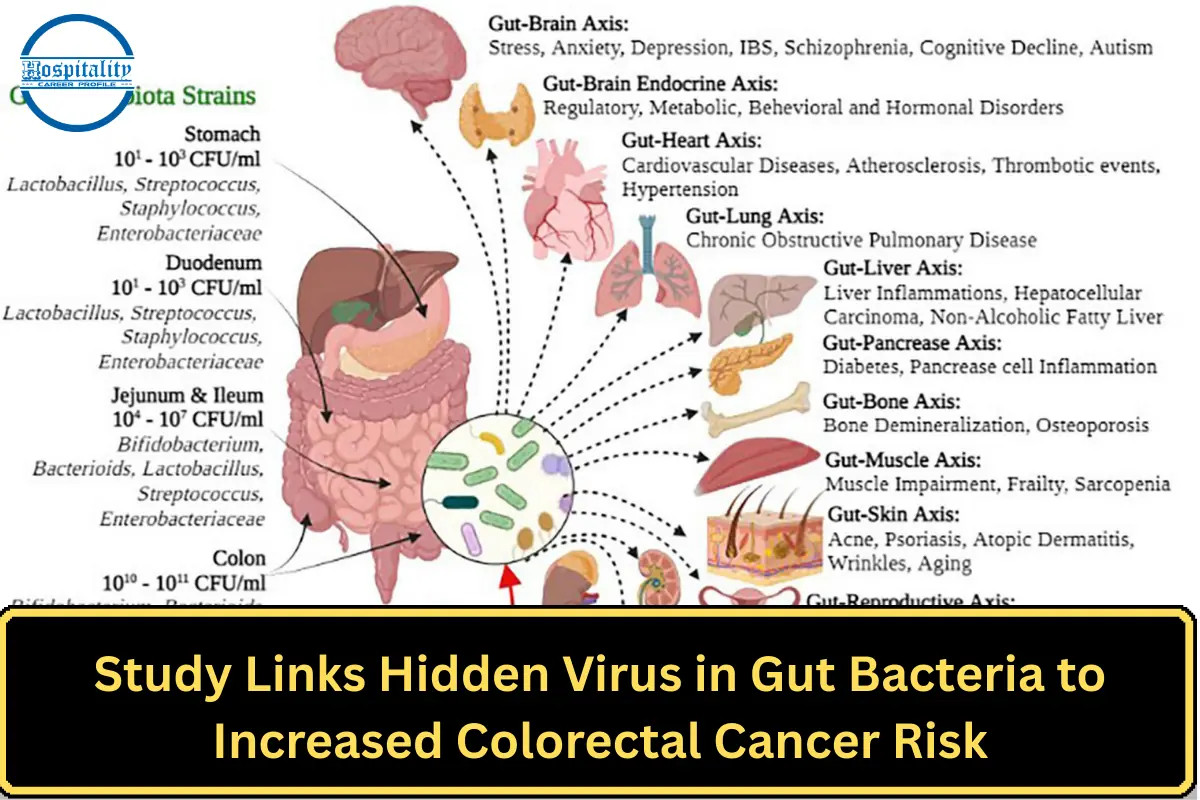
Researchers have identified a previously overlooked virus living inside gut bacteria that may increase the risk of cancer, shedding new light on how microorganisms in the digestive system could influence cancer development.
The discovery focuses on the complex microbial ecosystem of the human digestive tractknown as the. Scientists say viruses that infect bacteria—known as bacteriophages—may alter the behaviour of certain microbes in ways that could promote cancer‑related changes in the colon.
Hidden Viruses Inside Gut Bacteria
Bacteriophages are viruses that infect bacteria and live within microbial communities in the gut. Although they are extremely common, their role in human health remains incompletely understood.
The study suggests that some of these hidden viruses may influence how bacteria interact with human cells, potentially triggering biological processes linked to cancer development.
Impact on Colorectal Cancer Risk
Researchers observed that the presence of the virus within certain gut bacteria appeared to increase the bacteria’s ability to damage DNA or promote inflammation in colon tissues.
Both DNA damage and chronic inflammation are known contributors to the development of colorectal cancer.
New Insight Into the Microbiome–Cancer Connection
The findings highlight how interactions between bacteria, viruses, and human cells may play a role in cancer risk. Scientists say this complex relationship between microbes and disease is an emerging field of research.
Understanding these mechanisms could help researchers identify new biological markers for early detection or develop targeted strategies to reduce cancer risk.
Future Directions for Prevention and Treatment
Experts say the discovery may eventually lead to innovative approaches for preventing colorectal cancer, such as therapies designed to modify the gut microbiome or target harmful microbial interactions.
Further studies are expected to explore how these viral‑bacterial interactions develop and whether they can be safely modified to improve human health.