Hong Kong May Become No.2 Global Financial Hub in 15 Years: Paul Chan
Hong Kong aims to become the world's No. 2 financial hub within 15 years, backed by 3.5% GDP growth, strong exports, and rising investments, says Paul Chan.
 Tripti Srivastava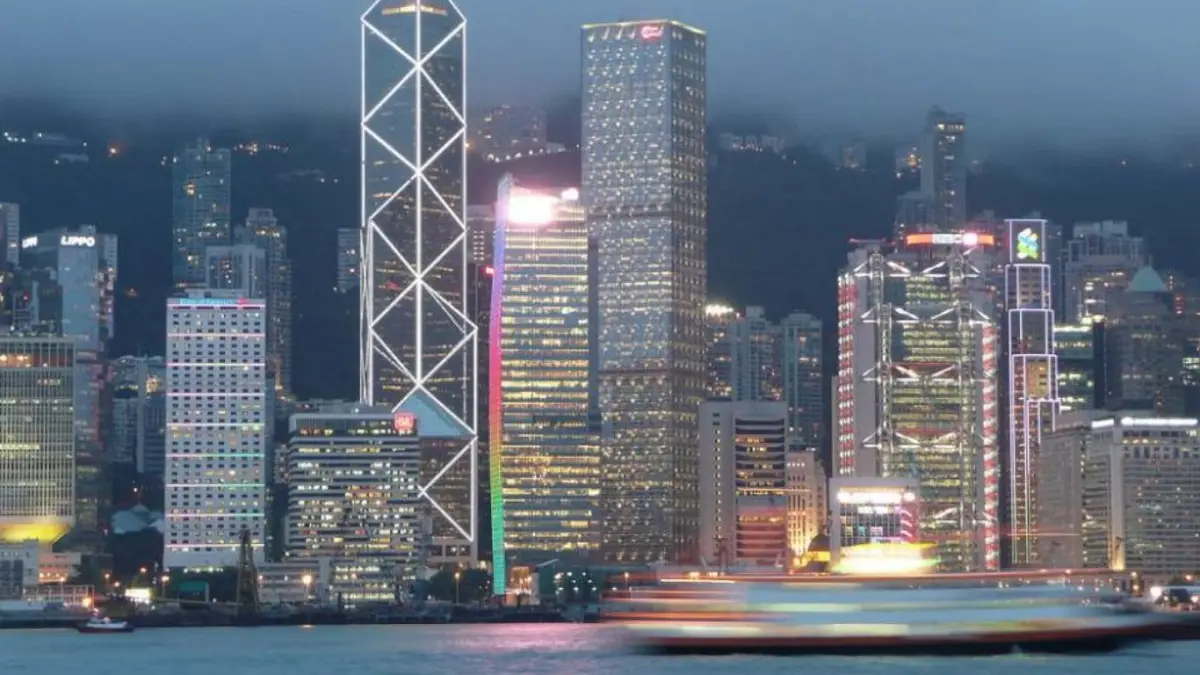
Hong Kong could rise to become the world’s second-largest global financial hub within the next 10 to 15 years, backed by 3.5% economic growth, strong exports, and rising private investment, Financial Secretary Paul Chan said on April 15, according to remarks delivered at an international investment summit.
Speaking at the HSBC Global Investment Summit, Chan expressed confidence that Hong Kong would improve its global standing among international financial centres. The city currently ranks third globally, just behind New York and London, according to the latest Global Financial Centres Index.
Hong Kong scored 756 points in the index, placing it one point behind London and two points below New York. The ranking, compiled by Z/Yen and the China Development Institute, evaluates the competitiveness of 120 financial markets worldwide.
Chan stated that the city’s long-term trajectory would enable it to climb at least one position, supported by its adaptability to shifting geopolitical and economic conditions.
Economic Growth and Export Strength Support Outlook
Hong Kong’s economy expanded by 3.5% last year, reflecting resilience despite global uncertainty. Authorities have projected growth in the range of 2.5% to 3.5% for the current year, indicating stable economic momentum.
Export performance has been a key driver of growth. Merchandise exports rose by more than 20% in the first two months of the year, highlighting strong external demand and trade activity.
In addition to trade, Chan pointed to increasing private sector investment as a critical factor supporting the city’s economic outlook. The combination of domestic investment and external trade flows is reinforcing Hong Kong’s role as a major financial and commercial hub in Asia.
Chan emphasised that Hong Kong’s financial system is underpinned by stability and robust regulatory frameworks designed to manage market volatility. He noted that the city has developed comprehensive market surveillance systems and built buffers within its financial architecture to withstand external shocks.
These measures are particularly important amid ongoing geopolitical tensions and shifting global capital flows. According to Chan, maintaining financial stability is essential to sustaining investor confidence and ensuring long-term growth in the financial sector.
The city also continues to lead in key financial segments, including fintech, banking, and insurance, further strengthening its competitiveness as a global financial centre.
Gateway Role to Mainland China and Global Markets
A central pillar of Hong Kong’s strategy is its role as a gateway between mainland China and international markets. Chan highlighted that the city is facilitating foreign investment into China and supporting mainland companies in expanding globally.
This dual role is expected to become more significant as China advances its 15th five-year development plan for 2026–2030, which prioritises high-quality growth and international expansion of domestic enterprises.
To support this transition, Hong Kong authorities have established a dedicated task force to coordinate efforts across government bodies and industry sectors. The initiative aims to assist mainland companies with overseas expansion, including areas such as fundraising, risk management, and regulatory compliance.
Hong Kong’s positioning as a global financial hub is also supported by its ability to attract international capital and provide a platform for fundraising across Asia. Chan noted that the city offers a stable and prosperous environment for businesses operating in uncertain global conditions.
The government’s strategy focuses on enhancing connectivity with global investors while strengthening its financial ecosystem to support cross-border capital flows. This includes facilitating fundraising activities and providing infrastructure for companies seeking to expand regionally or internationally.
Hong Kong’s continued integration with mainland China’s economic framework, combined with its established financial infrastructure, is expected to reinforce its role in global finance over the coming decade.
As global financial markets evolve, the city’s emphasis on stability, adaptability, and international connectivity positions it to compete with leading financial centres and potentially secure the second spot globally in the years ahead.