Hong Kong Reasserts Safe-Haven Status as Middle East Conflict Shakes Global Markets: SCMP
Hong Kong strengthens its safe-haven appeal amid Middle East turmoil, attracting capital flows, boosting yuan assets demand and challenging Dubai’s financial position.
 Tripti Srivastava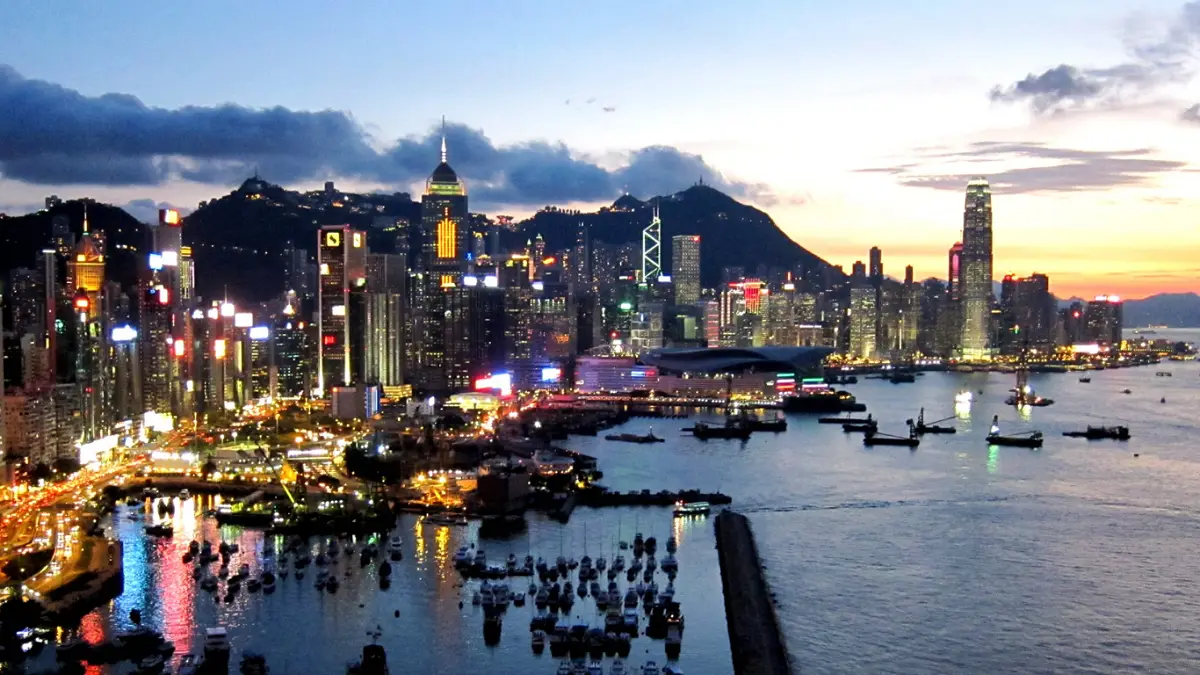
April 20, 2026: Hong Kong is re-emerging as a preferred safe-haven destination for global capital amid heightened geopolitical instability, as the ongoing Middle East conflict drives volatility across energy and financial markets and redirects investment flows toward stable financial centres, according to South China Morning Post (SCMP).
The renewed interest comes as the seven-week conflict involving Iran has triggered sharp swings in global markets, boosting demand for safe-haven assets such as gold, sovereign bonds, and stable financial jurisdictions. Hong Kong has emerged as a key beneficiary, with increased inflows into its capital markets, property sector, and yuan-linked financial products.
Capital Flows Shift Toward Stability
Market participants have reported a noticeable increase in banking activity and investment inquiries directed toward Hong Kong. Financial institutions are expanding their presence in the city, while global investors are exploring greater exposure to mainland Chinese assets through Hong Kong’s financial ecosystem.
According to industry insights, rising interest is not solely driven by risk aversion but also by a reassessment of long-term investment value, policy stability, and growth opportunities tied to China’s economic backing. The city’s role as a gateway to Chinese markets has strengthened its positioning in the current environment.
Hong Kong’s status is further supported by structural advantages including free capital movement, a currency pegged to the US dollar, and robust financial infrastructure, all of which enhance investor confidence during periods of global uncertainty. Temporary disruptions, including the closure of Dubai International Airport and market volatility across the Gulf region, have raised concerns about operational continuity and geographic risk.
Dubai’s economy, heavily reliant on trade, tourism, and finance, has experienced indirect effects from the conflict despite not being a direct target. The uncertainty has led to delays in investment decisions and prompted some financial institutions to reconsider expansion plans in the region.
Hong Kong, by contrast, has benefited from its geographic distance from the conflict zone and its integration with China’s economic system, offering a comparatively stable alternative for global investors.
Strength in Yuan Assets and Financial Markets
Hong Kong’s role as the world’s largest offshore yuan market has further strengthened its appeal. The city holds more than 1.1 trillion yuan (approximately $161 billion) in offshore deposits, positioning it as a central hub for yuan-denominated financial activity.
During the period of conflict, the Chinese yuan appreciated by 0.7% against the US dollar, making it the only Asian currency to strengthen amid the turmoil. At the same time, government bond yields declined while equity markets remained relatively resilient, reinforcing confidence in Chinese assets.
This performance has contributed to increased demand for yuan-linked investment products and expanded opportunities for Hong Kong’s asset management and wealth management sectors. Financial institutions, including global banks, have reported rising client enquiries related to portfolio diversification toward Asian assets.
Several Middle East-based banks have initiated applications to establish operations in Hong Kong, reflecting a shift in regional financial strategies. Additionally, major global institutions are reinforcing their footprint in the city.
The bank plans to increase its corporate banking workforce in Asia by 10% this year, with a longer-term target of expanding headcount by 40% by 2030. Such commitments underline sustained confidence in Hong Kong as a strategic financial hub despite global uncertainties.
Hong Kong’s stock market, valued at approximately $7.4 trillion, remains the third-largest in Asia, further supporting its role as a key destination for capital flows and investment activity.
Gold Trading and Financial Services Expansion
The Hong Kong government is also leveraging current geopolitical conditions to expand its financial services offerings, particularly in gold trading. Authorities are planning to introduce tax incentives, increase storage capacity, and enhance trading infrastructure to strengthen the city’s position in the global gold market.
This initiative directly challenges Dubai’s established role as a global gold trading hub and aligns with broader efforts to diversify Hong Kong’s financial services ecosystem.
In addition to financial services, the city is focusing on building a more diversified global identity, incorporating sectors such as culture, sports, and the arts to enhance its long-term attractiveness.
While the conflict shows early signs of de-escalation, analysts suggest that Hong Kong’s renewed appeal is likely to persist beyond immediate geopolitical developments. The city’s structural strengths, combined with China’s economic support and resilient financial markets, position it as a stable base for global capital in an increasingly uncertain environment.
As investors continue to rebalance portfolios in response to global risks, Hong Kong’s role as a financial safe haven appears to be gaining momentum, reshaping competitive dynamics among leading international financial centres.