Human Rights Watch Urges Vietnam to Release Political Prisoners Requiring Urgent Medical Care
Human Rights Watch is calling on Vietnam to release political prisoners in urgent need of medical care, raising concerns about prison conditions and the health of detainees.
 SANJANA DUTTA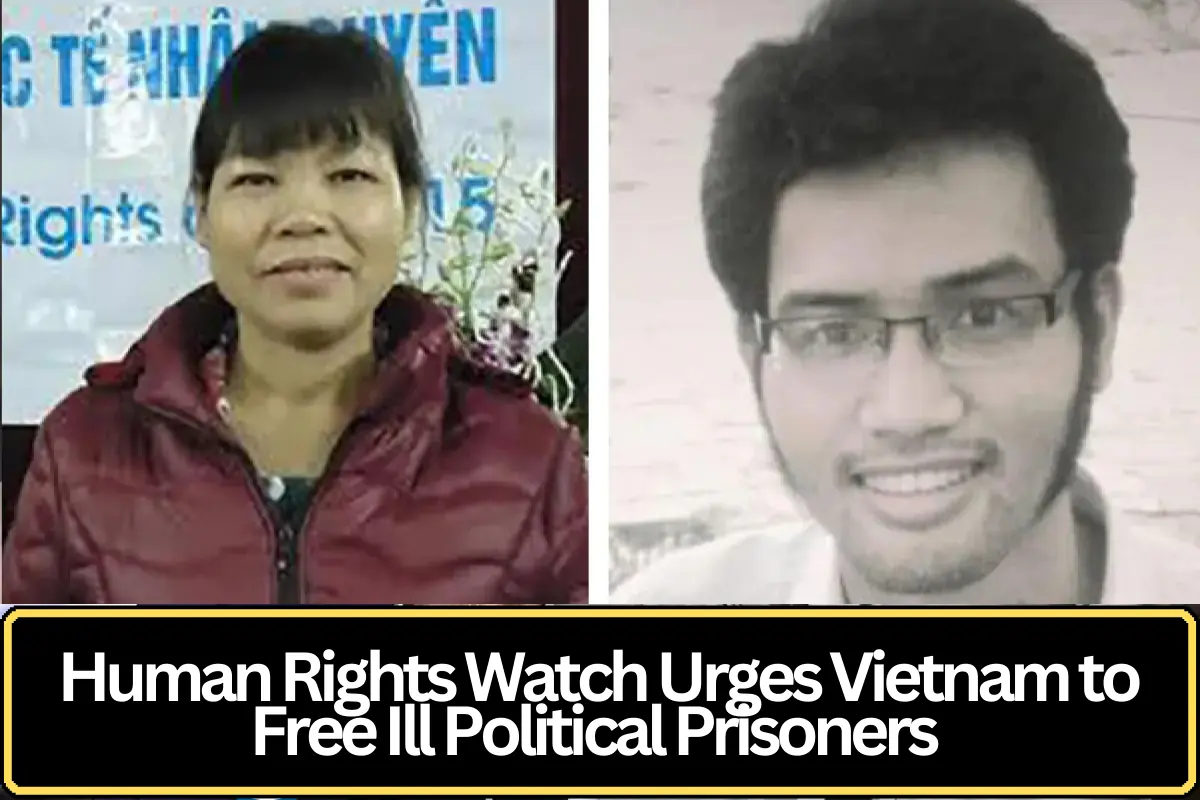
Introduction
Human Rights Watch has called on the Vietnamese government to immediately release several political prisoners who are reportedly suffering from serious health conditions and require urgent medical care. The organization argues that continued detention without adequate treatment could place the prisoners at significant risk and has urged authorities to address humanitarian concerns related to prison healthcare.
The appeal highlights broader concerns about the treatment of political detainees in Vietnam and the responsibilities of governments to ensure adequate medical care for individuals held in custody. Human rights advocates say that access to healthcare is a fundamental right, even for individuals serving prison sentences or awaiting trial.
The situation has drawn international attention as advocacy groups continue to monitor prison conditions and the well-being of detainees who are held for political or activism-related reasons.
Human Rights Watch Raises Medical Concerns
According to Human Rights Watch, several prisoners held in Vietnamese detention facilities are experiencing severe health issues that require specialized treatment. The organization reports that some detainees have chronic illnesses, while others may need medical procedures that cannot be adequately provided in prison environments.
Human rights advocates emphasize that delays in treatment can lead to serious complications, particularly when individuals already suffer from long-term medical conditions. In such cases, timely access to professional healthcare services becomes critical.
The organization has urged Vietnamese authorities to consider humanitarian releases for prisoners whose medical needs cannot be properly addressed while they remain in detention.
Concerns Over Prison Healthcare Systems
Healthcare access within prison systems has long been a subject of debate in many countries. Providing appropriate medical services for detainees requires specialized facilities, trained healthcare professionals, and timely access to external hospitals when necessary.
Advocacy groups argue that prison healthcare systems often struggle to meet these requirements, particularly in facilities where resources are limited. Without sufficient medical infrastructure, detainees with serious illnesses may not receive the treatment they need.
Human Rights Watch has emphasized that governments have legal and ethical obligations to ensure that all individuals in custody receive adequate medical attention. This obligation applies regardless of the nature of the charges against detainees.
Political Prisoners and International Attention
Political prisoners—individuals detained for activities related to political expression, activism, or criticism of government policies—often become the focus of international human rights advocacy. Organizations monitoring civil liberties frequently call for transparency in legal proceedings and humane treatment for detainees.
International human rights groups typically advocate for the release of prisoners whose detention raises concerns about freedom of expression, peaceful activism, or due process protections. In cases where detainees face severe health risks, calls for humanitarian release may intensify.
The issue of political prisoners in Vietnam has periodically drawn attention from global advocacy organizations, which continue to track developments related to civil society and freedom of expression.
The Humanitarian Argument for Medical Release
Humanitarian release refers to the practice of allowing prisoners to leave detention temporarily or permanently due to serious health conditions or humanitarian considerations. In many legal systems, provisions exist that allow authorities to grant such releases when continued detention would create significant health risks.
Human rights organizations argue that humanitarian release is particularly appropriate for detainees who require specialized treatment unavailable within prison facilities. In these situations, the primary concern becomes protecting the health and dignity of the individual.
Advocates note that releasing seriously ill prisoners for medical treatment does not necessarily resolve broader legal or political disputes but instead focuses on addressing immediate humanitarian needs.
International Human Rights Standards
International human rights frameworks emphasize that prisoners must receive healthcare equivalent to that available in the general community. Various international agreements and guidelines outline standards for medical treatment within detention facilities.
These standards highlight the responsibility of governments to ensure timely diagnosis, access to necessary medication, and referral to specialized healthcare providers when required. Failure to provide adequate care can raise concerns about potential violations of human rights obligations.
Human Rights Watch and similar organizations frequently reference these standards when advocating for improved prison conditions and the protection of detainee health.
The Vietnamese Government’s Perspective
Vietnamese authorities have historically maintained that their legal system operates according to national laws and regulations. Government officials often emphasize that individuals detained under Vietnamese law are subject to judicial processes and prison management systems established by the state.
Officials may also argue that prison systems include medical services designed to address the needs of detainees. However, international observers sometimes raise concerns about the adequacy and accessibility of these services.
Debates over prison conditions and detainee treatment therefore often involve differing perspectives between government authorities and international advocacy organizations.
The Broader Debate on Political Freedoms
The issue of political prisoners in Vietnam intersects with broader discussions about freedom of expression, political participation, and civil society activity. Human rights organizations often emphasize the importance of protecting peaceful activism and open political dialogue.
Supporters of stronger civil liberties protections argue that allowing individuals to express opinions or advocate for reforms without fear of imprisonment is essential for democratic governance. Governments, on the other hand, sometimes emphasize the importance of maintaining political stability and enforcing national laws.
This ongoing debate reflects the complex balance between state authority and individual rights that many countries continue to navigate.
The Role of International Advocacy Groups
Organizations such as Human Rights Watch play a prominent role in monitoring global human rights conditions and raising awareness about potential abuses. Through research, reports, and public statements, these groups attempt to bring international attention to situations involving detainee welfare or civil liberties concerns.
Advocacy efforts often include calls for government action, diplomatic engagement, and international dialogue aimed at improving human rights protections. While governments may respond differently to such advocacy, these campaigns contribute to global discussions about accountability and humanitarian responsibility.
In cases involving prisoners with serious medical conditions, advocacy groups often focus on urgent humanitarian solutions that prioritize immediate health concerns.
Looking Ahead
The call by Human Rights Watch for the release of political prisoners requiring medical care is likely to remain part of ongoing discussions about human rights conditions in Vietnam. Observers will continue to monitor whether authorities respond to the appeal and whether improvements are made to prison healthcare systems.
International attention may also encourage broader conversations about detention conditions and medical treatment standards in correctional facilities. Ensuring adequate healthcare for detainees remains a challenge for many prison systems around the world.
Advocates emphasize that addressing humanitarian concerns can serve as an important step toward improving human rights protections while fostering dialogue between governments and international organizations.
Conclusion
The appeal from Human Rights Watch highlights urgent concerns about the health of political prisoners in Vietnam who reportedly require immediate medical care. The organization has urged authorities to consider humanitarian releases for detainees whose medical needs cannot be properly addressed within prison facilities.
While discussions about political prisoners often involve complex legal and political questions, the issue of healthcare introduces a humanitarian dimension that transcends ideological debates. Ensuring that detainees receive adequate medical treatment is widely recognized as a fundamental human rights obligation.
As international attention continues to focus on this issue, the treatment and well-being of prisoners requiring urgent care may remain a central topic in ongoing discussions about human rights protections and prison conditions in Vietnam.